AI Agents
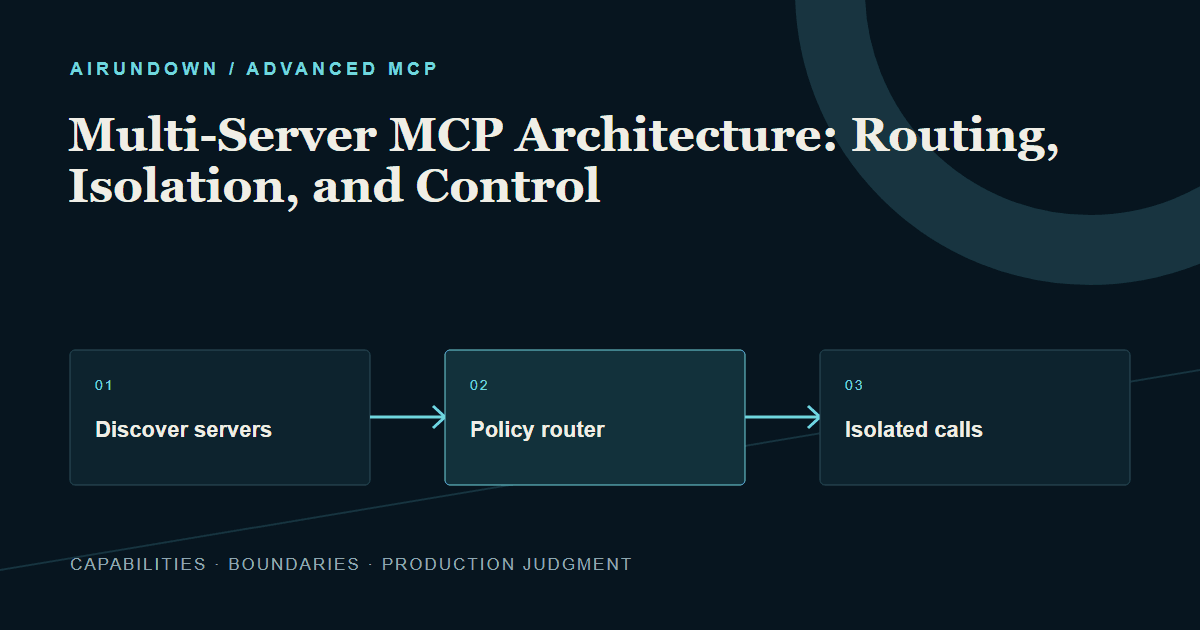
Multi-Server MCP Architecture: Routing, Isolation, and Control
An architecture guide for coordinating multiple MCP servers without creating tool collisions, permission sprawl, or shared failure domains.
Maya Chen4 min read
The latest AI Agents strategic intelligence, original reports, and PM insights for product builders.
An architecture guide for coordinating multiple MCP servers without creating tool collisions, permission sprawl, or shared failure domains.
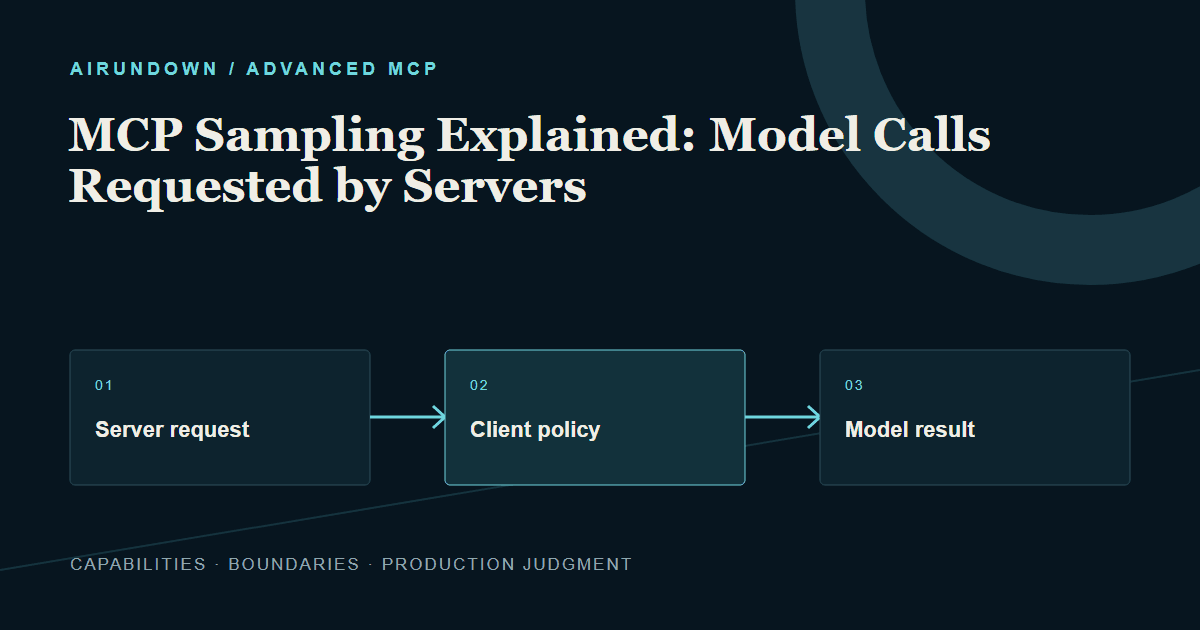
A practical explanation of MCP sampling, including message flow, model preferences, tool use, approvals, security, and current design status.
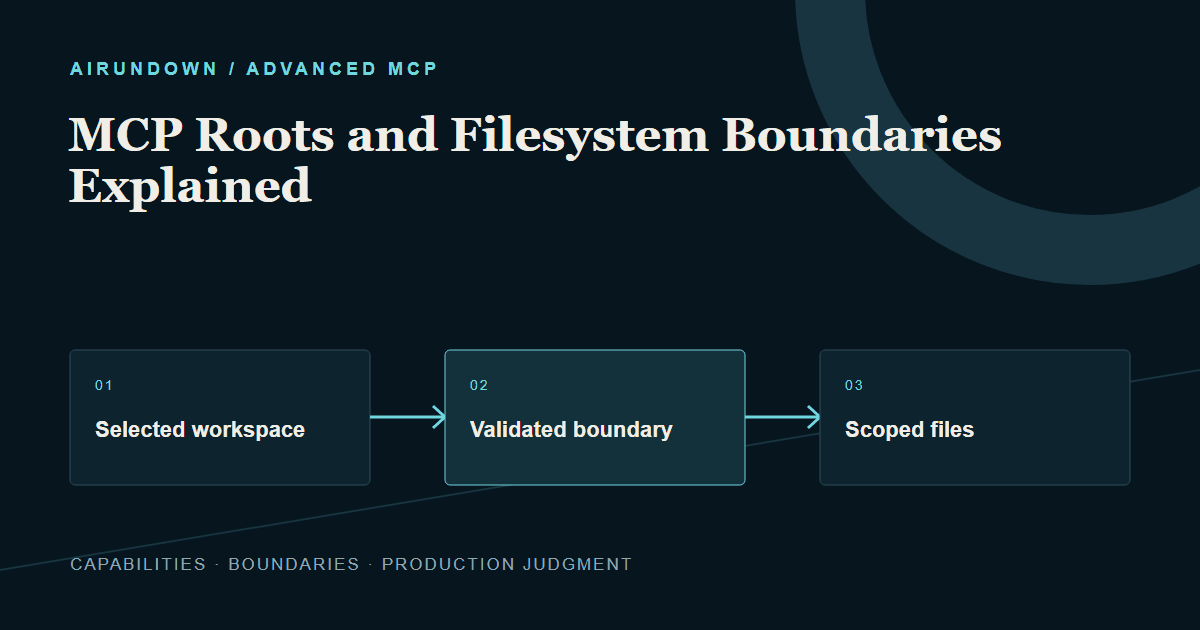
A security-focused guide to MCP roots, file URI validation, workspace boundaries, user consent, symlinks, and modern alternatives.
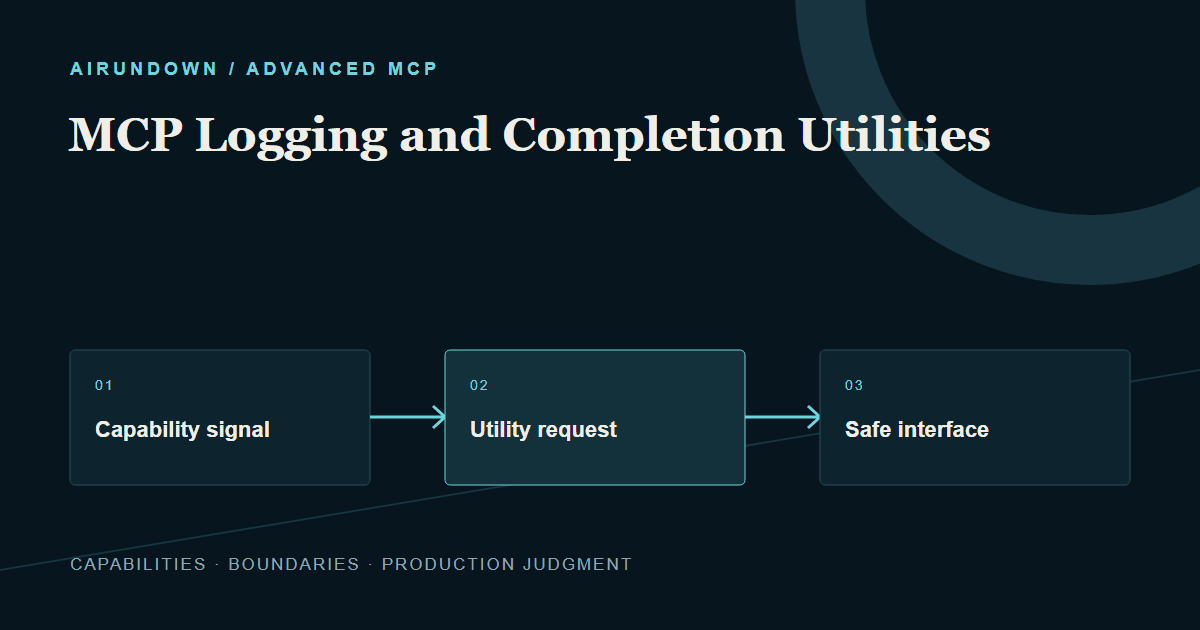
A practical reference to MCP logging notifications and completion suggestions, including current status, security, and implementation boundaries.
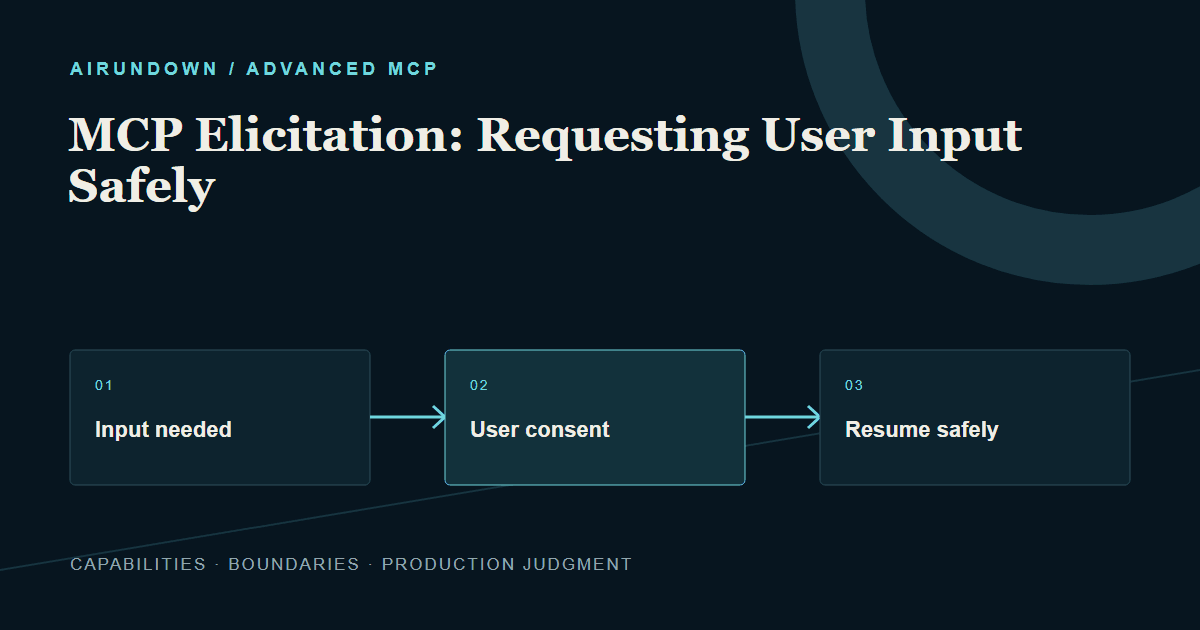
A practical guide to requesting missing user input during MCP operations without confusing conversation, consent, or credentials.
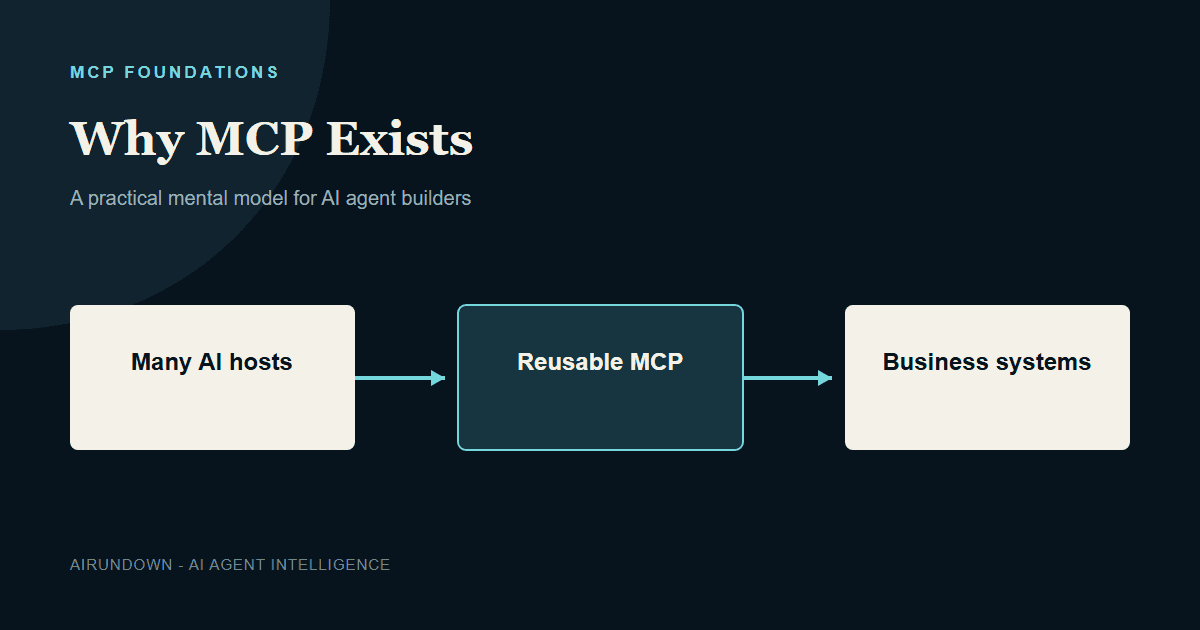
Understand why AI integrations become difficult at scale and how MCP creates a reusable boundary between AI applications and external systems.
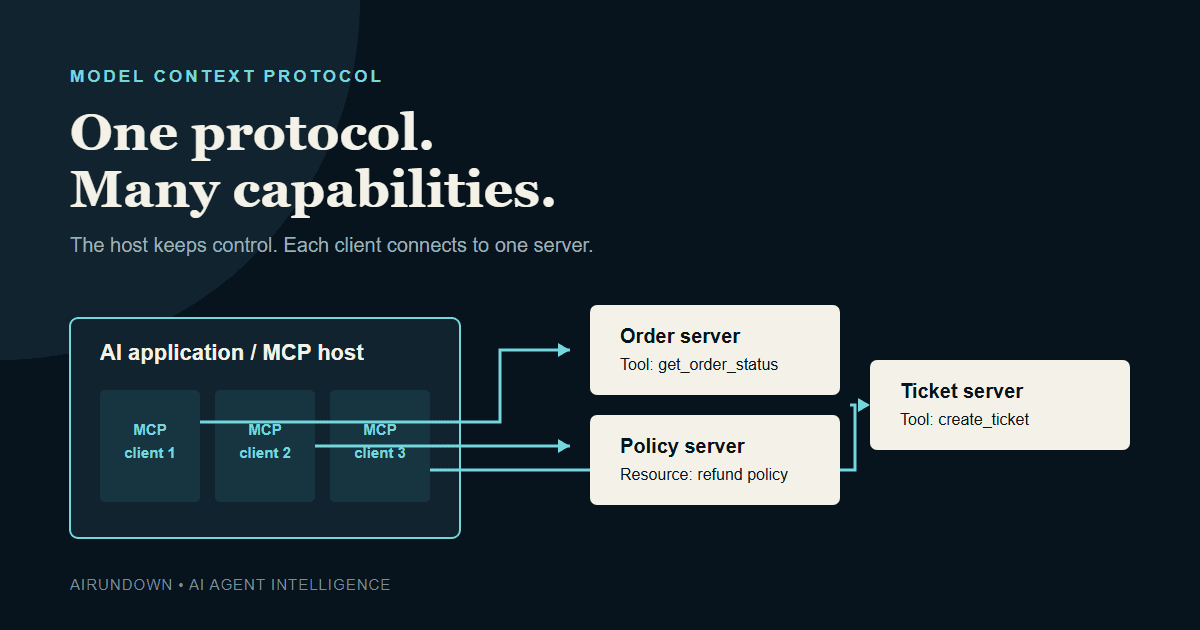
A practical, beginner-friendly guide to the Model Context Protocol: its host-client-server architecture, tools and resources, request flow, trade-offs, and security boundaries.
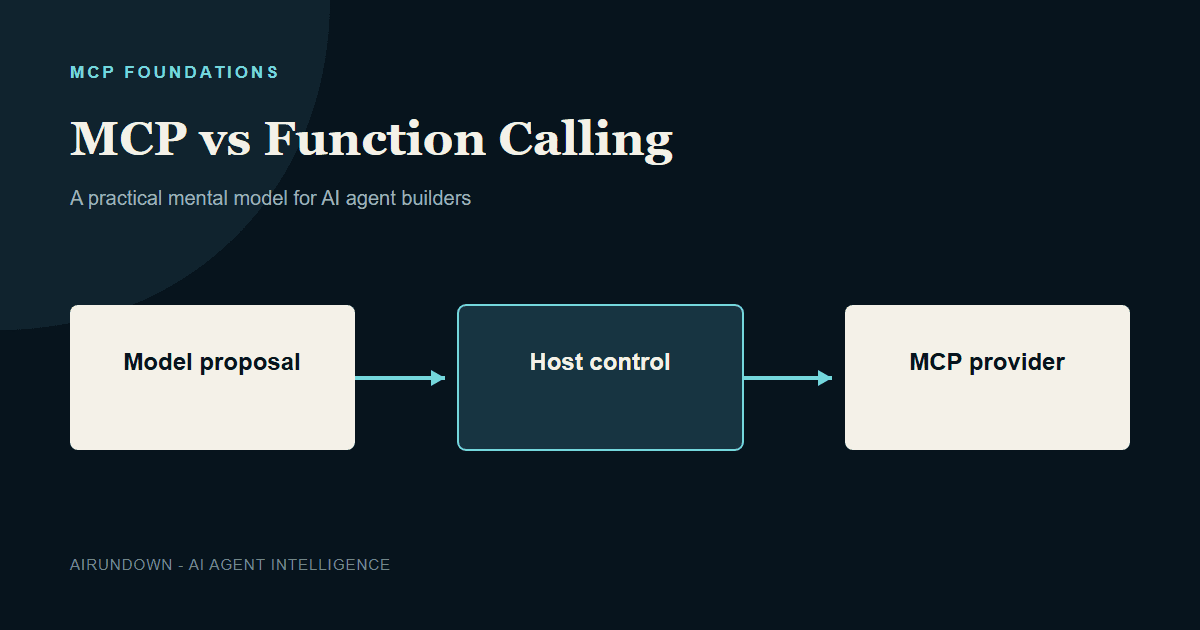
A practical comparison of MCP and model function calling, including their boundaries, request flow, portability, security, and combined architecture.
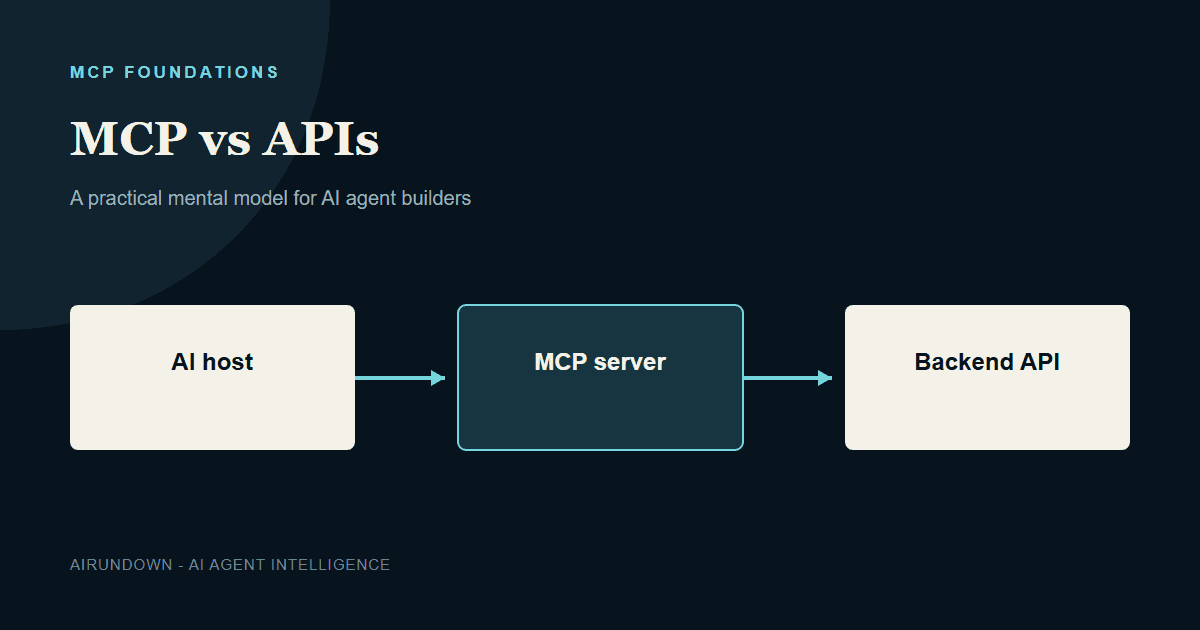
Learn how MCP relates to REST APIs and SDKs, what each layer owns, and why most production MCP servers still call existing APIs.
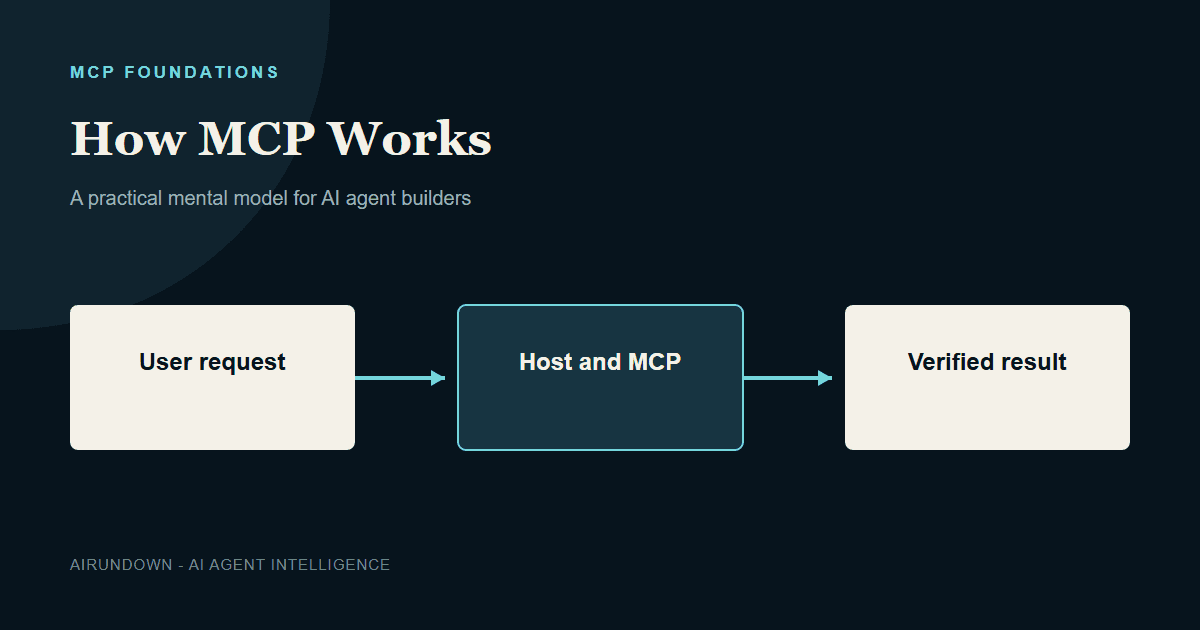
Trace an MCP interaction from server discovery through model tool selection, host authorization, execution, and the final answer.
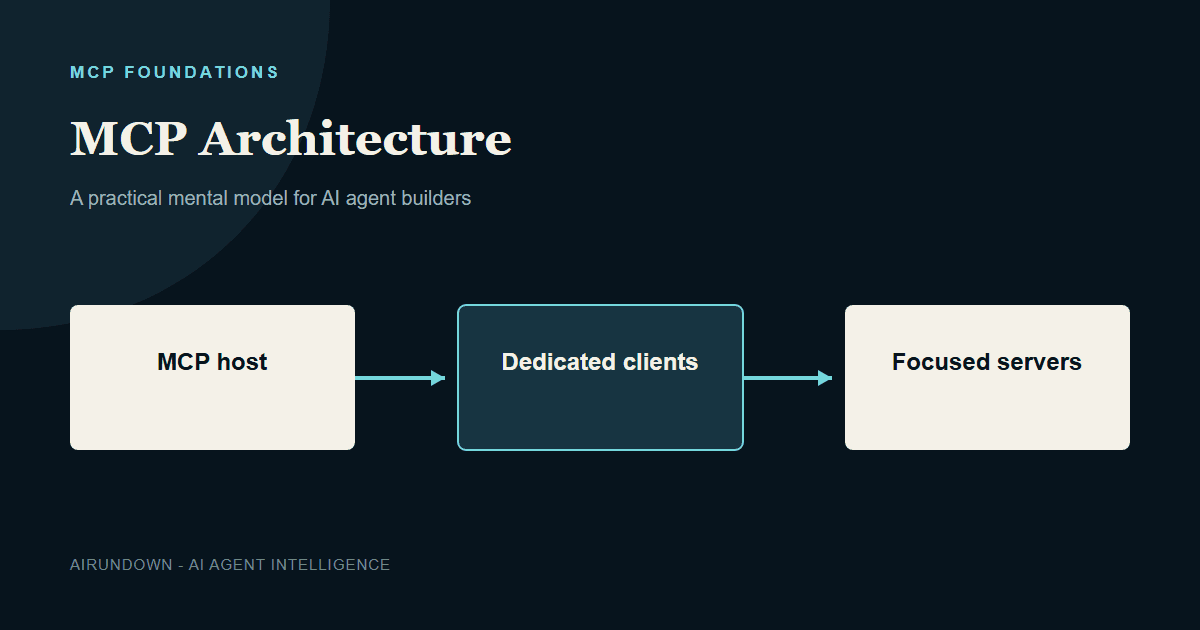
A component-by-component guide to MCP architecture, including host and client responsibilities, server primitives, transports, and trust boundaries.
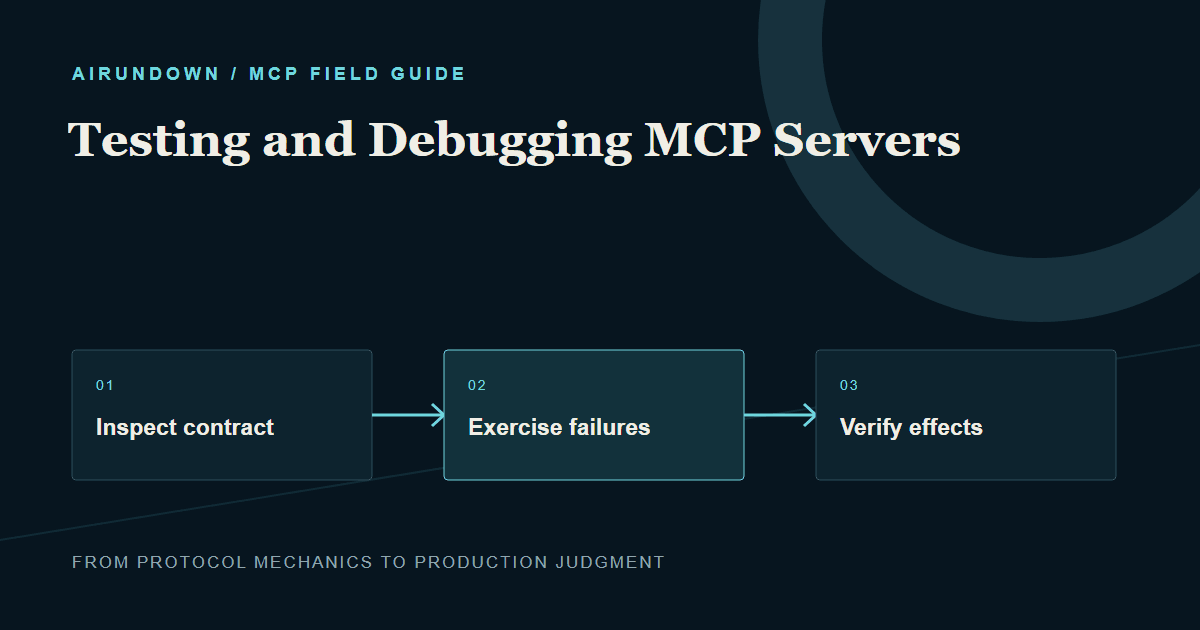
A practical workflow for inspecting, testing, and debugging MCP servers from protocol exchange to downstream side effects.
A practical permission model for controlling which MCP tools users and agents can discover, call, and approve.
A practical threat model for MCP hosts, clients, servers, tools, credentials, model context, and downstream systems.
A defensive guide to prompt injection, tool poisoning, confused-deputy risks, and data exfiltration in MCP systems.
A production deployment guide for remote MCP servers covering network boundaries, identity, scaling, observability, and rollback.
Practical MCP tool-design guidance covering names, descriptions, JSON Schema, structured results, errors, permissions, and testing.
A reliability guide to MCP errors, deadlines, retries, cancellation, progress, idempotency, ambiguous writes, and observable recovery.
A production-focused guide to authenticating MCP clients and authorizing users, tools, resources, tenants, and downstream actions.
An implementation guide to MCP client connection management, tool discovery, model mapping, routing, result handling, and observability.
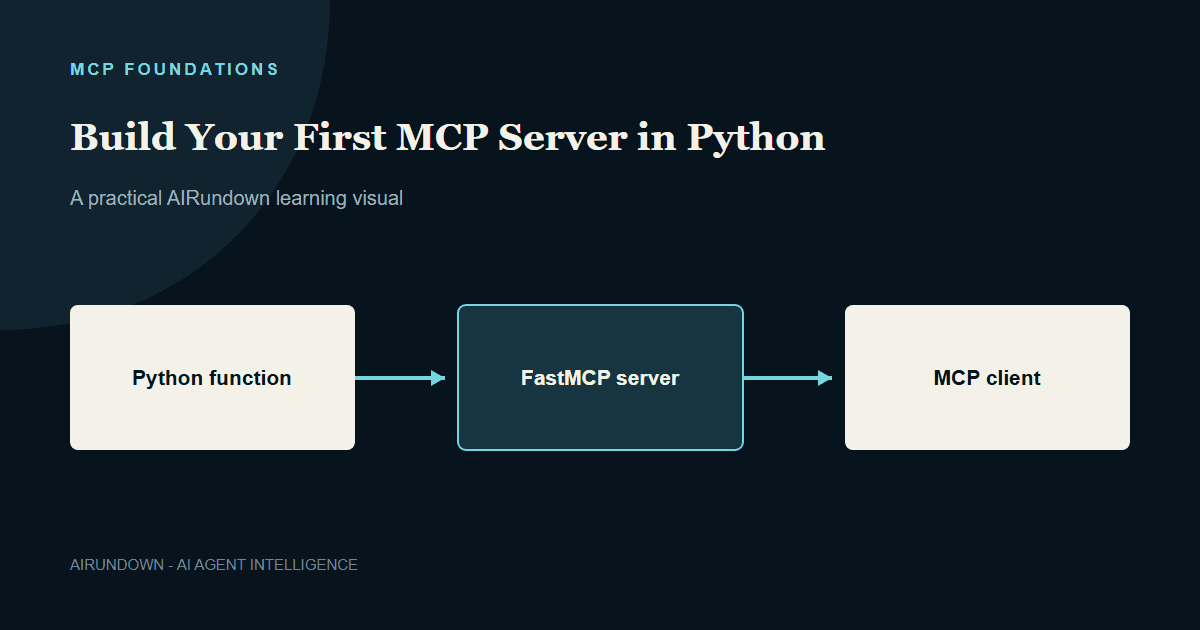
A step-by-step Python tutorial for building, running, testing, and hardening a small MCP server with a typed tool.
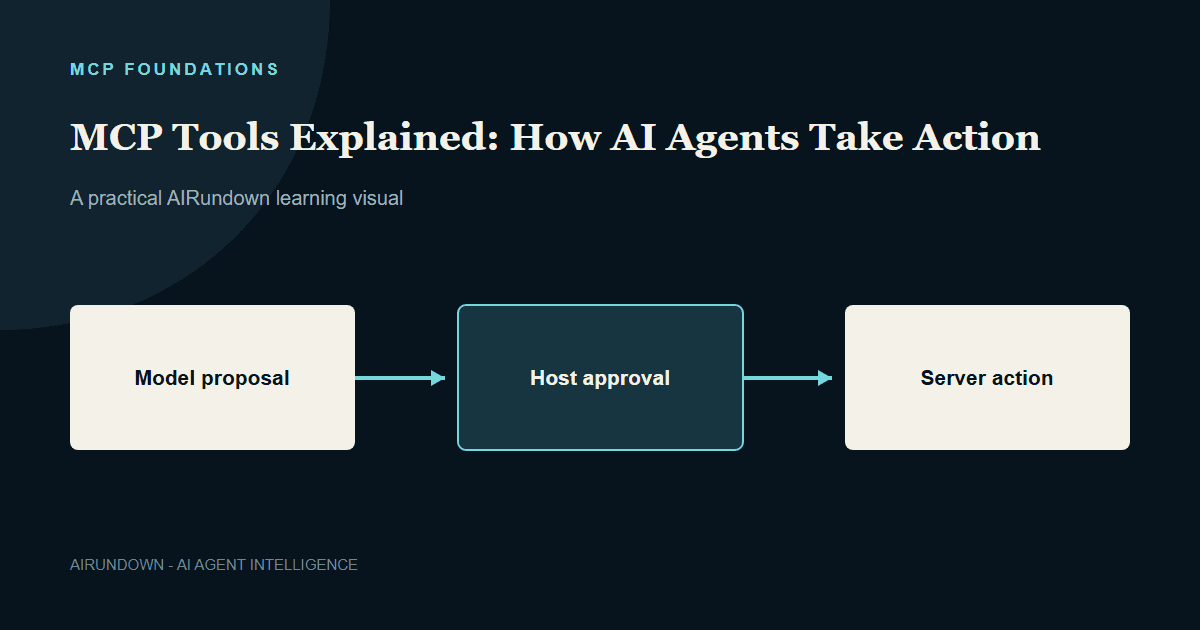
A practical guide to MCP tools, including schemas, discovery, execution, approvals, errors, and safe production design.
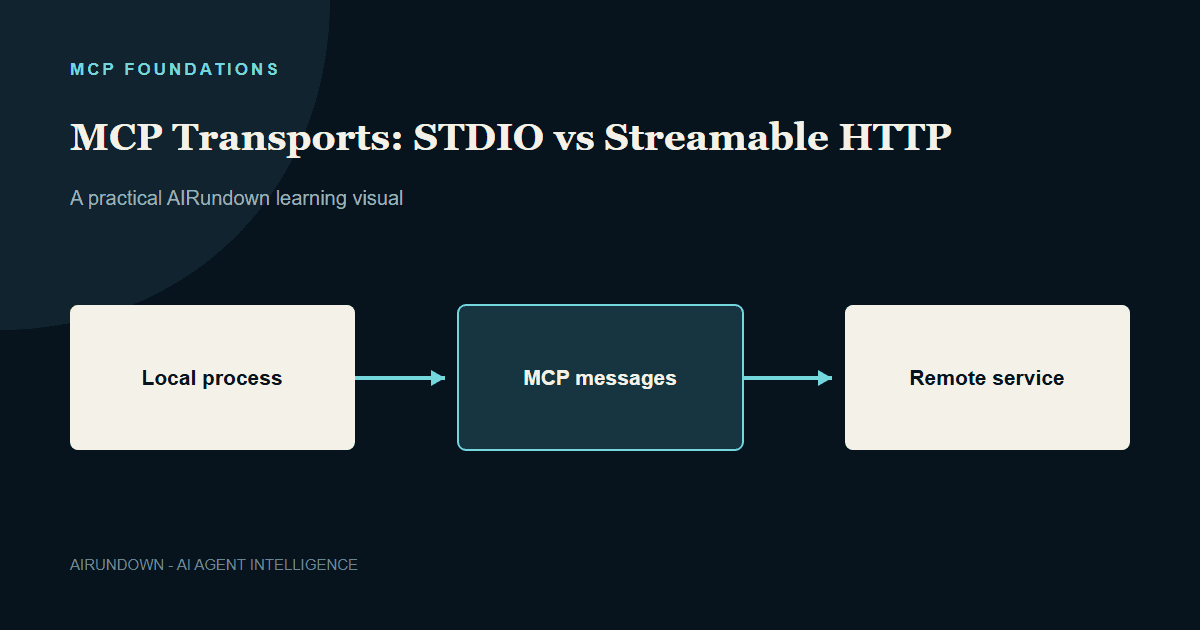
Understand how MCP messages travel over STDIO and Streamable HTTP and how to choose the right transport for local and remote servers.
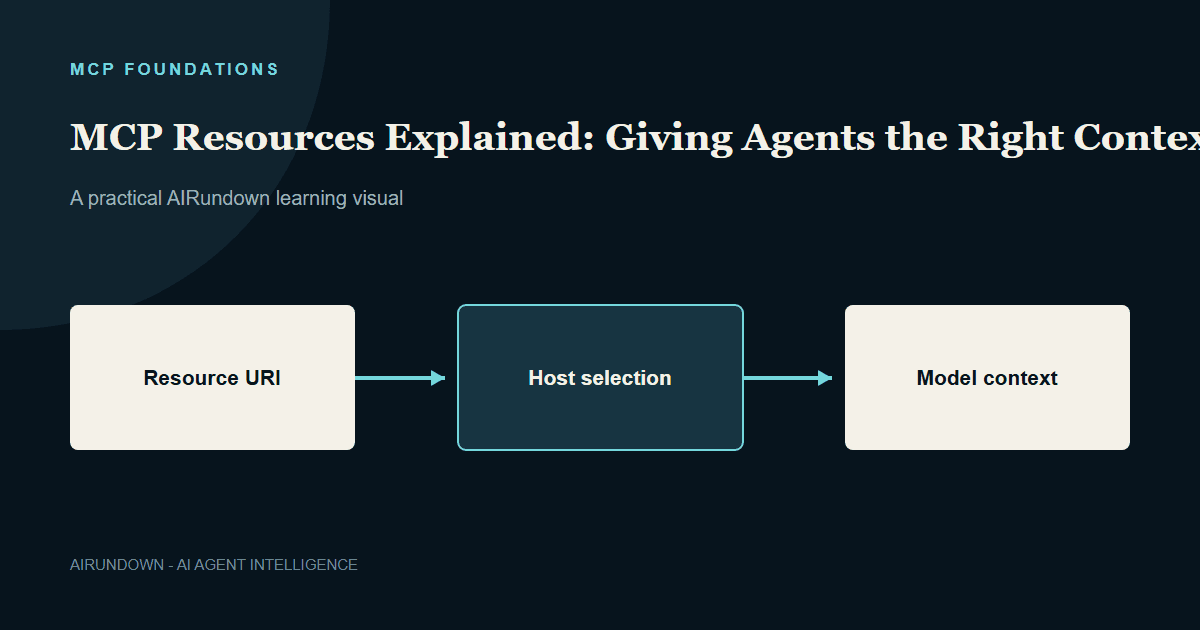
Understand MCP resources, resource URIs, templates, discovery, reading, subscriptions, and safe context selection.
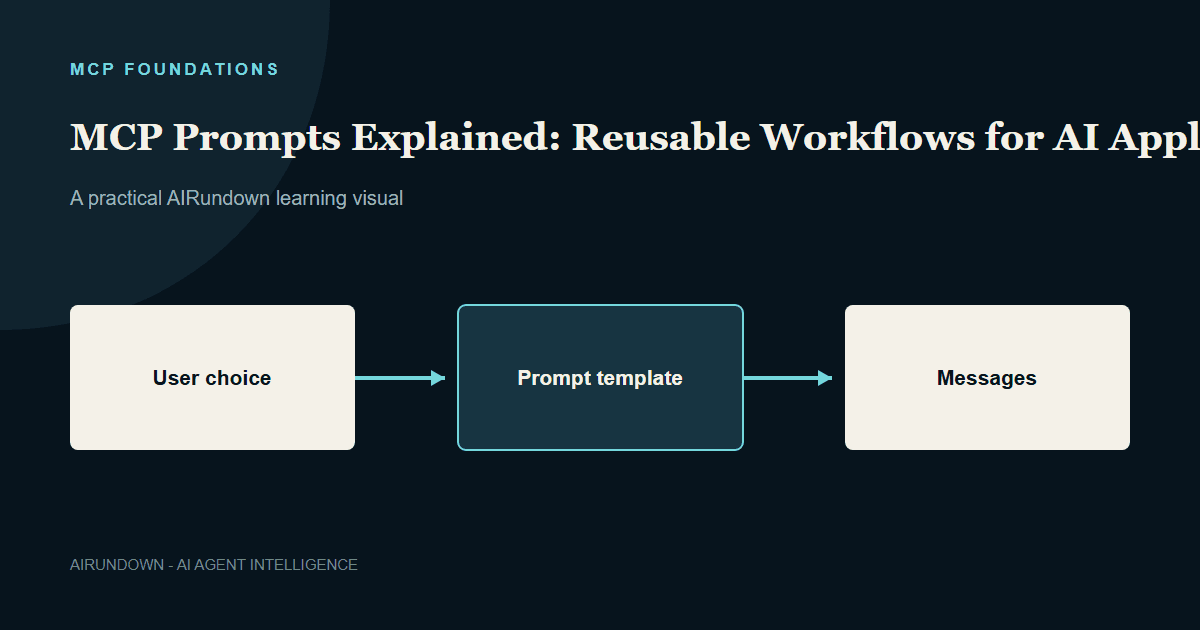
A practical guide to MCP prompts, including discovery, arguments, message content, user control, safety, and design patterns.
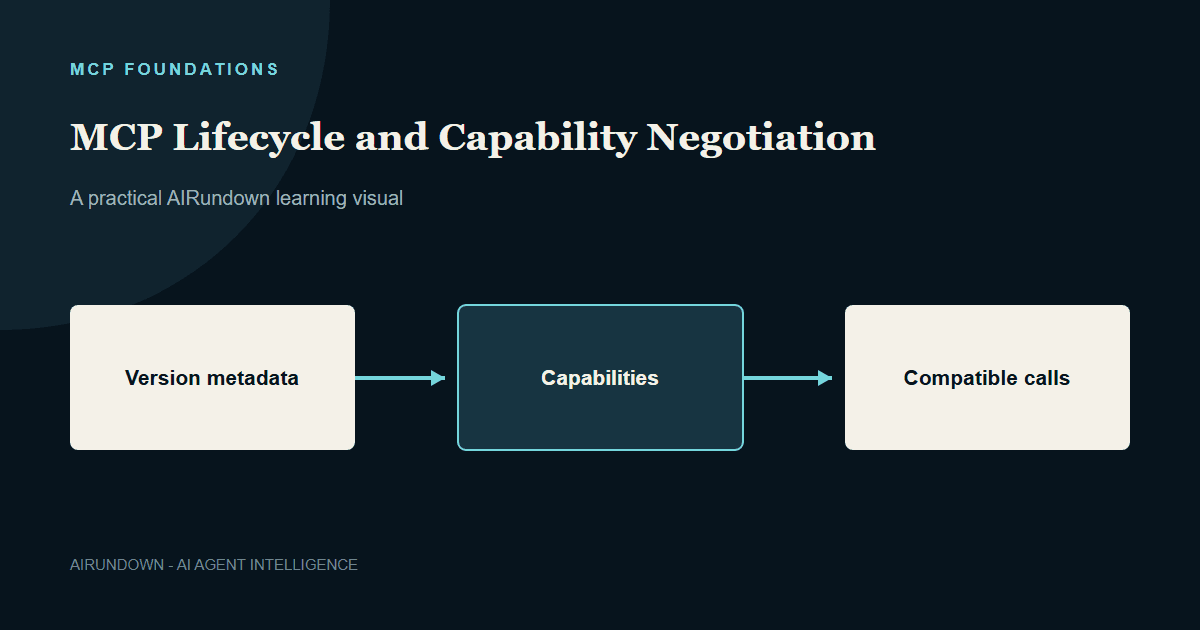
A current guide to MCP version compatibility, capability discovery, request metadata, feature use, and the transition from older handshakes.
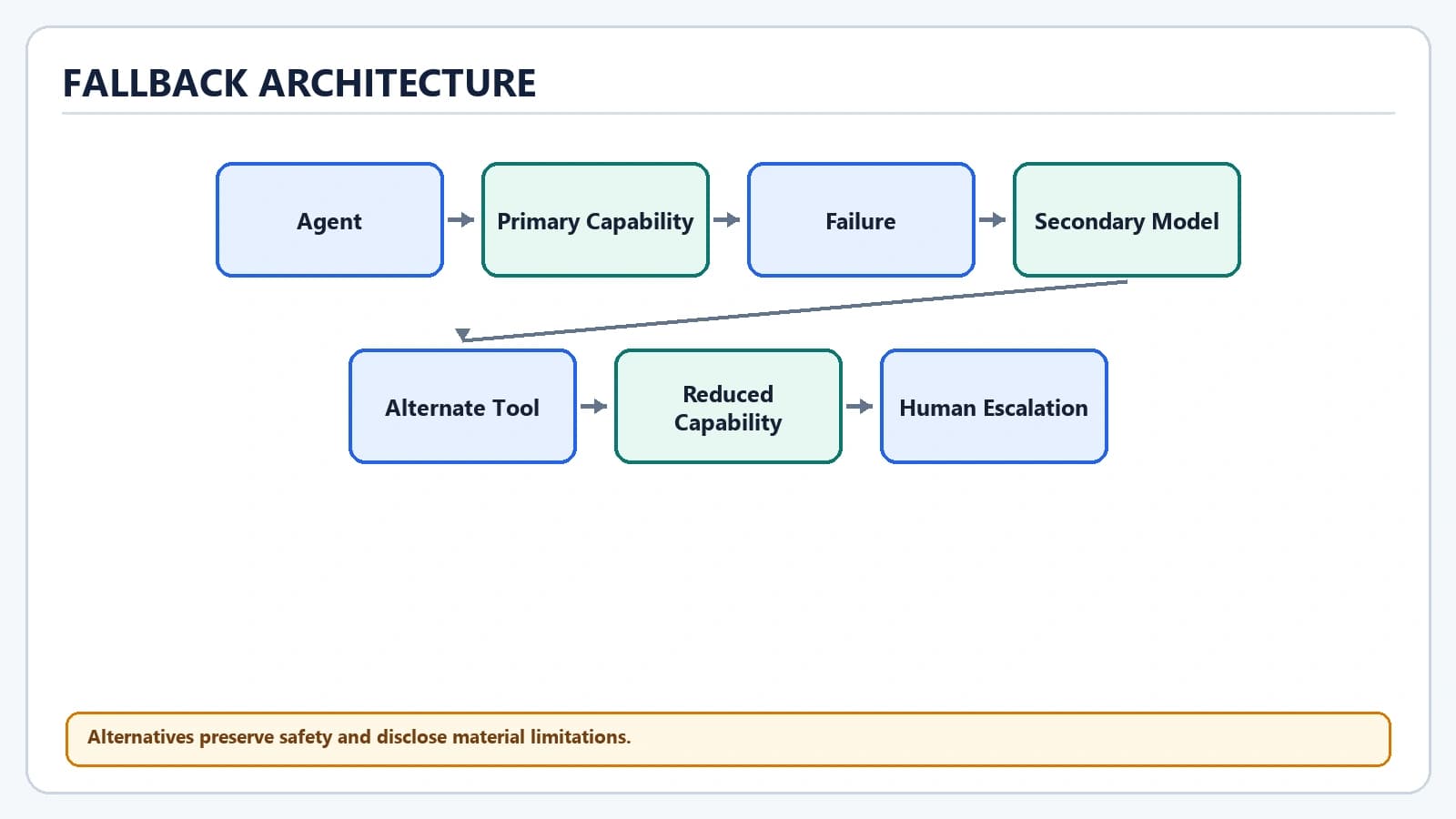
Keep an agent safely useful when models, tools, data, or specialists fail—without fabricating success or silently weakening controls.
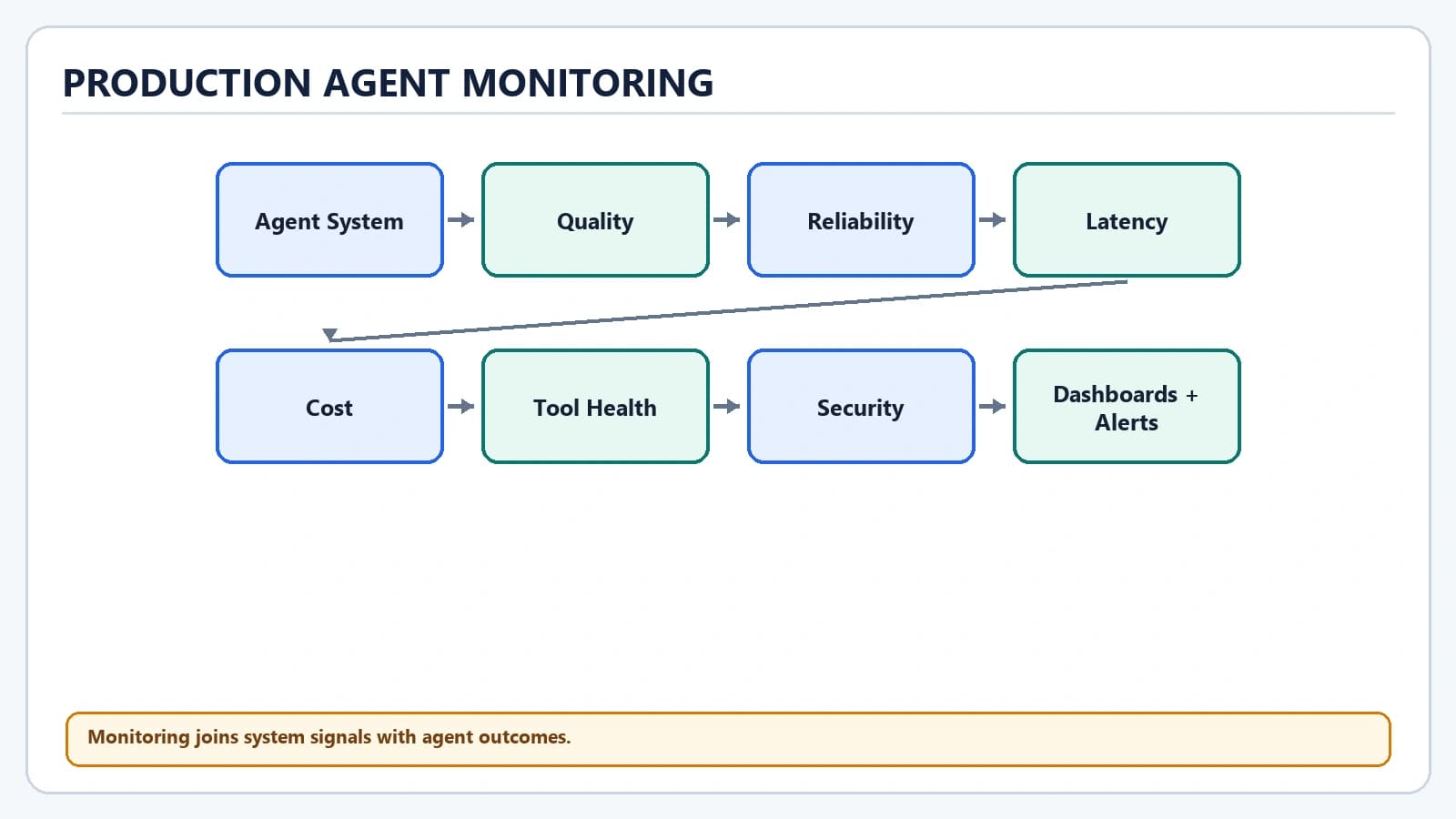
Turn traces, metrics, logs, and evaluations into selected production signals, thresholds, dashboards, and actionable alerts.
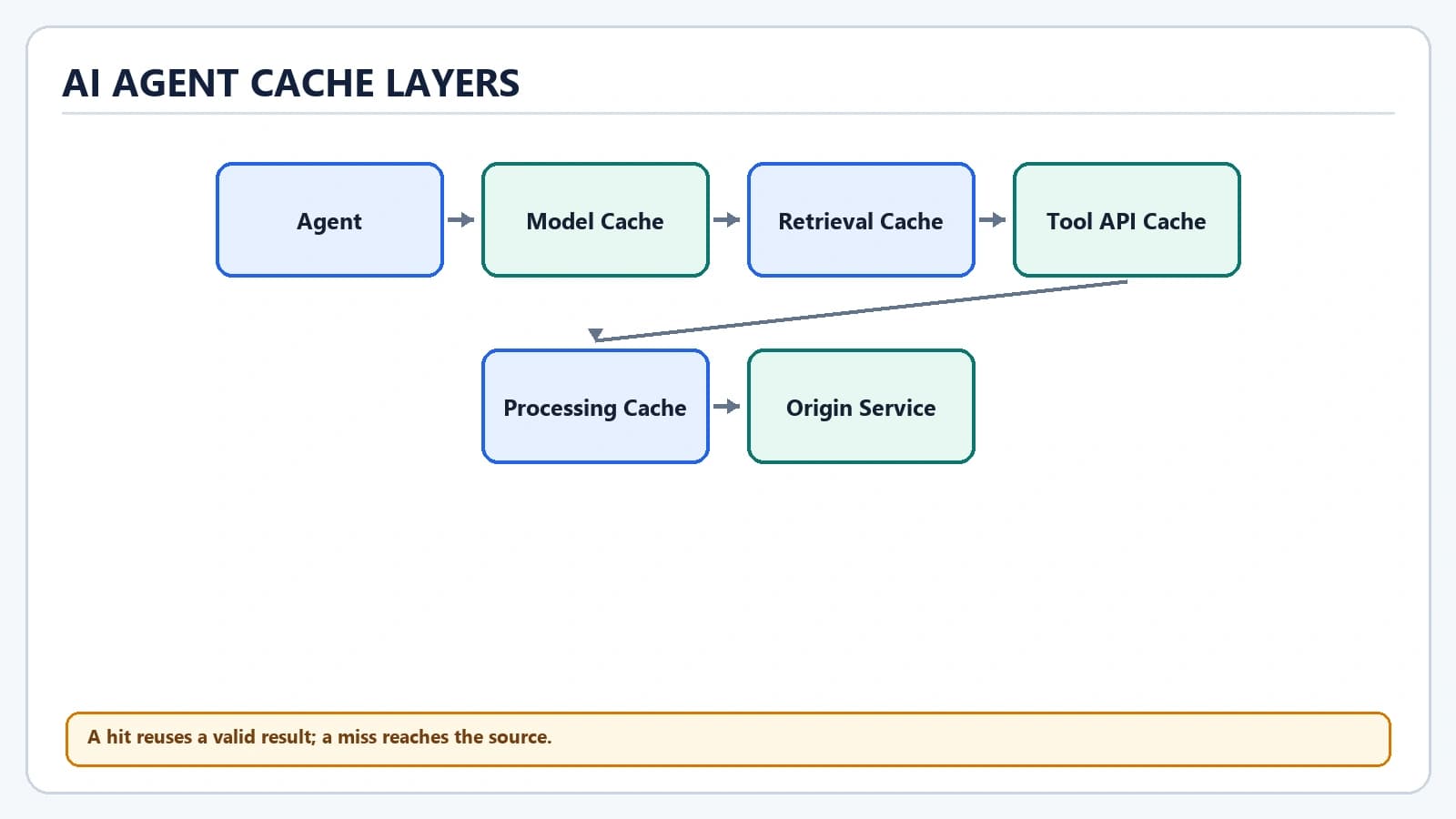
Reuse expensive results only when identity, freshness, authorization, and side-effect semantics make reuse safe.
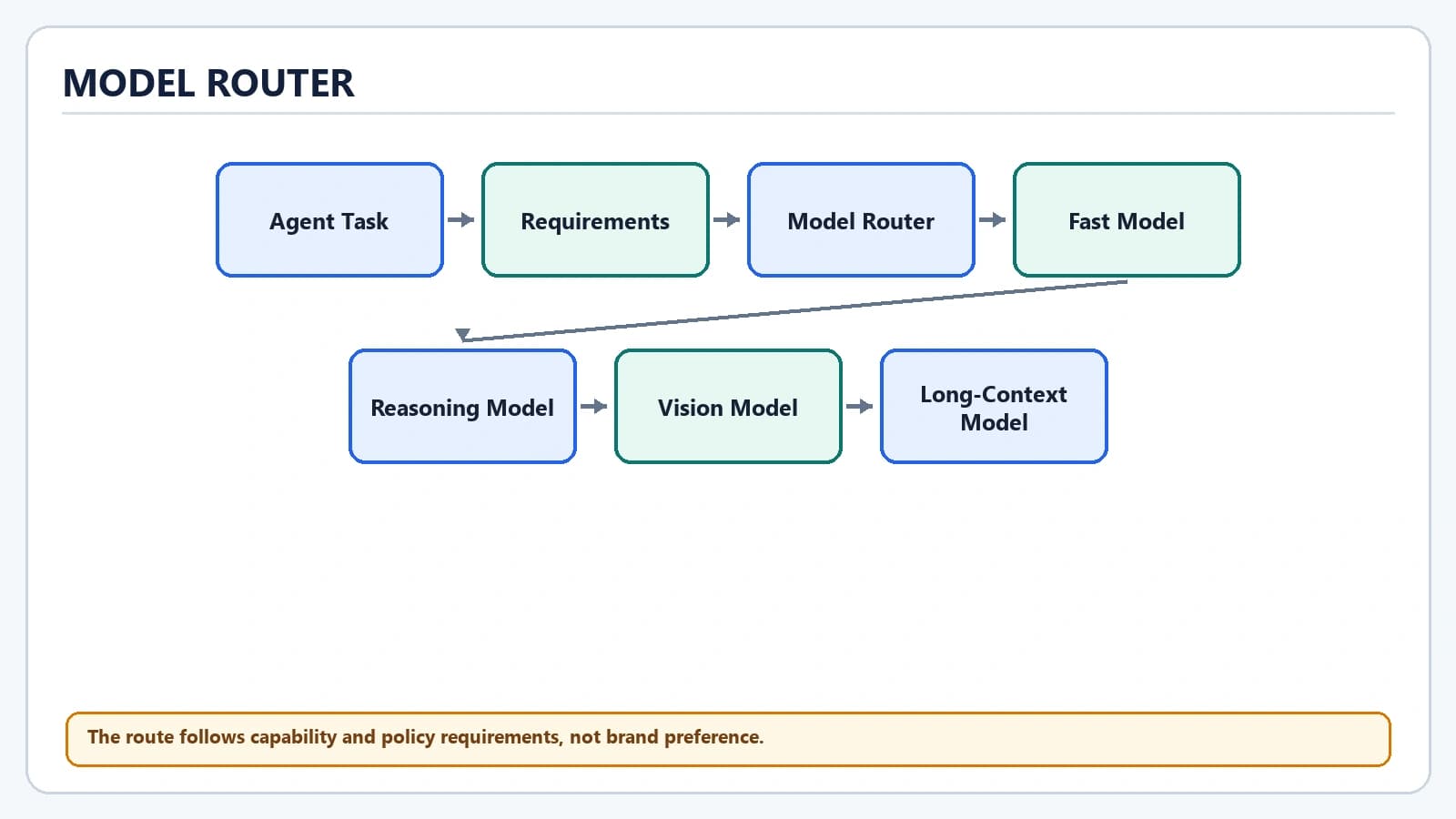
Choose models by task requirements, policy, quality, latency, and cost instead of sending every step to one default.
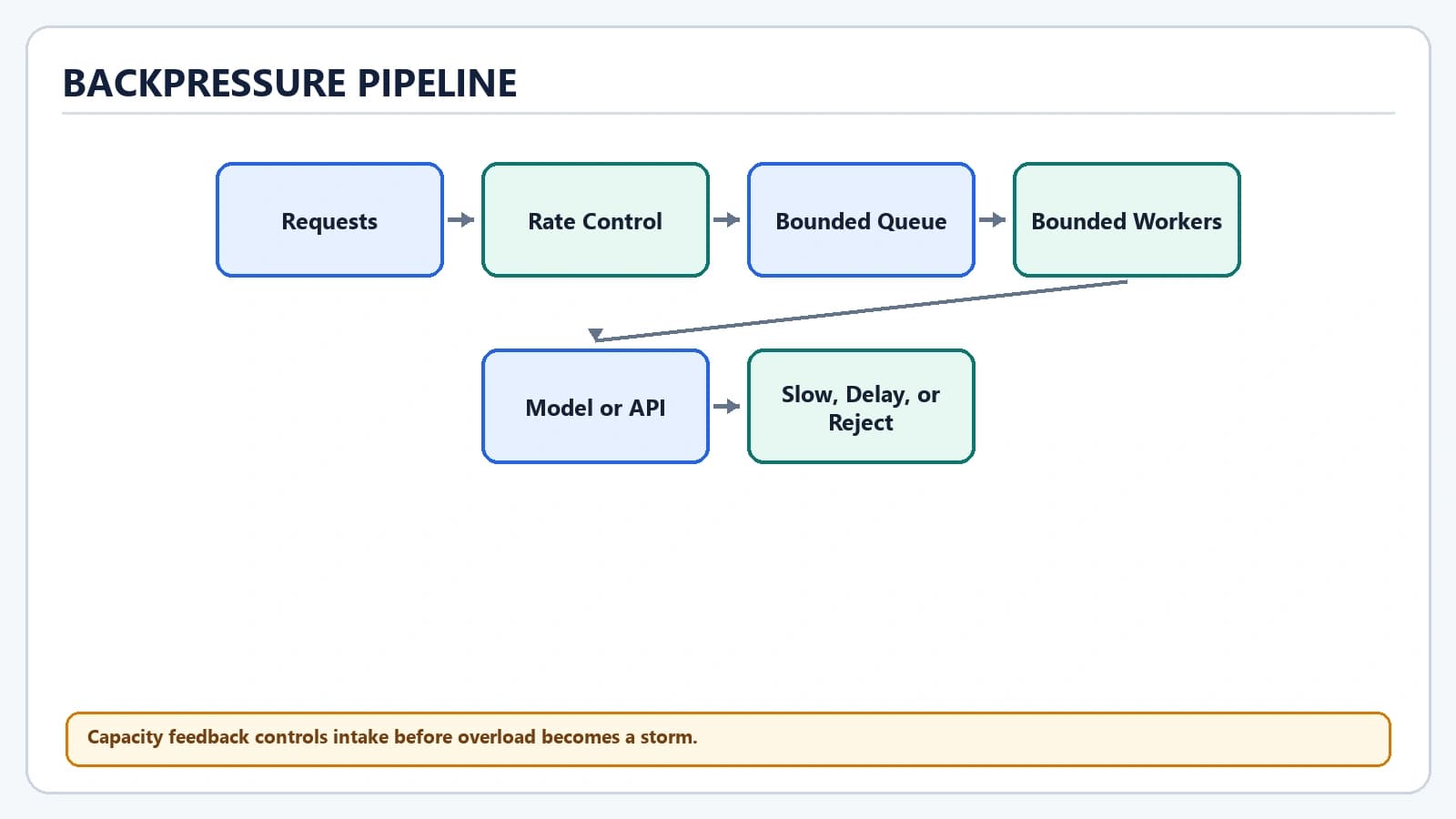
Control overload before immediate retries turn constrained models, tools, or workers into a failure storm.
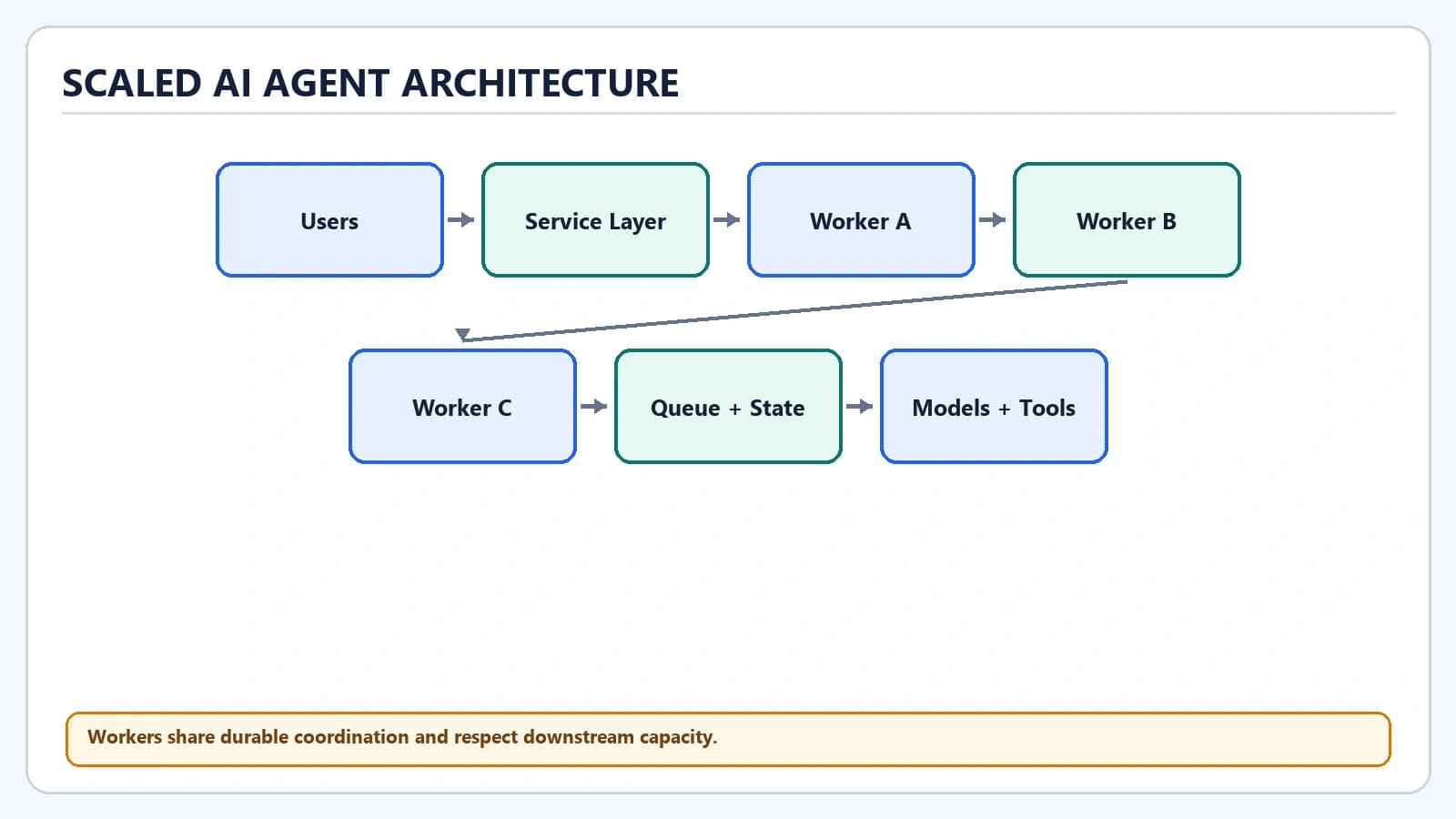
Grow workload capacity safely by separating stateless runtimes from durable tasks and protecting constrained dependencies.
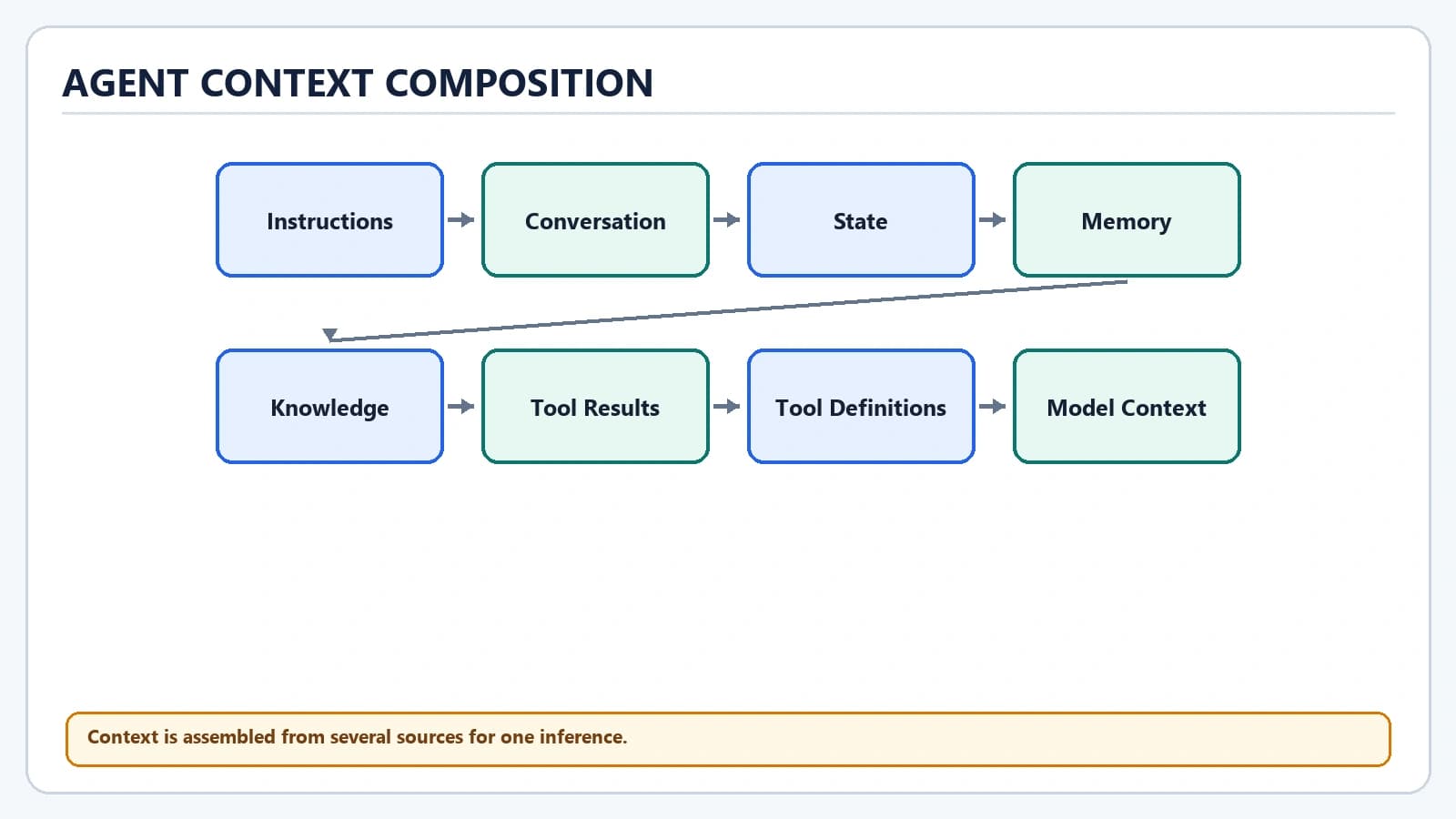
Build focused model context that preserves decision-relevant information while removing repeated and irrelevant tokens.
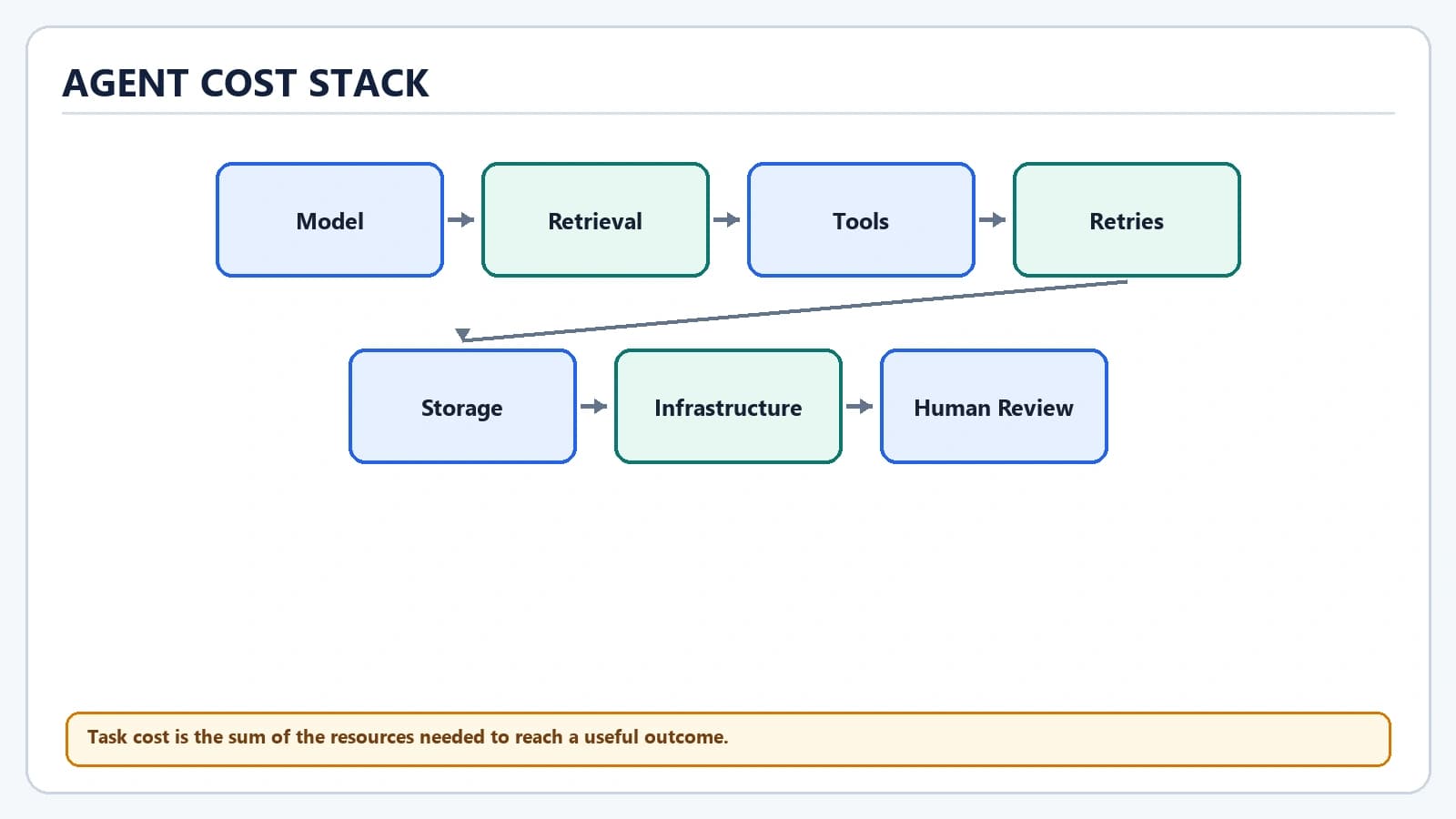
Control the cost of successful agent outcomes, not merely the price of one model call.
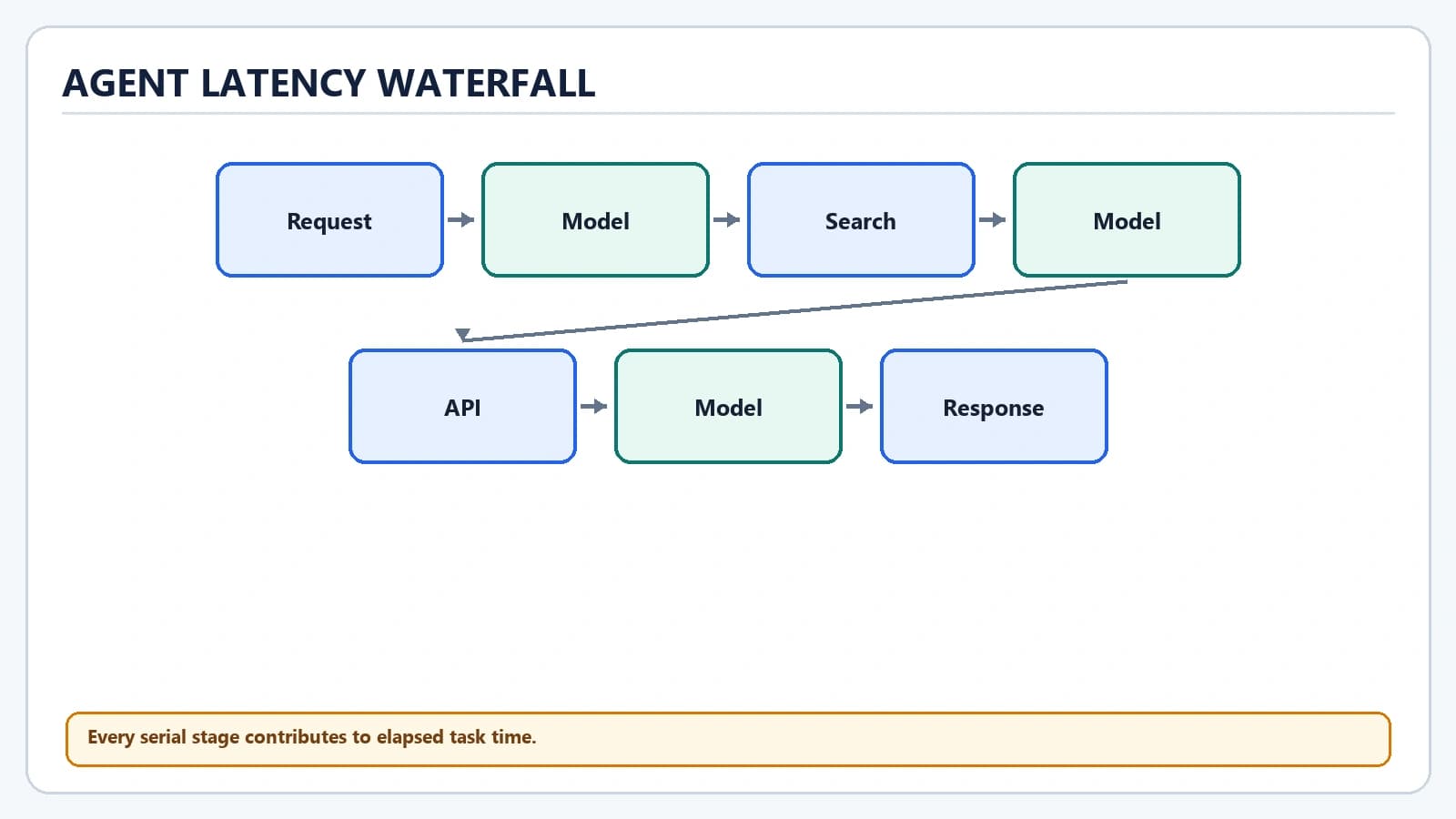
Why multi-step agents feel slow, where elapsed time accumulates, and how to improve speed without breaking the task.
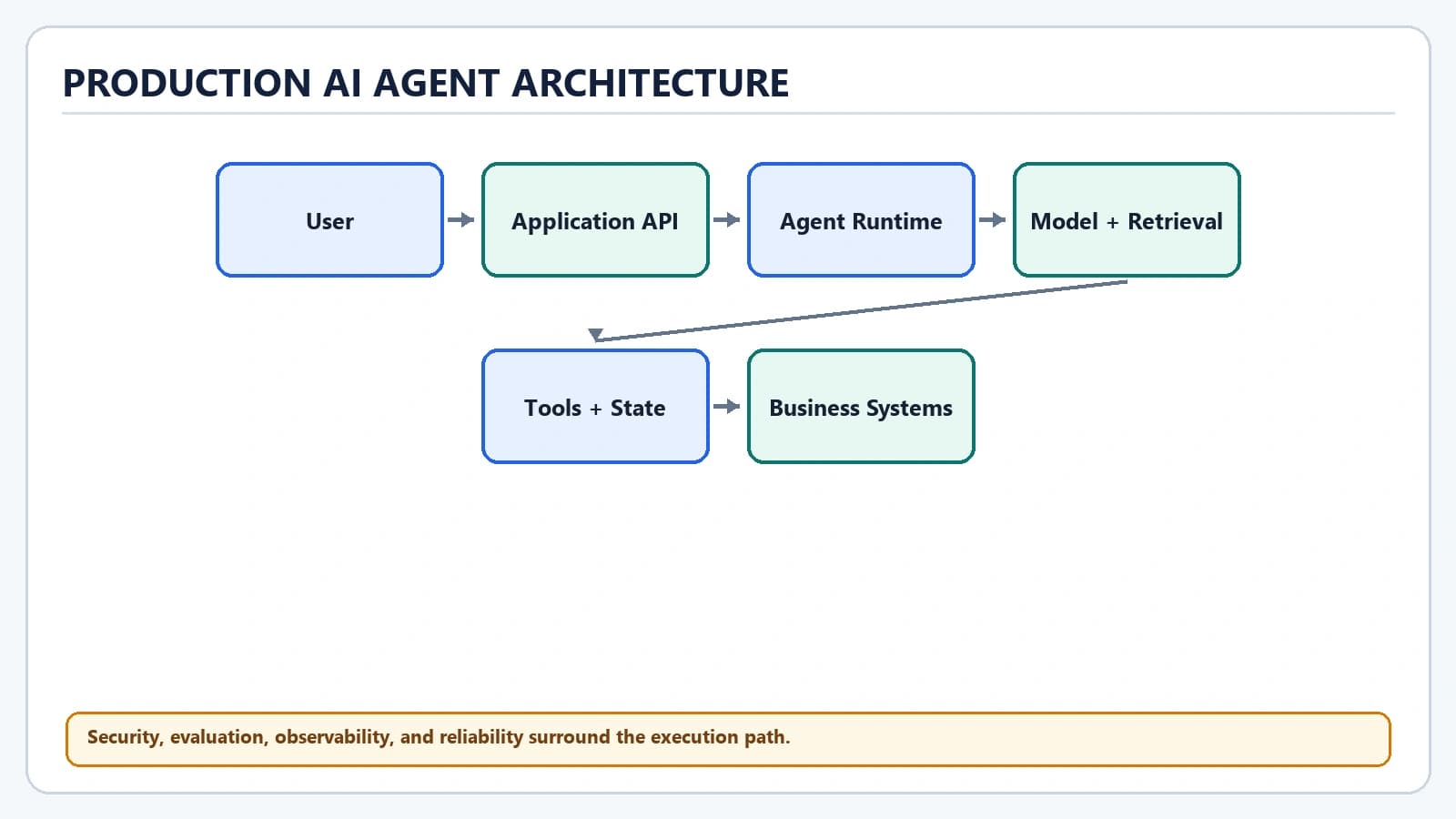
A practical path from a local agent prototype to a controlled, observable, and reversible production service.
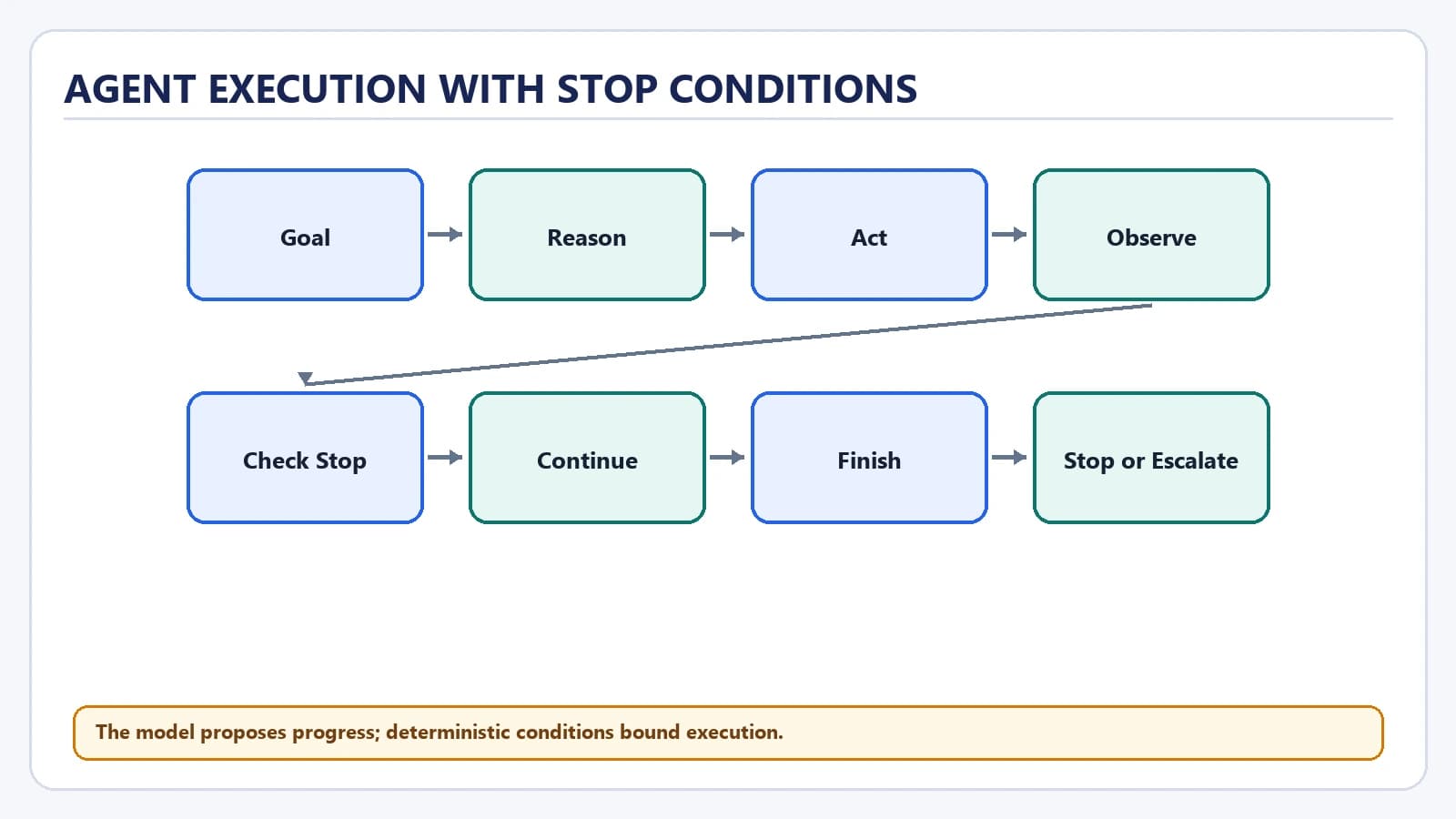
A practical, production-oriented explanation of agent stopping conditions, with examples, boundaries, trade-offs, and failure handling patterns.
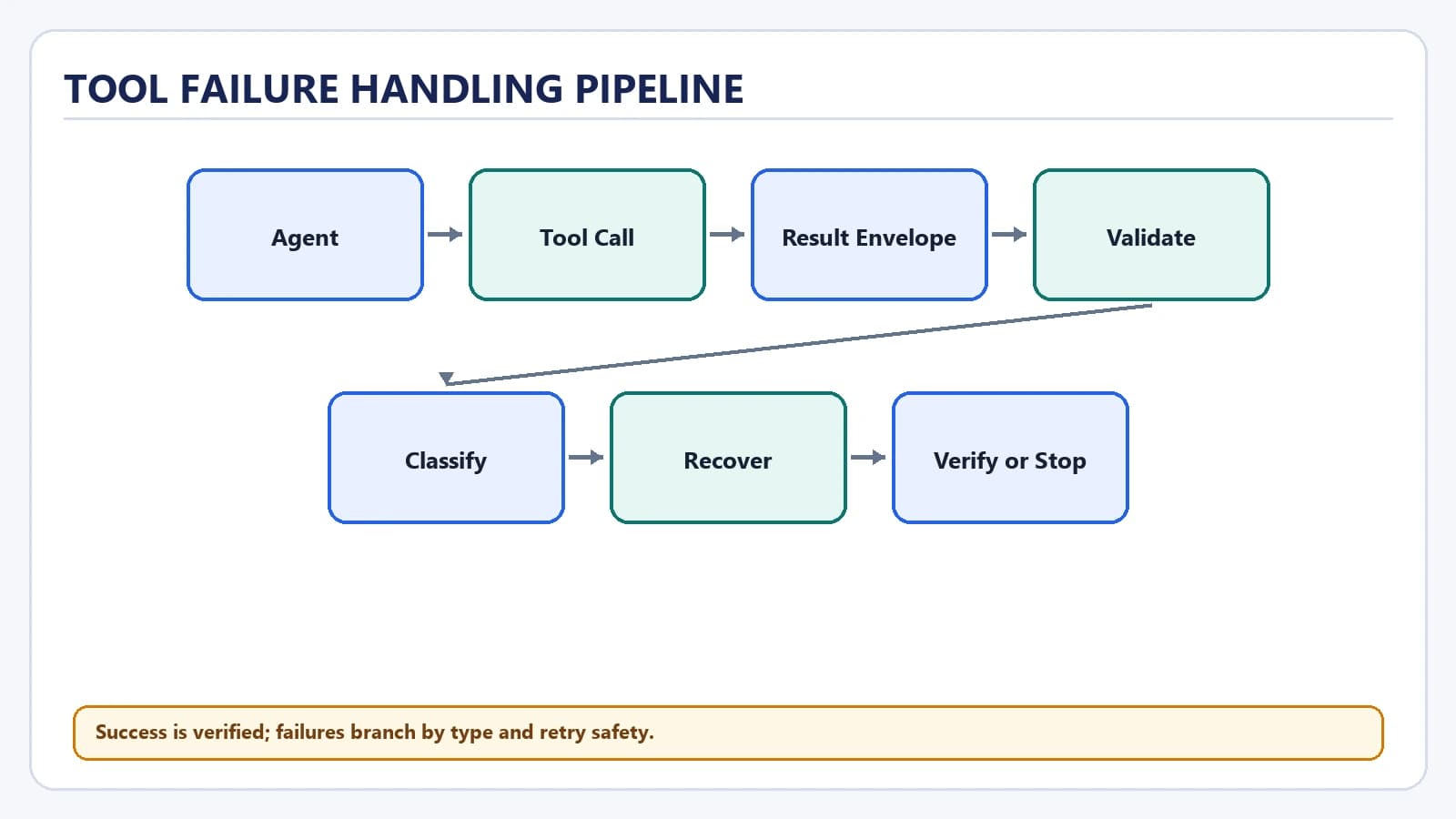
A practical, production-oriented explanation of tool failure handling, with examples, boundaries, trade-offs, and failure handling patterns.
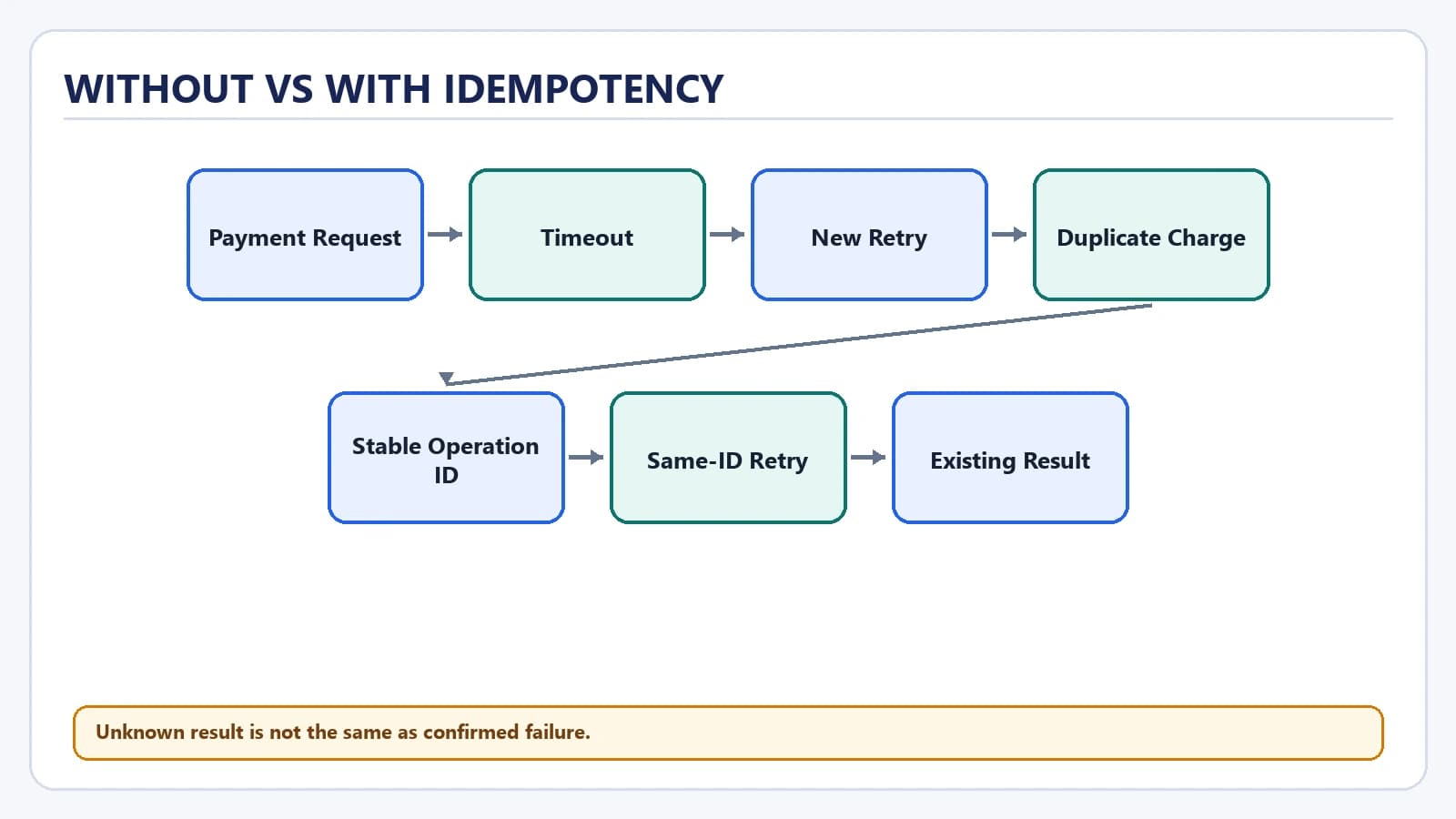
A practical, production-oriented explanation of idempotency in agent workflows, with examples, boundaries, trade-offs, and failure handling patterns.
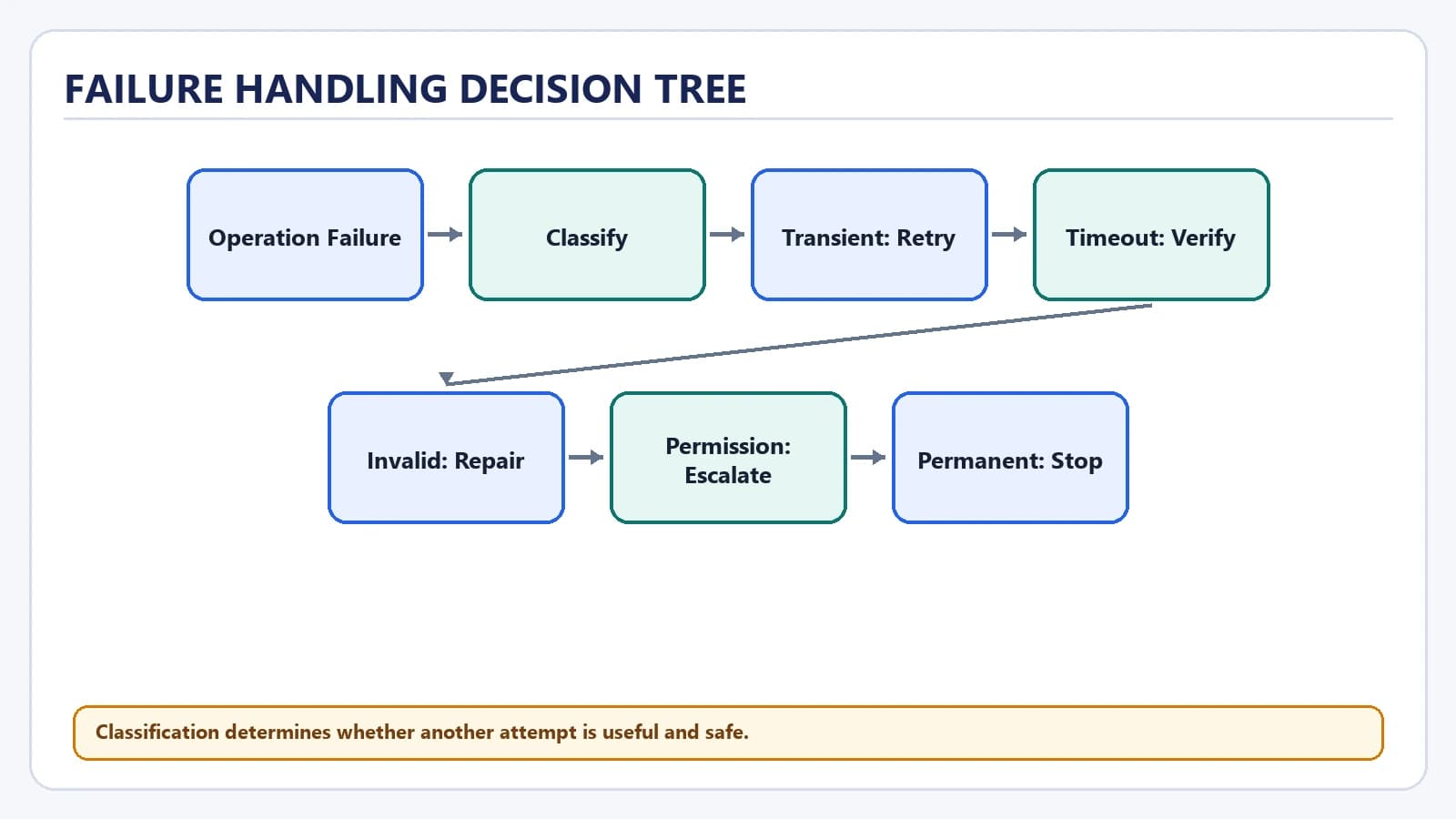
A practical, production-oriented explanation of retries, timeouts, and failure recovery, with examples, boundaries, trade-offs, and failure handling patterns.
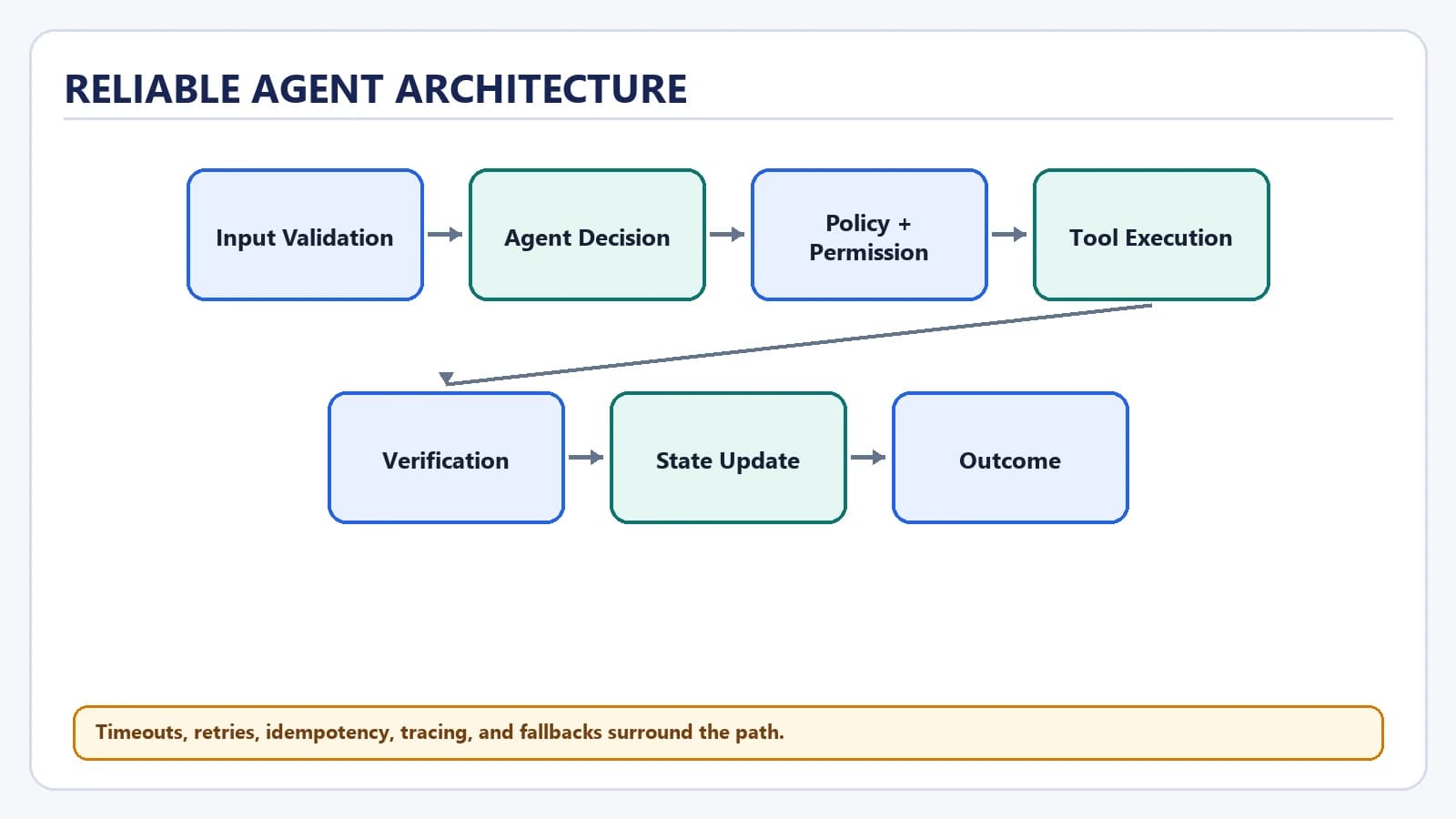
A practical, production-oriented explanation of reliable AI agent architecture, with examples, boundaries, trade-offs, and failure handling patterns.
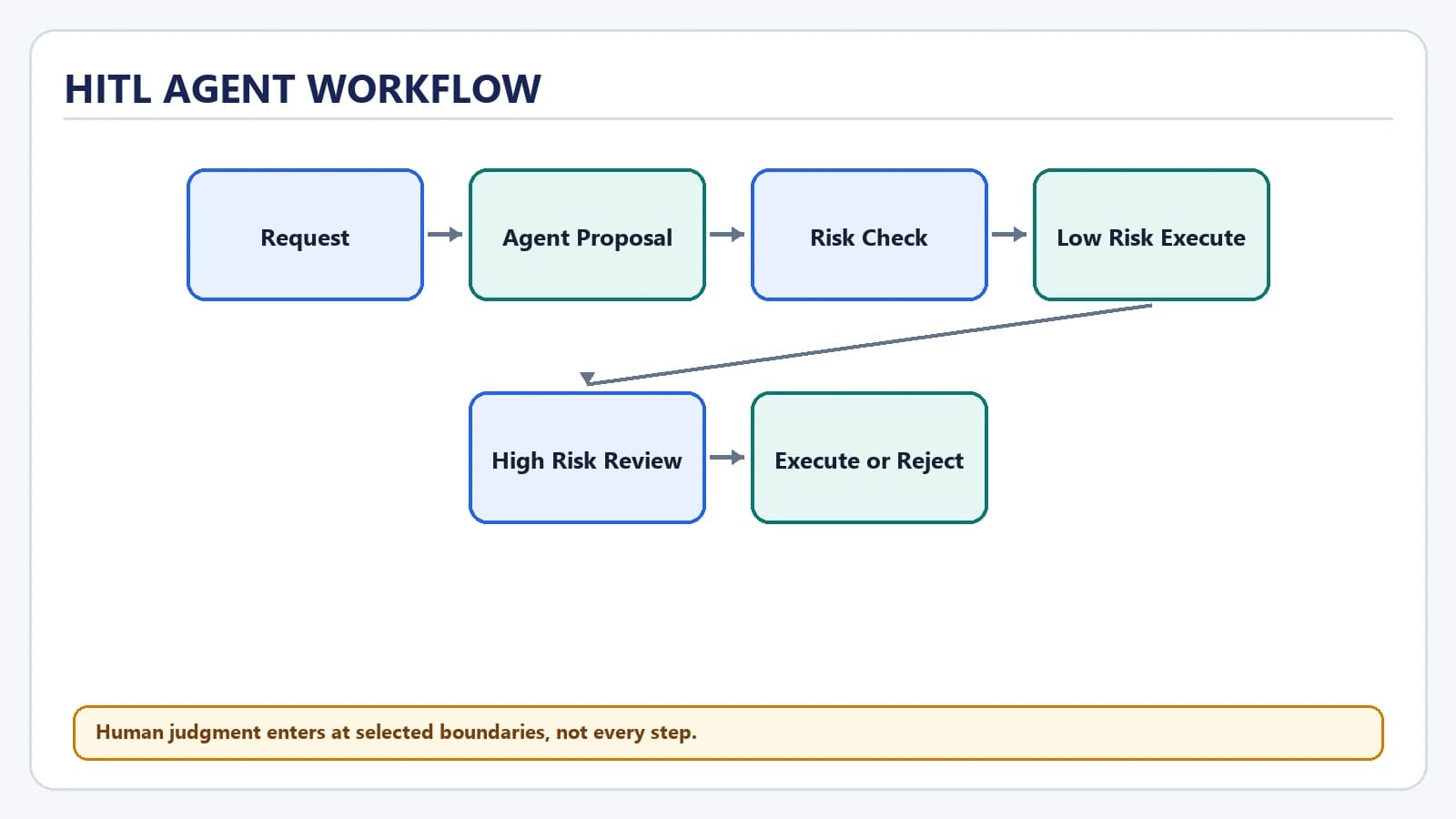
A practical, production-oriented explanation of human-in-the-loop control, with examples, boundaries, trade-offs, and failure handling patterns.
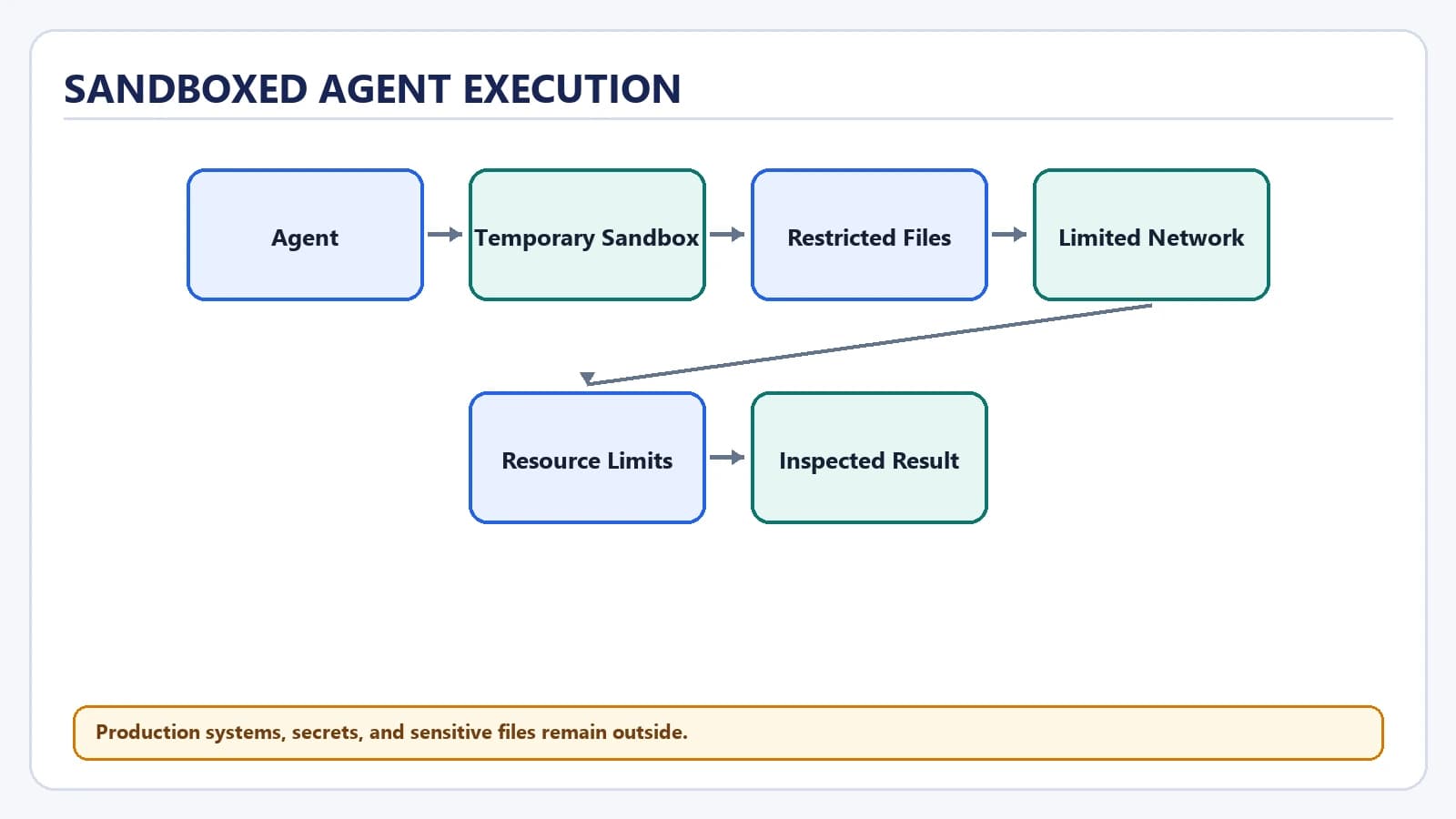
A practical, production-oriented explanation of sandboxed agent execution, with examples, boundaries, trade-offs, and failure handling patterns.
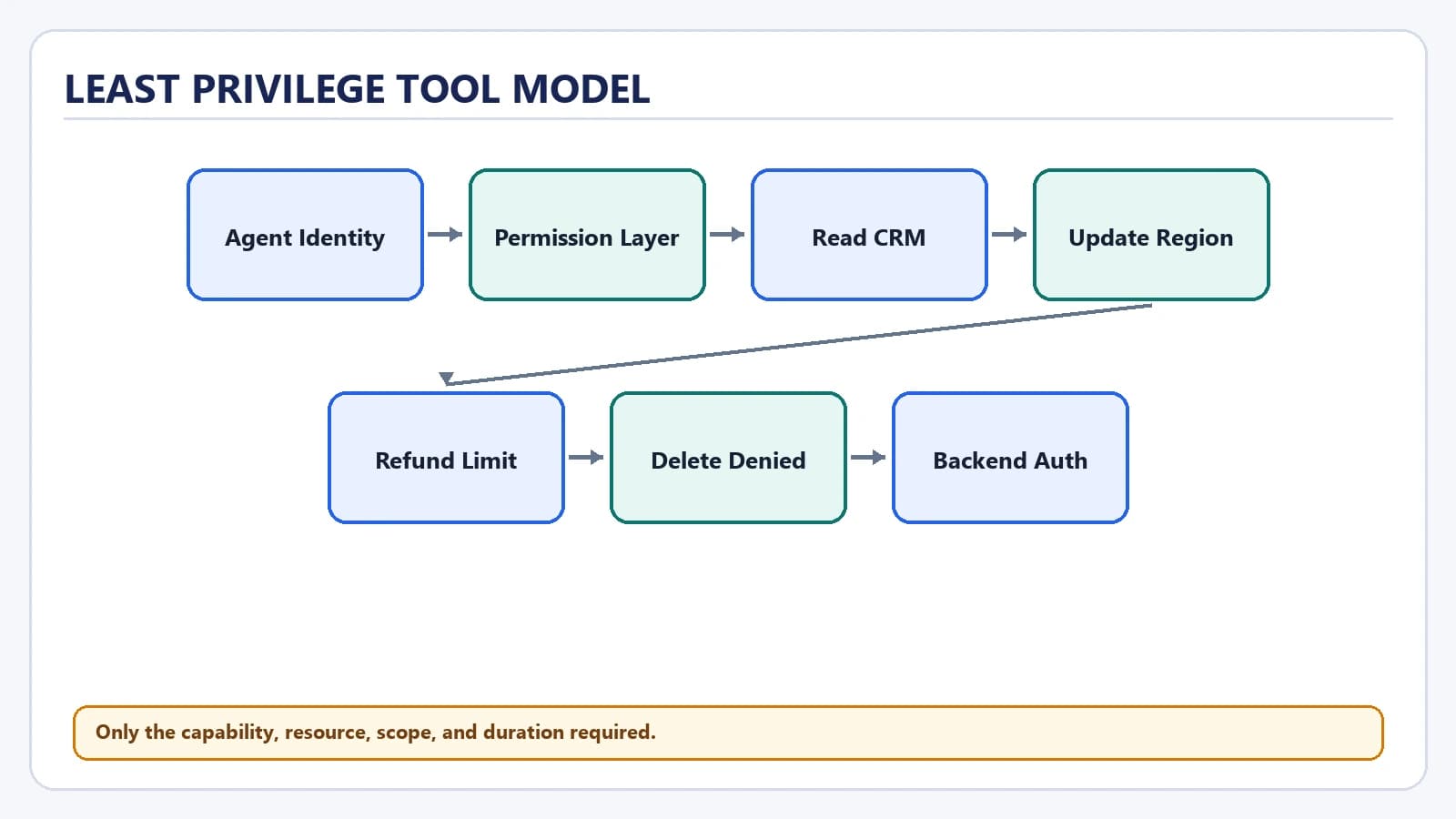
A practical, production-oriented explanation of least-privilege tool permissions, with examples, boundaries, trade-offs, and failure handling patterns.
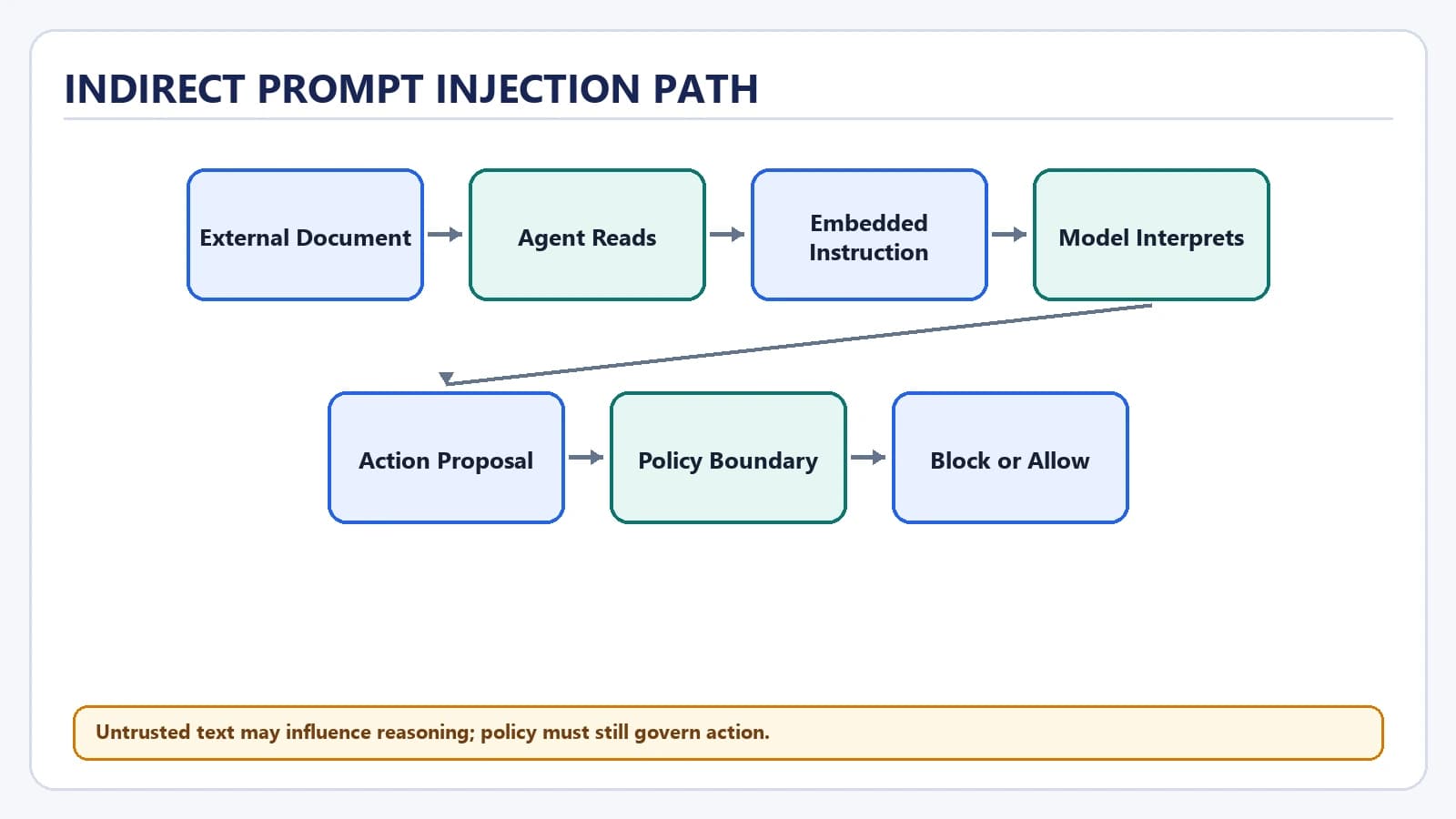
A practical, production-oriented explanation of prompt injection in tool-using agents, with examples, boundaries, trade-offs, and failure handling patterns.
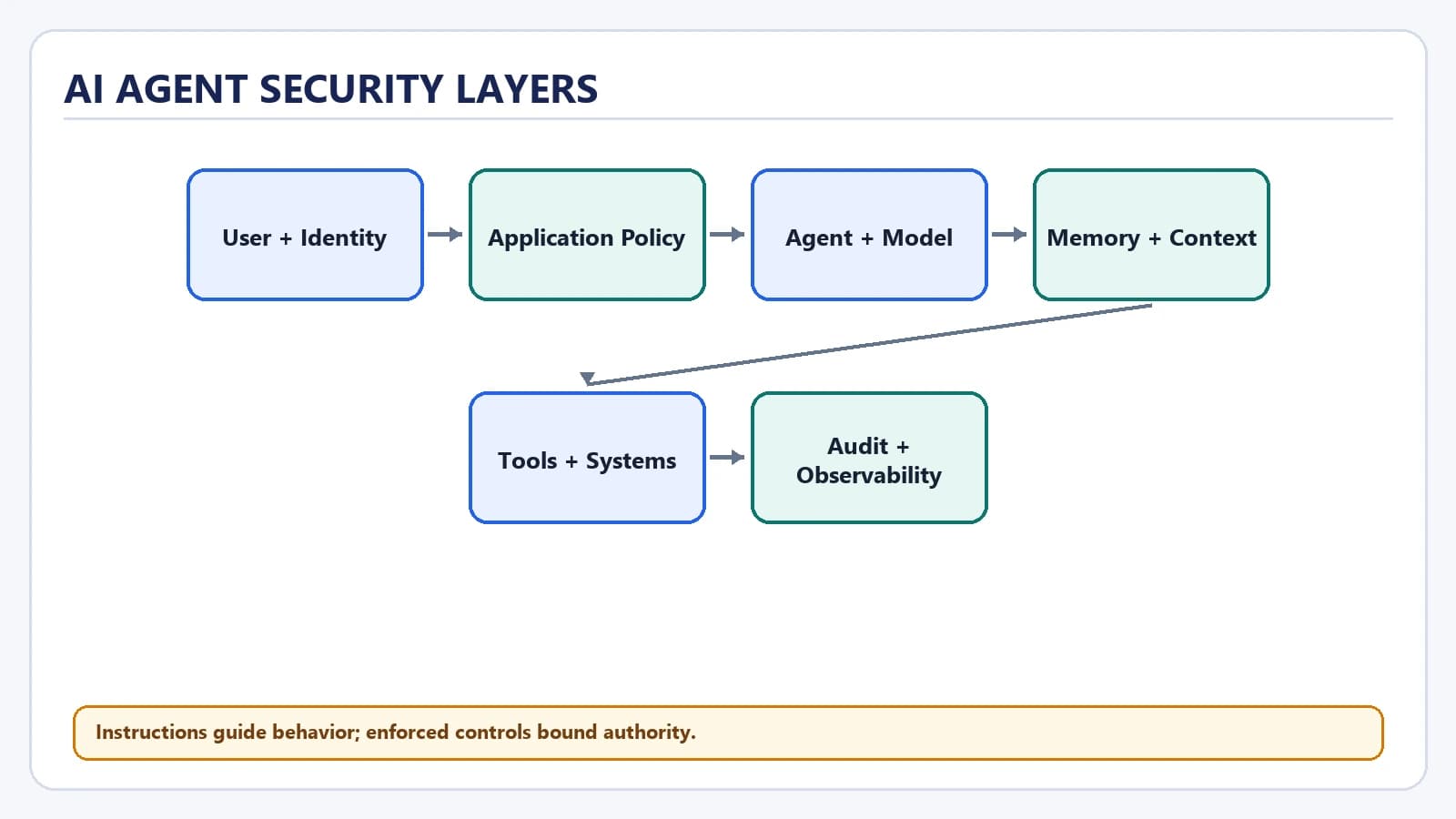
A practical, production-oriented explanation of the security model of an AI agent, with examples, boundaries, trade-offs, and failure handling patterns.
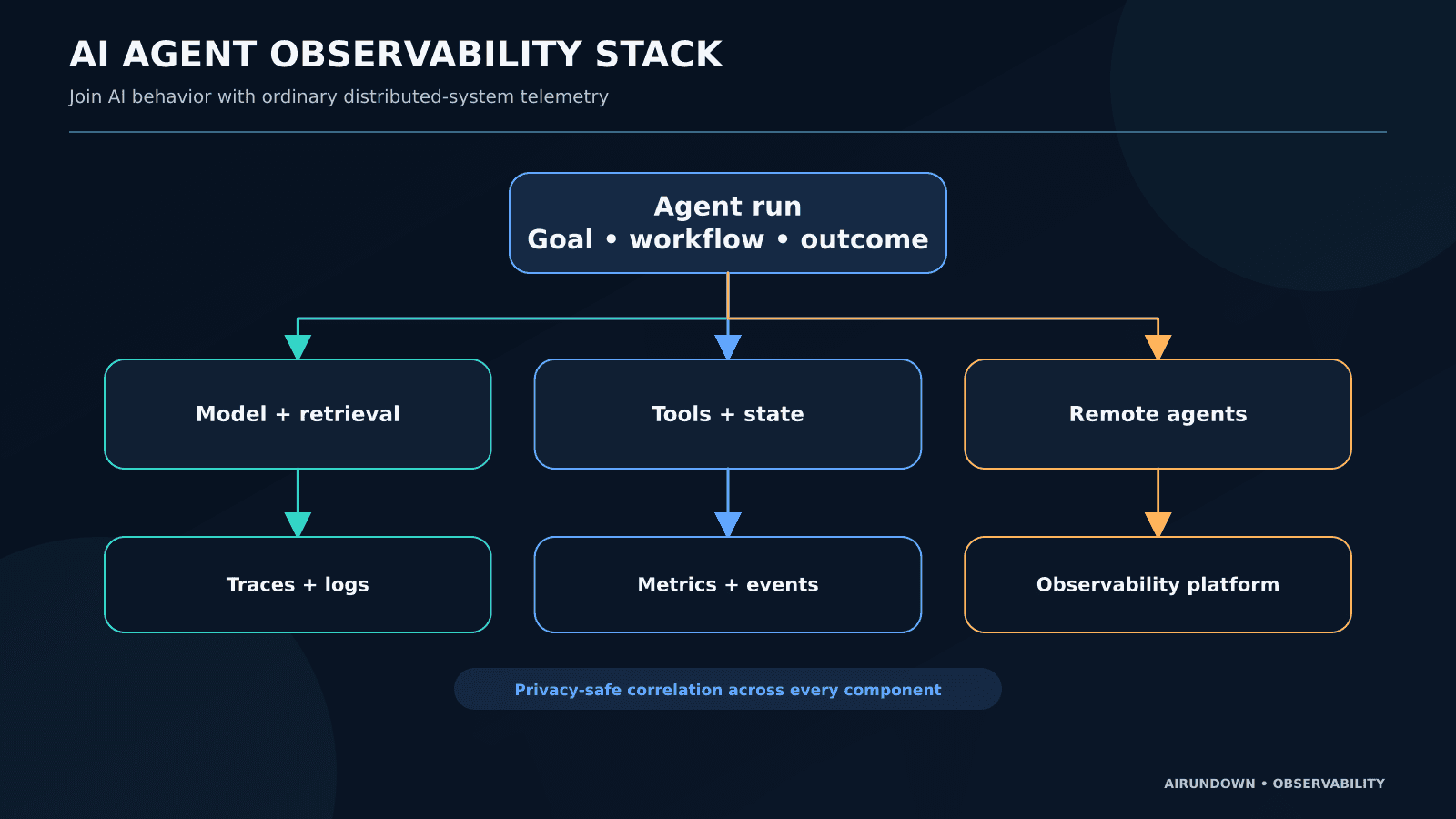
A production observability model for agent, model, retrieval, tool, sub-agent, and infrastructure signals—with privacy and redaction controls.
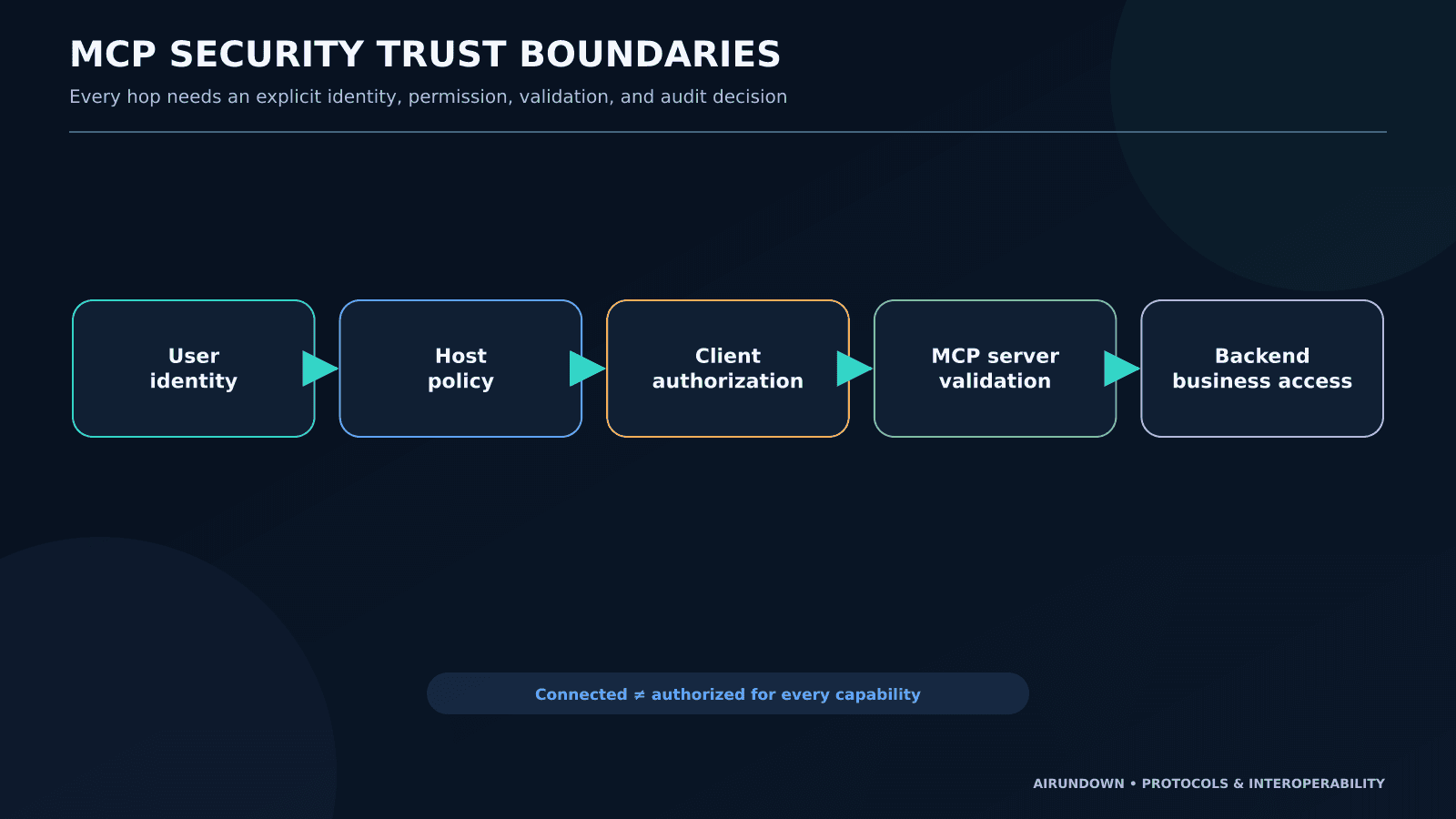
A practical security model for MCP trust boundaries, authorization, least privilege, approvals, external content, backend credentials, and auditability.
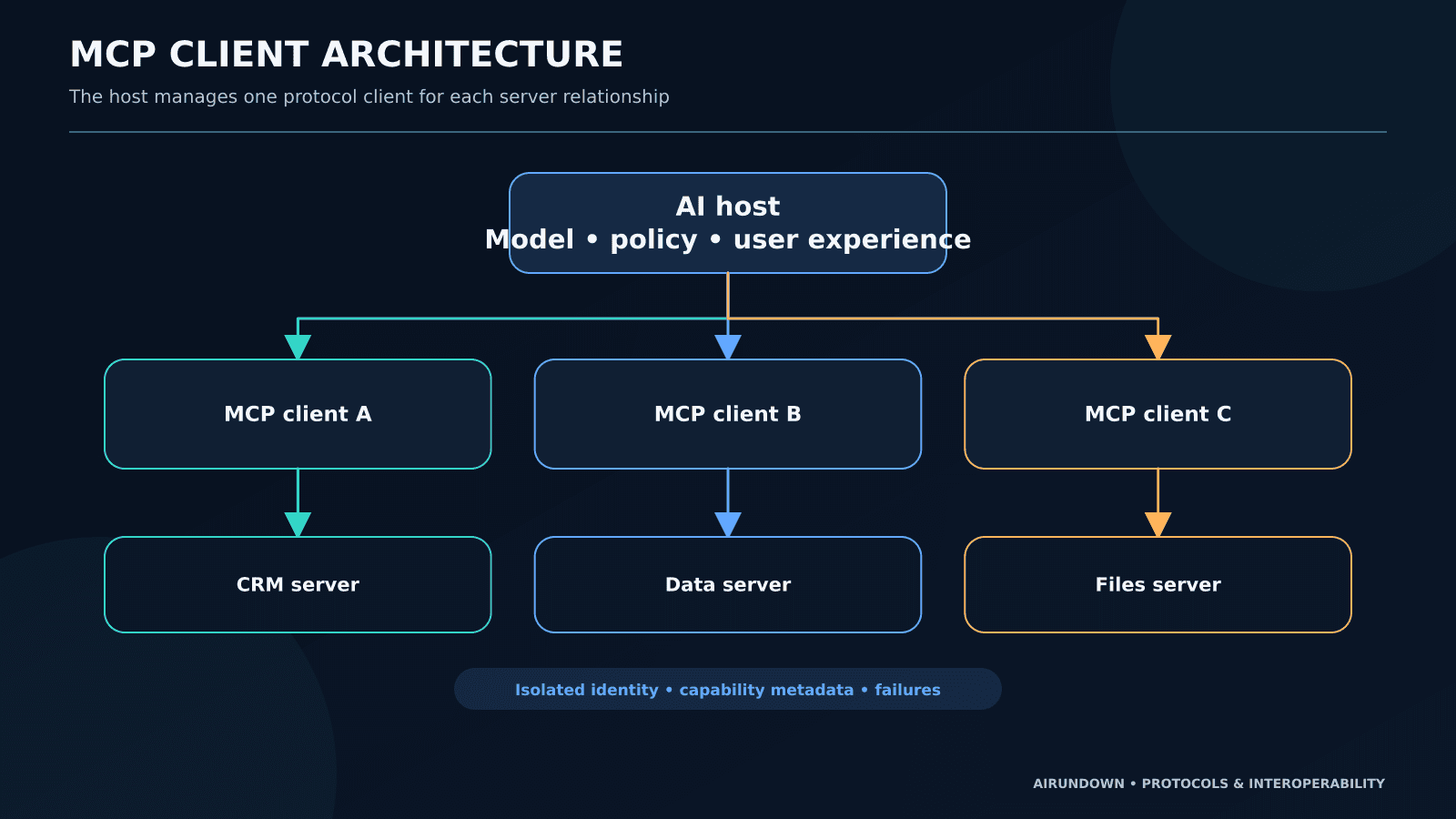
Understand how an MCP host manages dedicated clients, discovers server capabilities, applies policy, invokes operations, and handles failures.
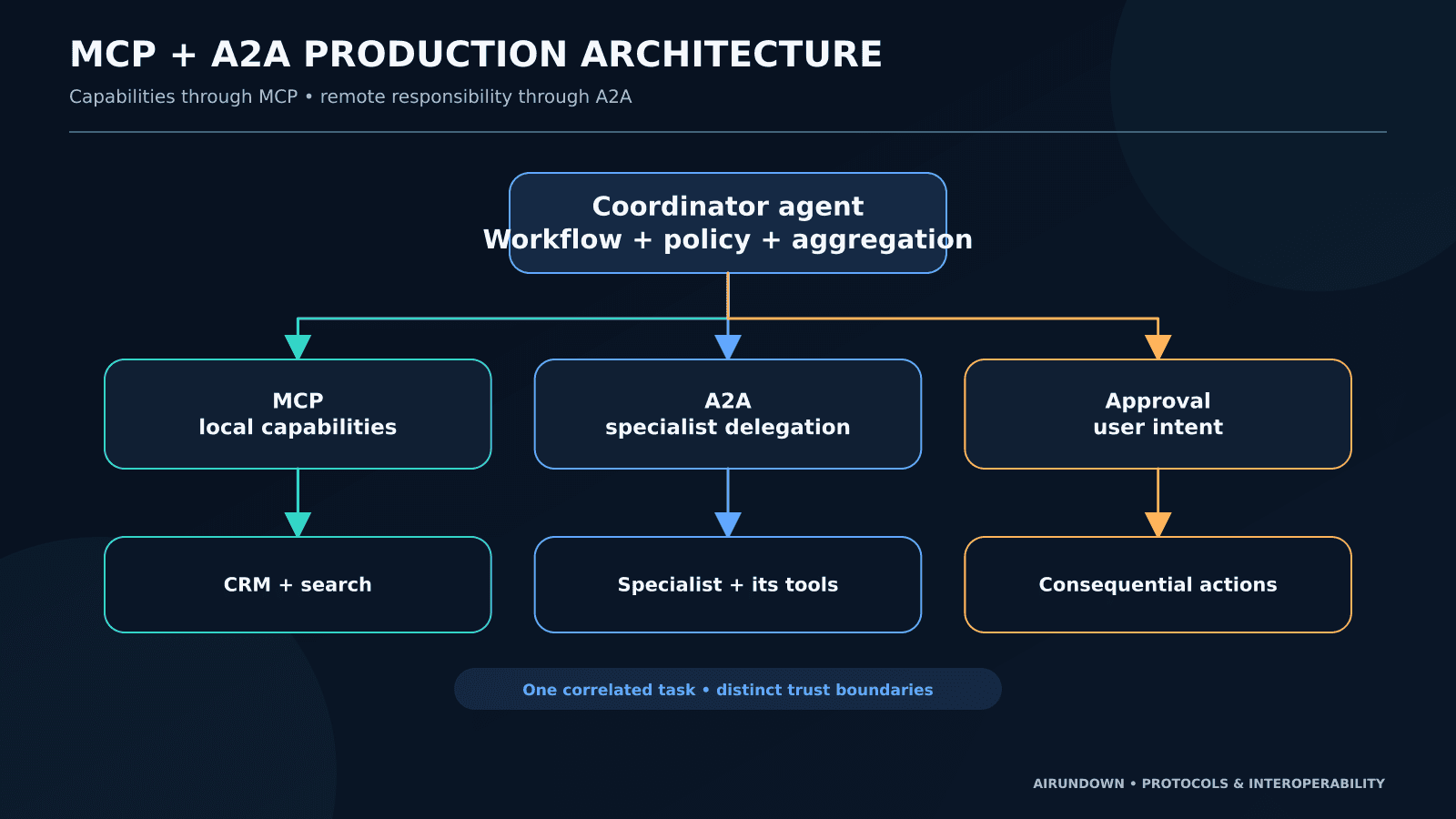
A production architecture for combining MCP capability access with A2A specialist delegation while preserving policy, identity, tracing, and failure boundaries.
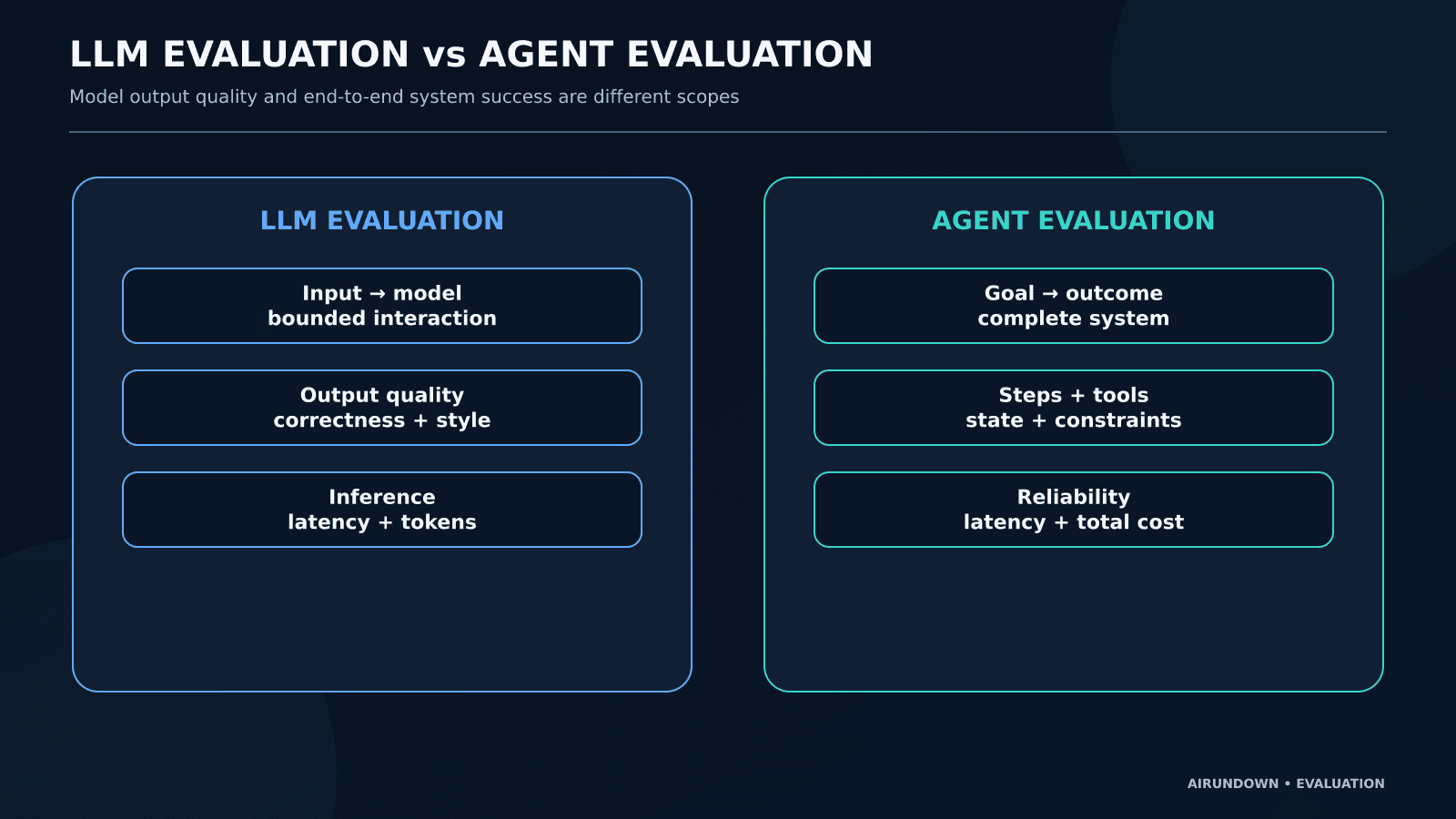
LLM evaluation scores model outputs; agent evaluation measures the whole goal-directed system, including tools, state, constraints, reliability, latency, and cost.
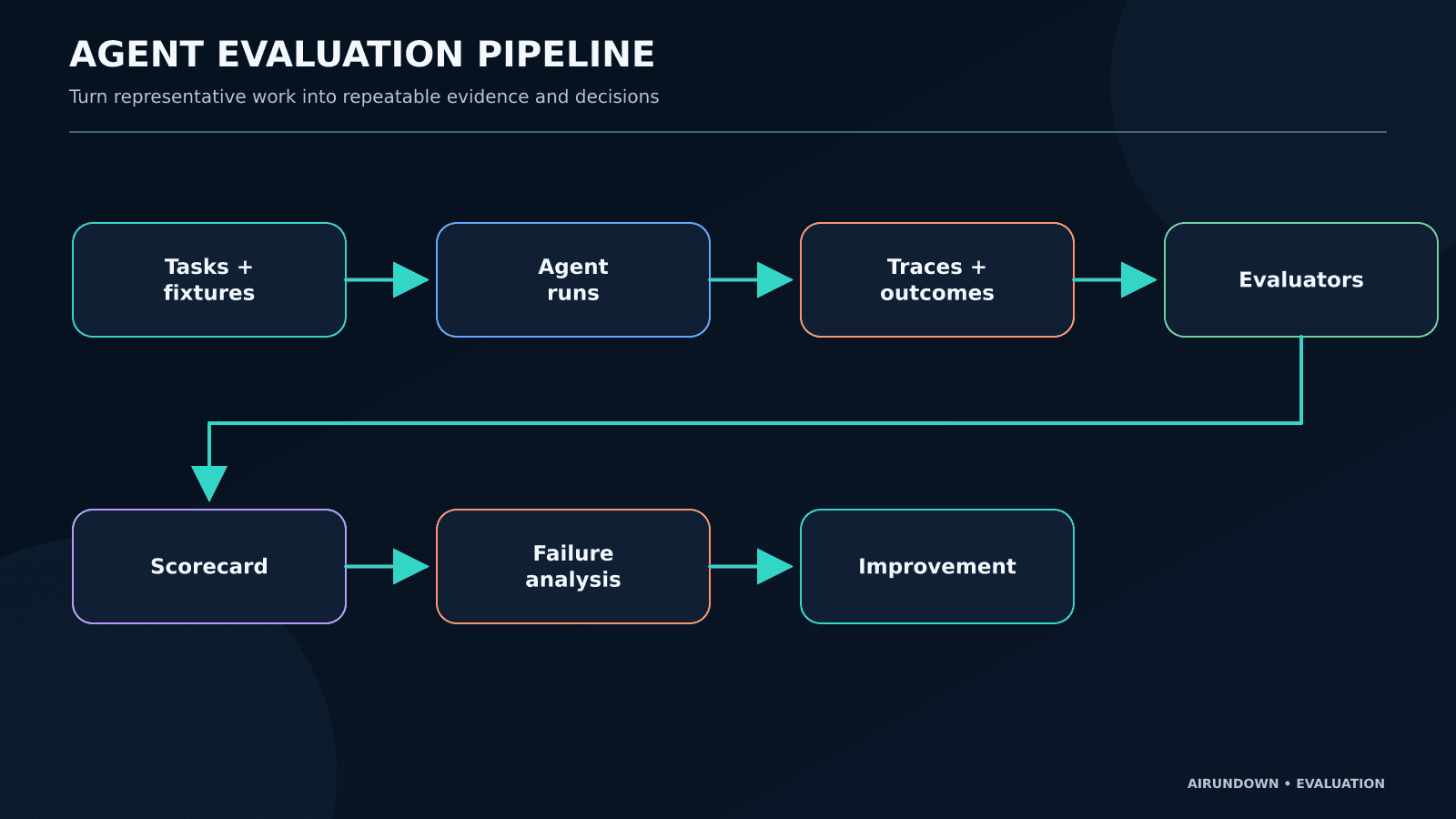
A practical workflow for defining agent success, building evaluation datasets, capturing traces, scoring behavior, analyzing failures, and preventing regressions.
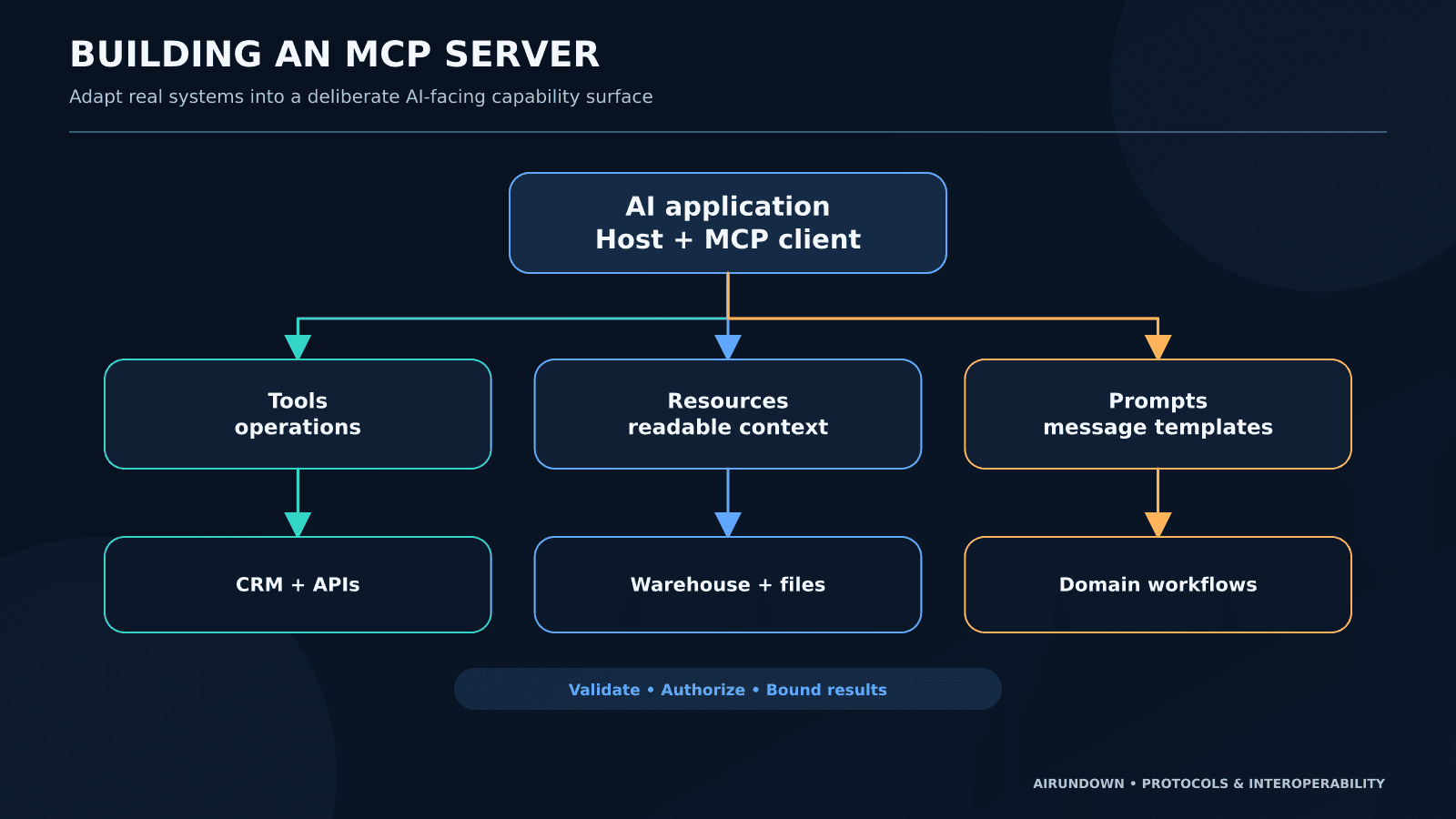
A framework-neutral tutorial for designing, implementing, testing, securing, and deploying an MCP server over real backend systems.
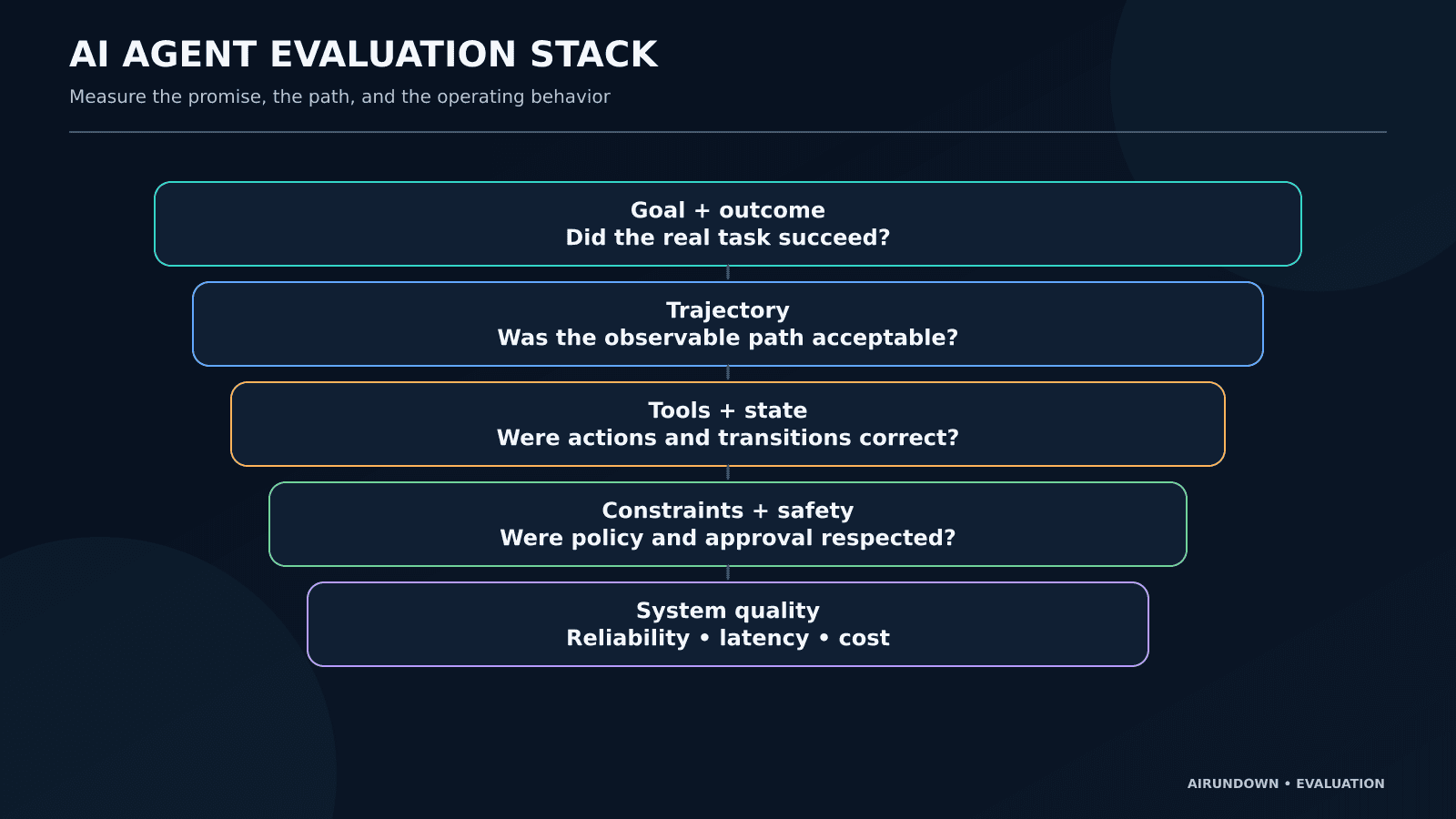
Agent evaluation measures task outcomes, trajectories, tool behavior, constraints, safety, reliability, latency, and cost—not only final prose.
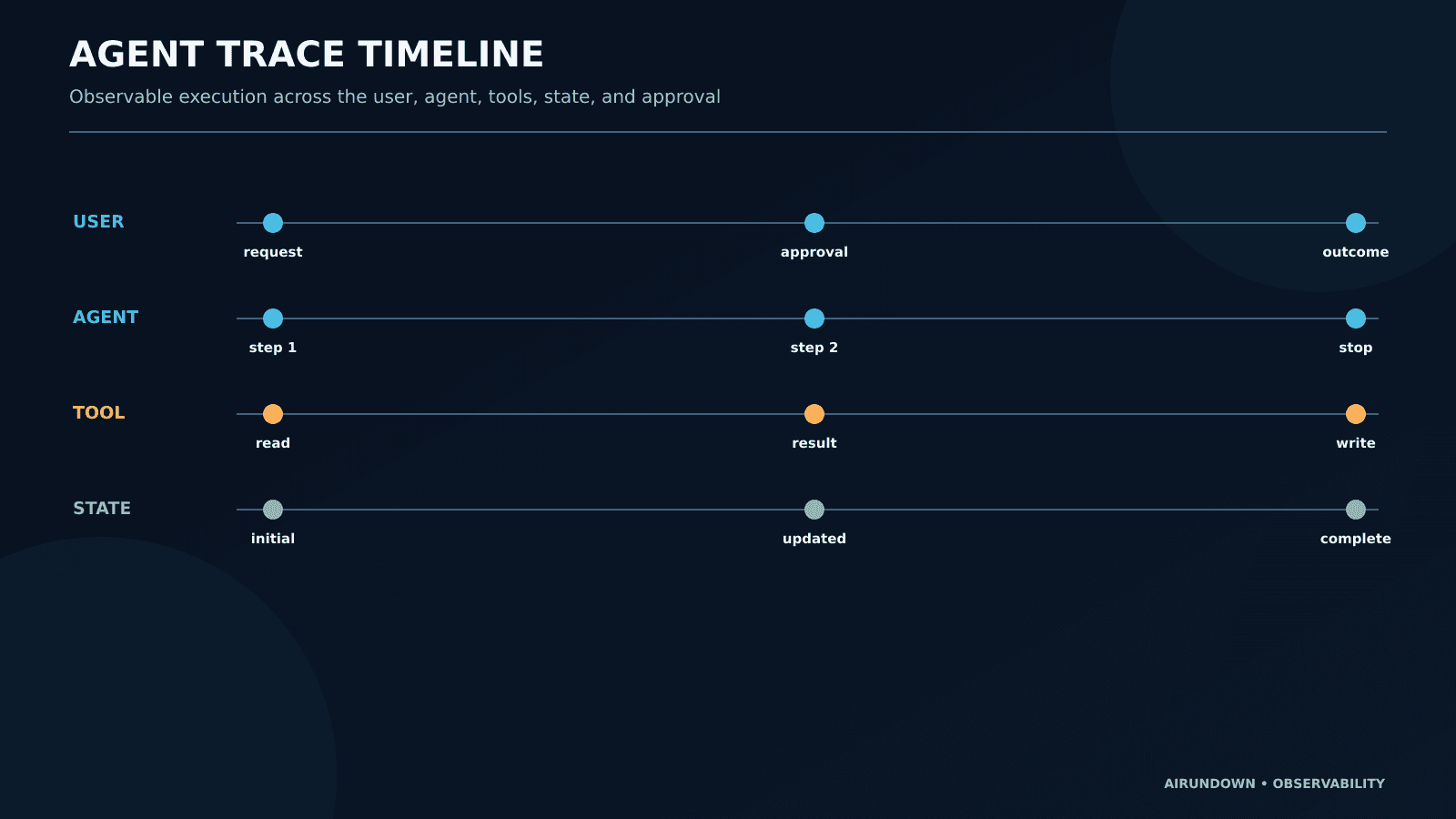
Learn how traces and trajectories represent observable agent execution without requiring storage or exposure of private chain-of-thought.
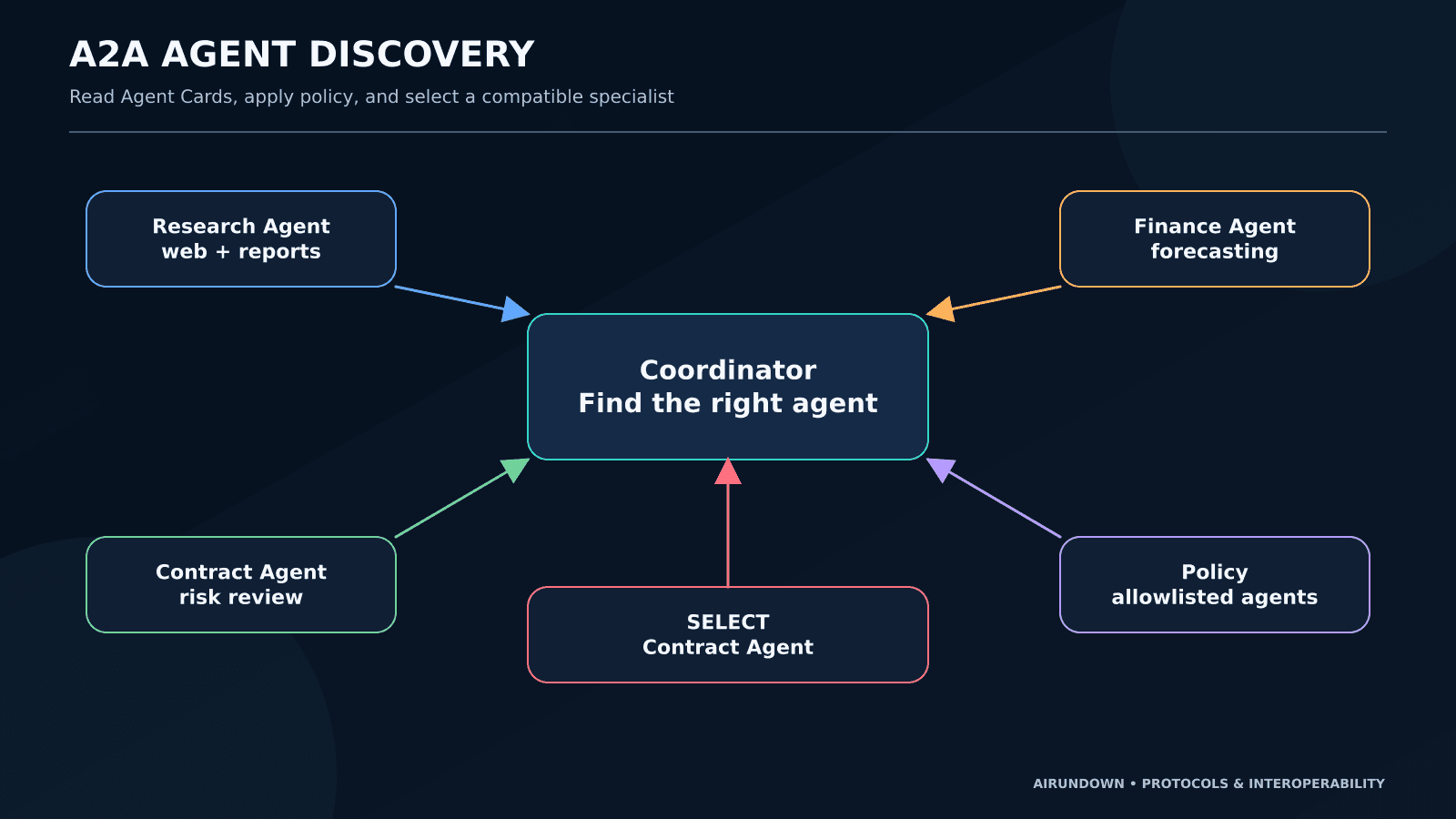
Learn how A2A clients discover remote agents, read Agent Cards, match skills and interfaces, evaluate suitability, and begin an interaction.
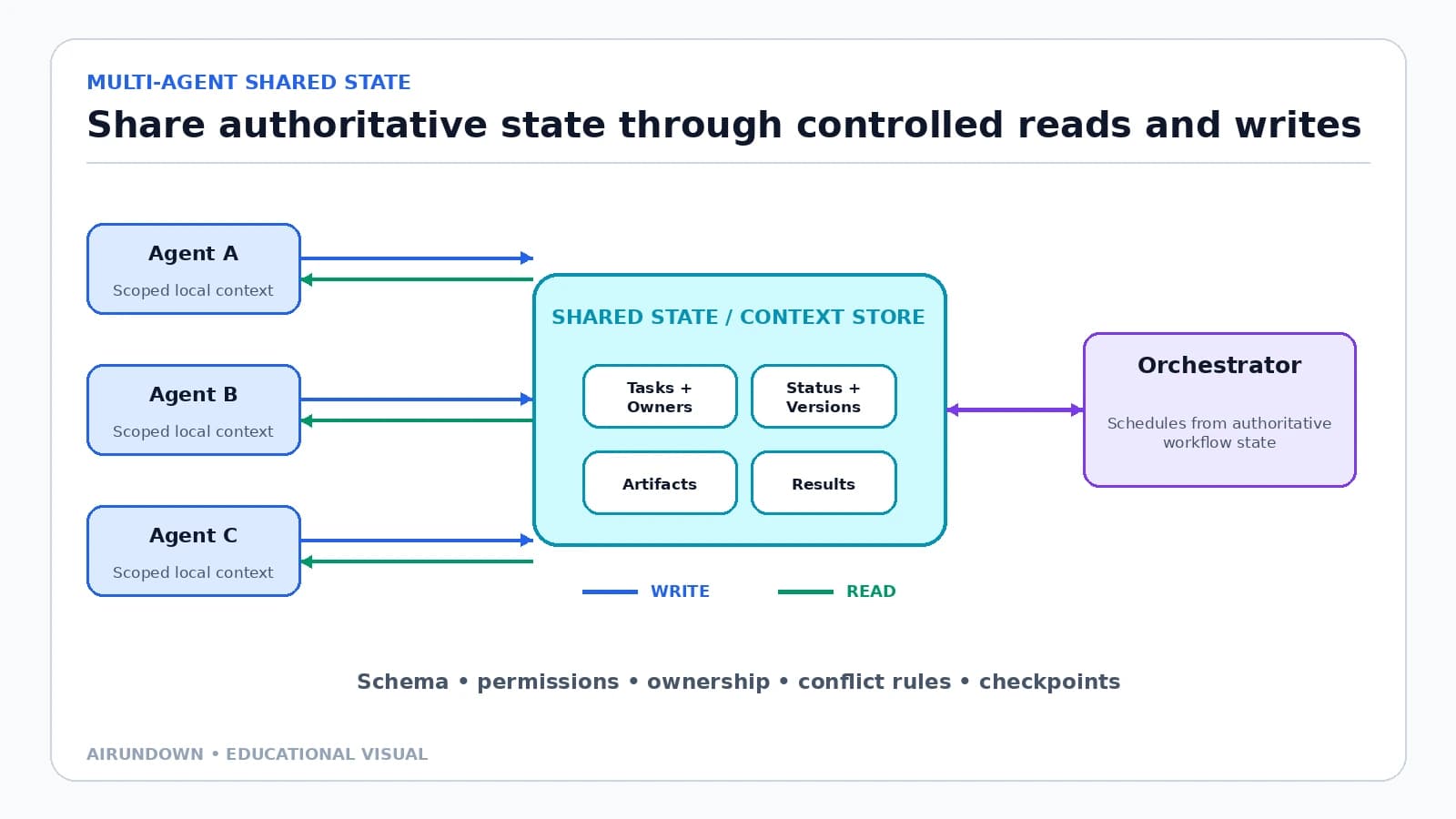
Learn how multi-agent systems separate local context from shared workflow state, exchange artifacts, synchronize updates, persist checkpoints, and avoid state conflicts.
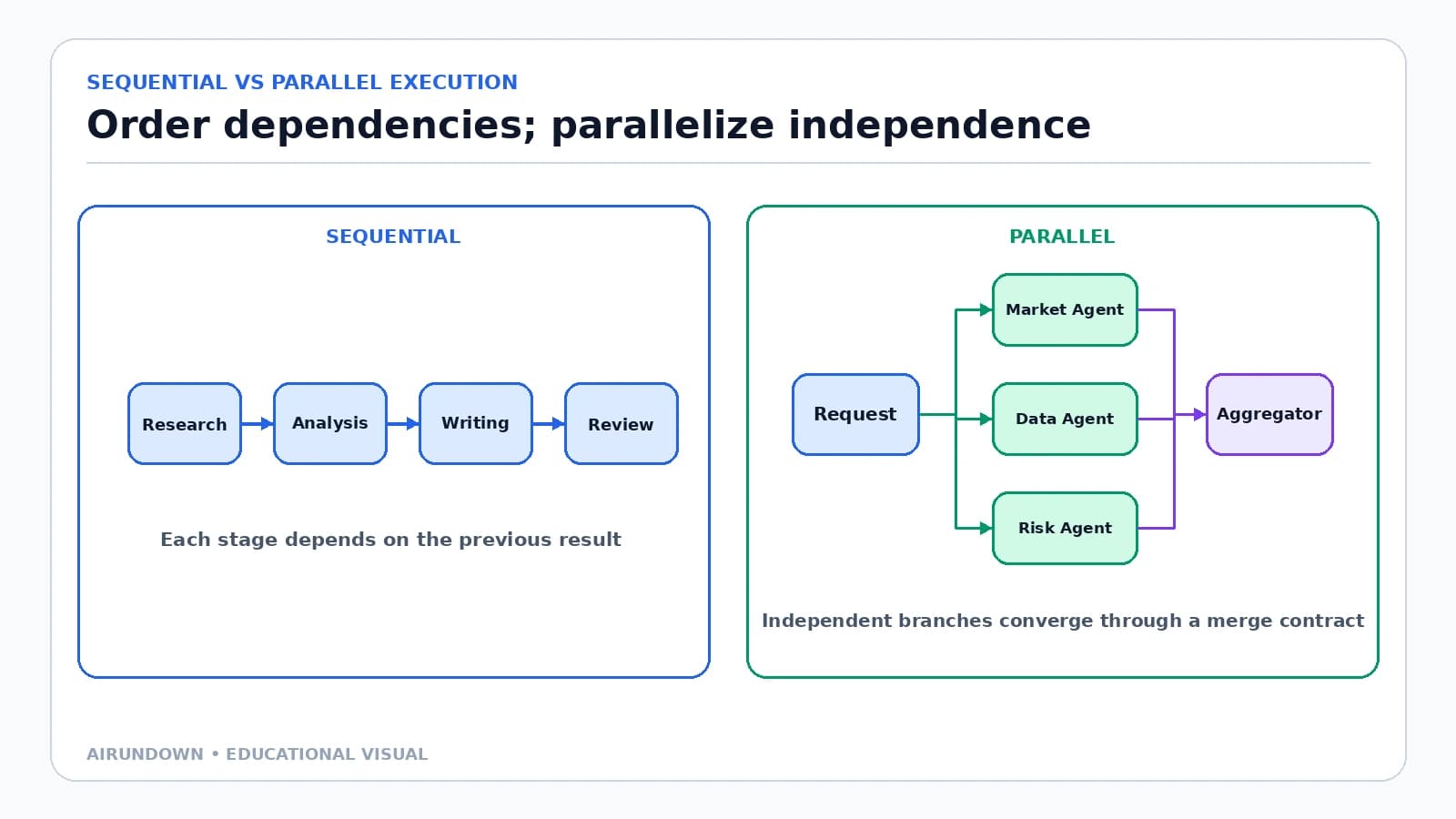
Compare sequential, parallel, and hybrid agent execution by dependencies, latency, cost, state transfer, synchronization, aggregation, and failure handling.
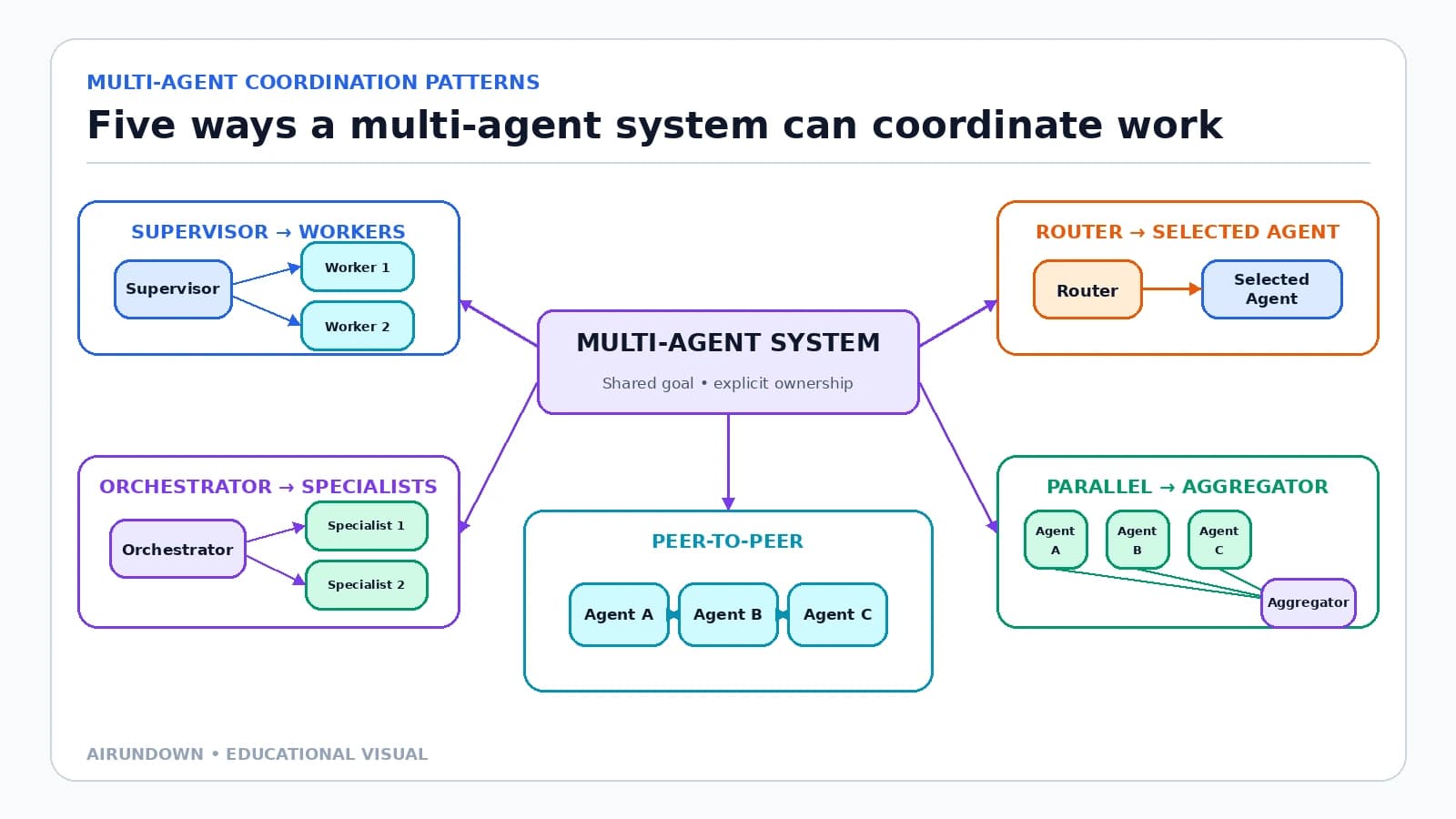
Learn seven practical multi-agent coordination patterns and how they manage roles, ownership, state, handoffs, aggregation, conflicts, and stopping.
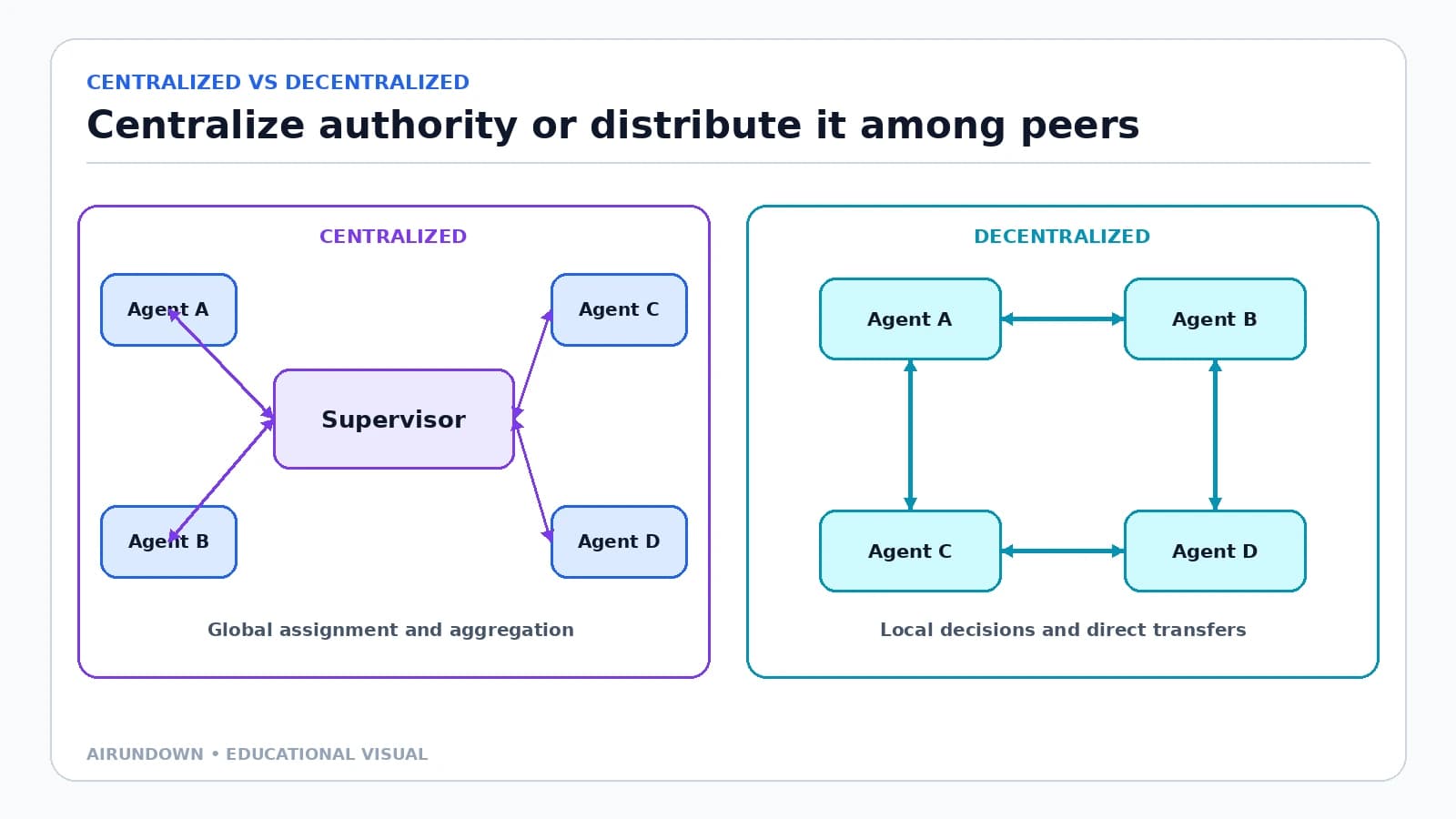
Compare centralized, decentralized, and hybrid multi-agent architectures across control, state, coordination, scale, observability, governance, and resilience.
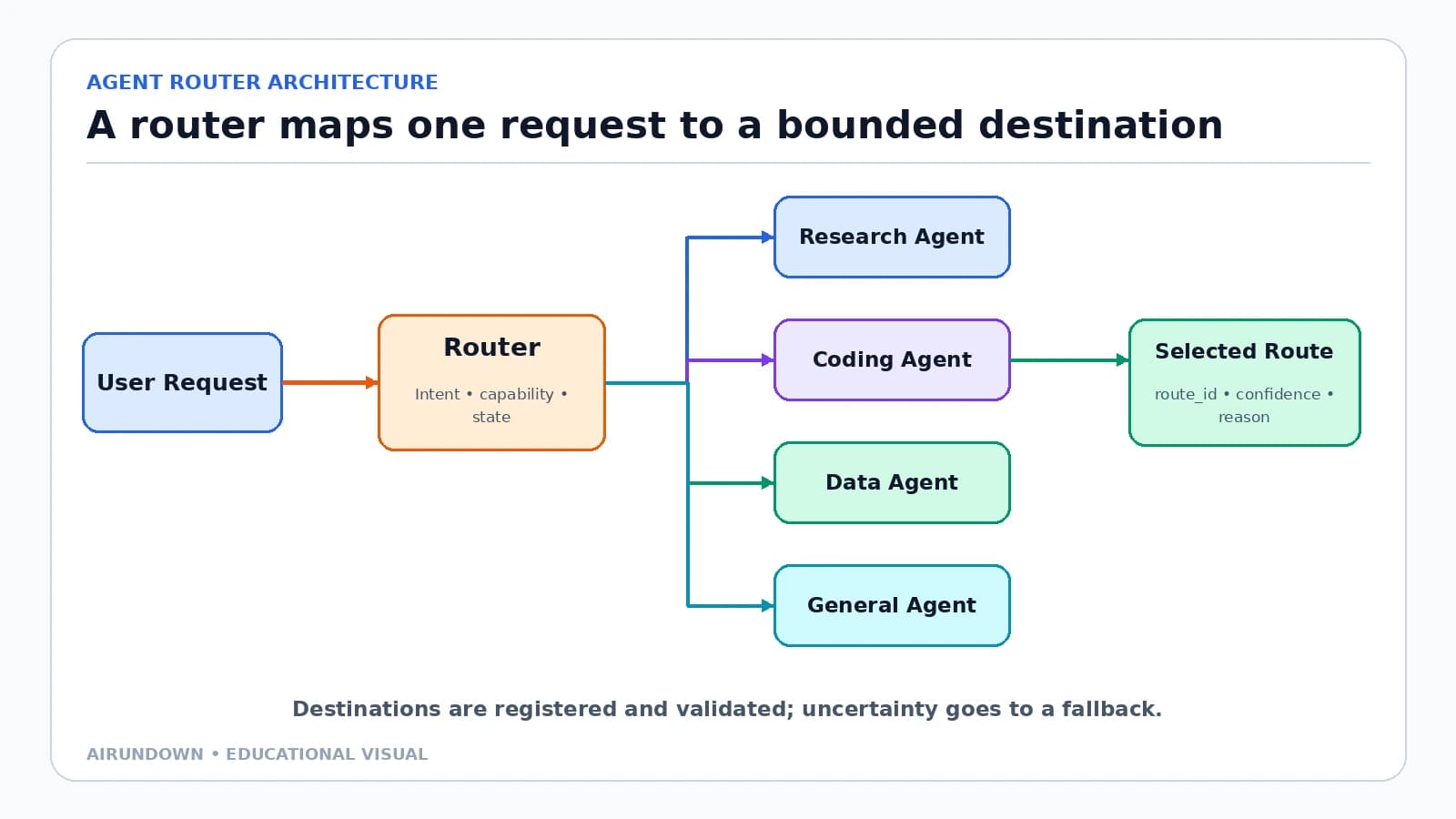
Learn seven agent-routing patterns, from deterministic rules and classifiers to semantic, capability-aware, hierarchical, and fallback routing.
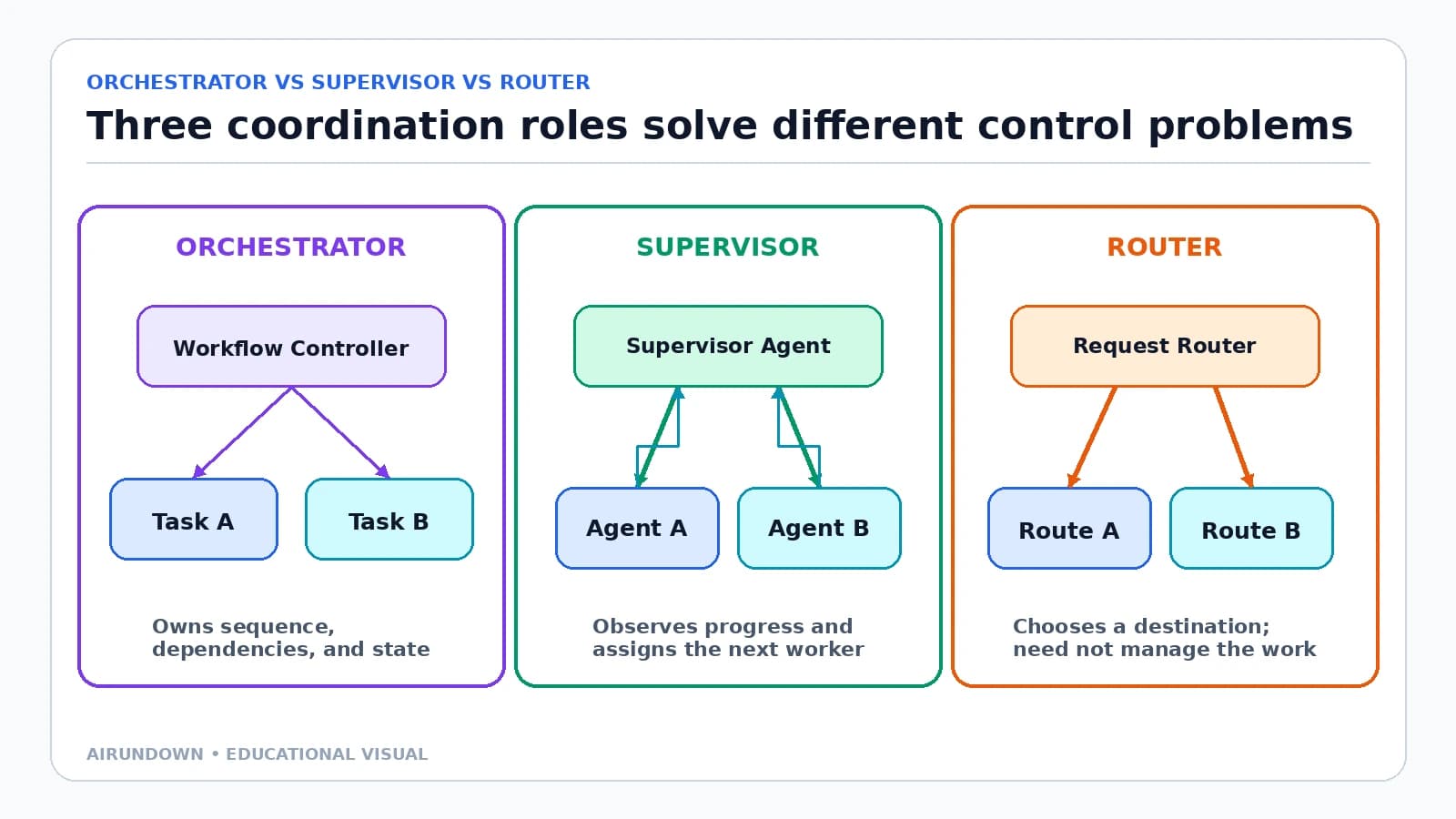
Compare orchestrators, supervisor agents, and routers by purpose, decision ownership, state responsibility, delegation, routing, and workflow control.
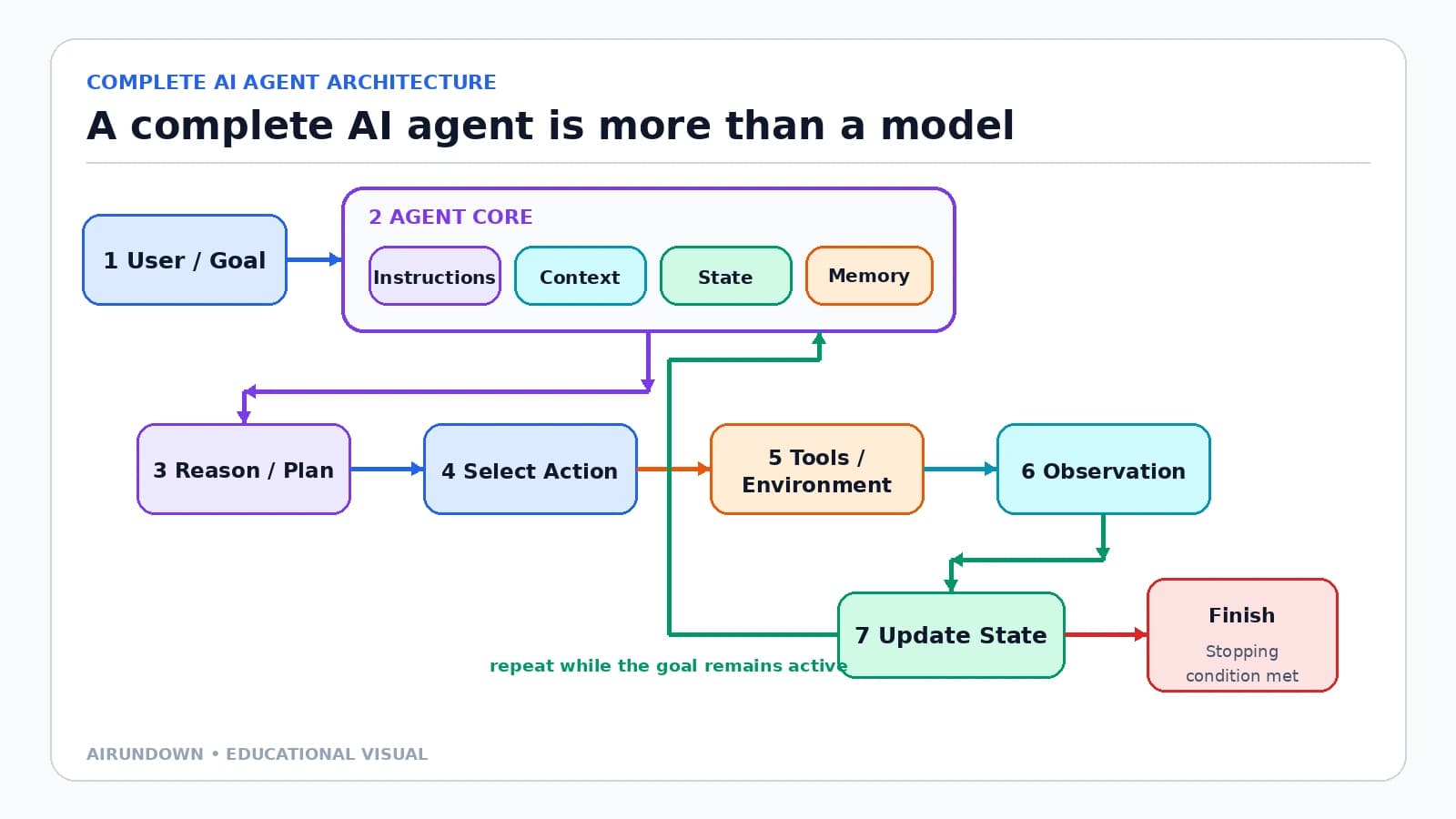
Understand modern AI-agent architecture from goals and instructions through reasoning, tools, observations, state updates, guardrails, and stopping.
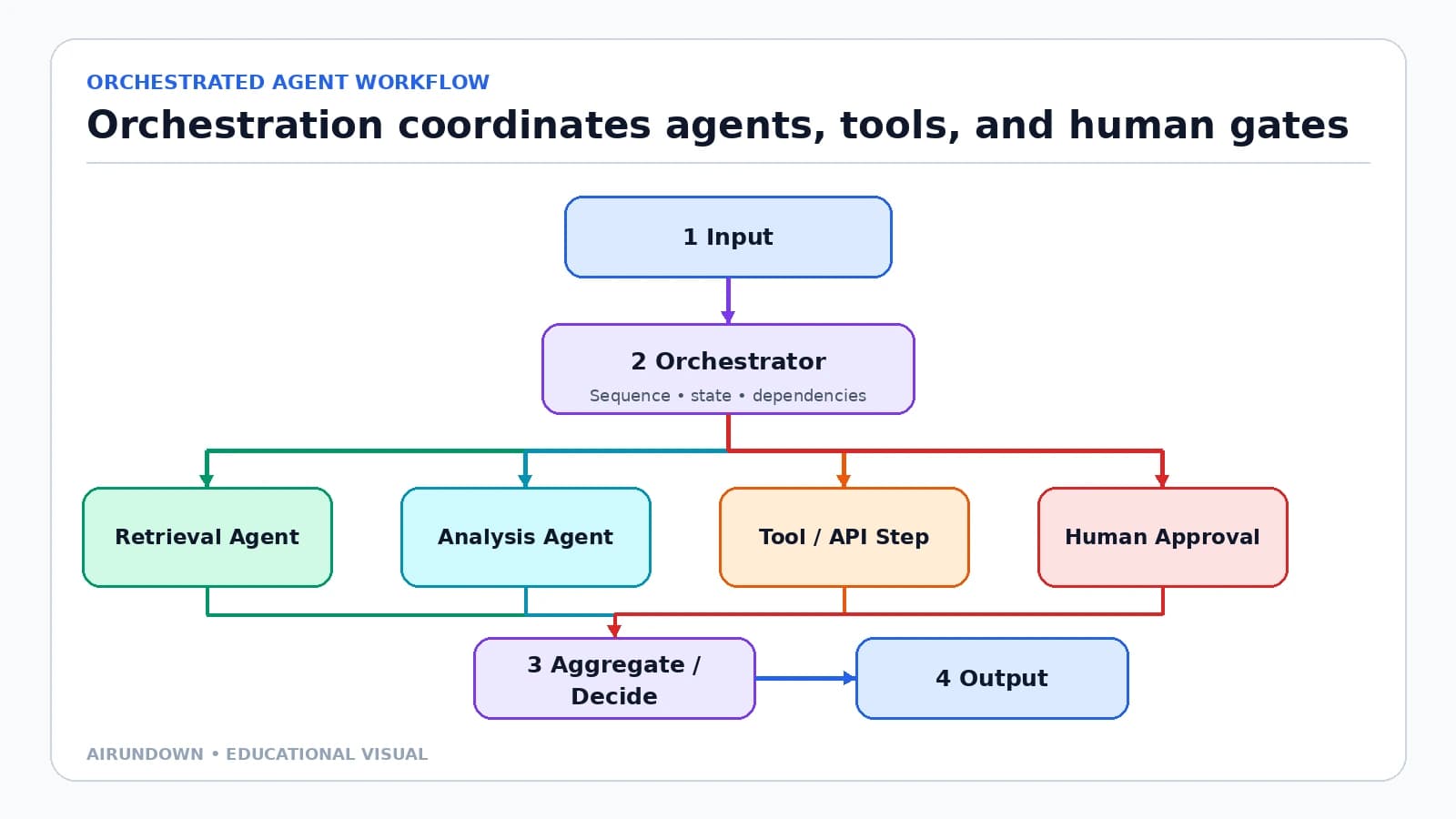
Learn how agent workflows and orchestration coordinate steps, dependencies, branches, parallel work, retries, checkpoints, tools, agents, and humans.
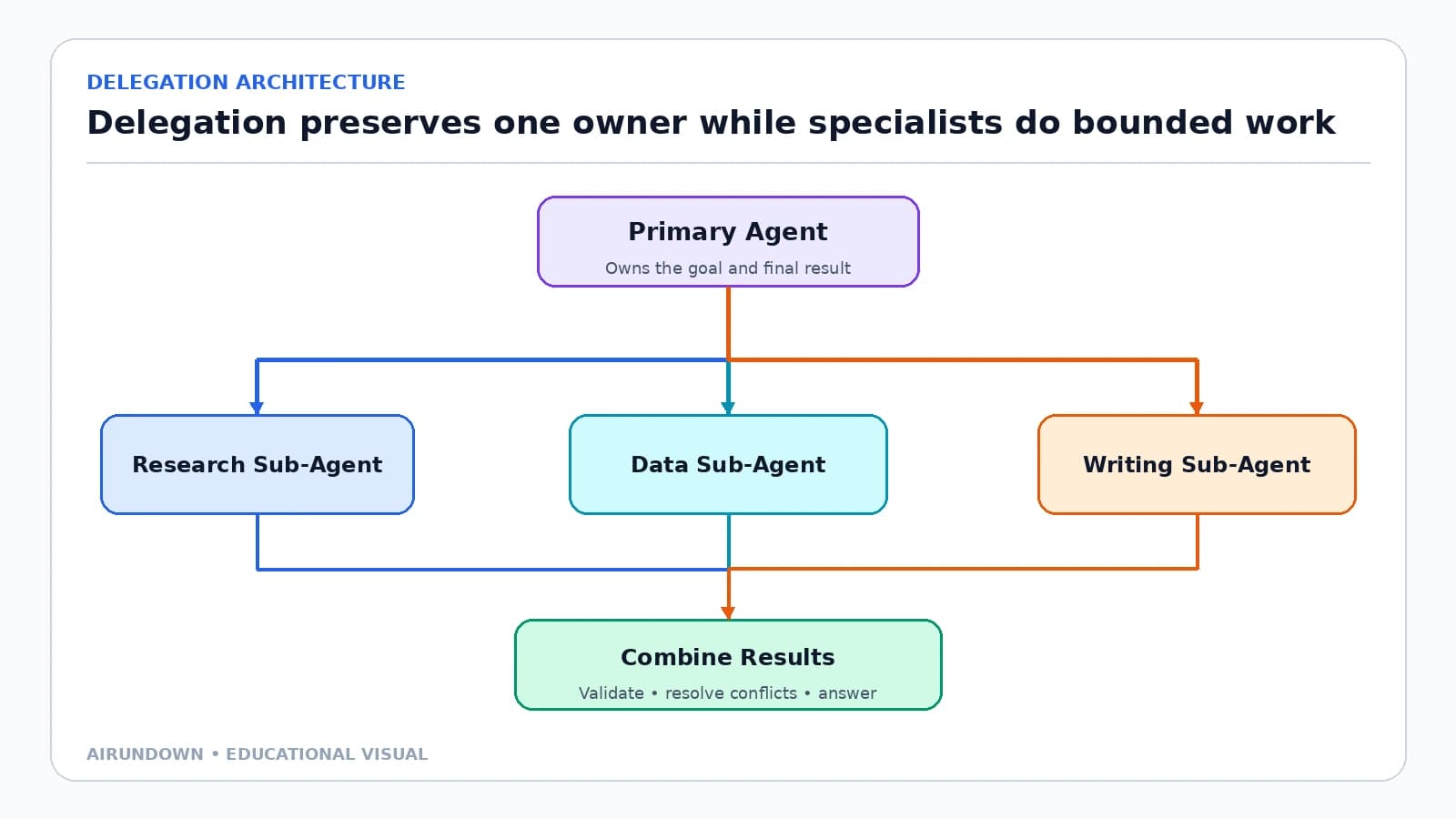
Learn how delegation, handoffs, and sub-agents divide work while preserving task ownership, context, state, permissions, and reliable result contracts.
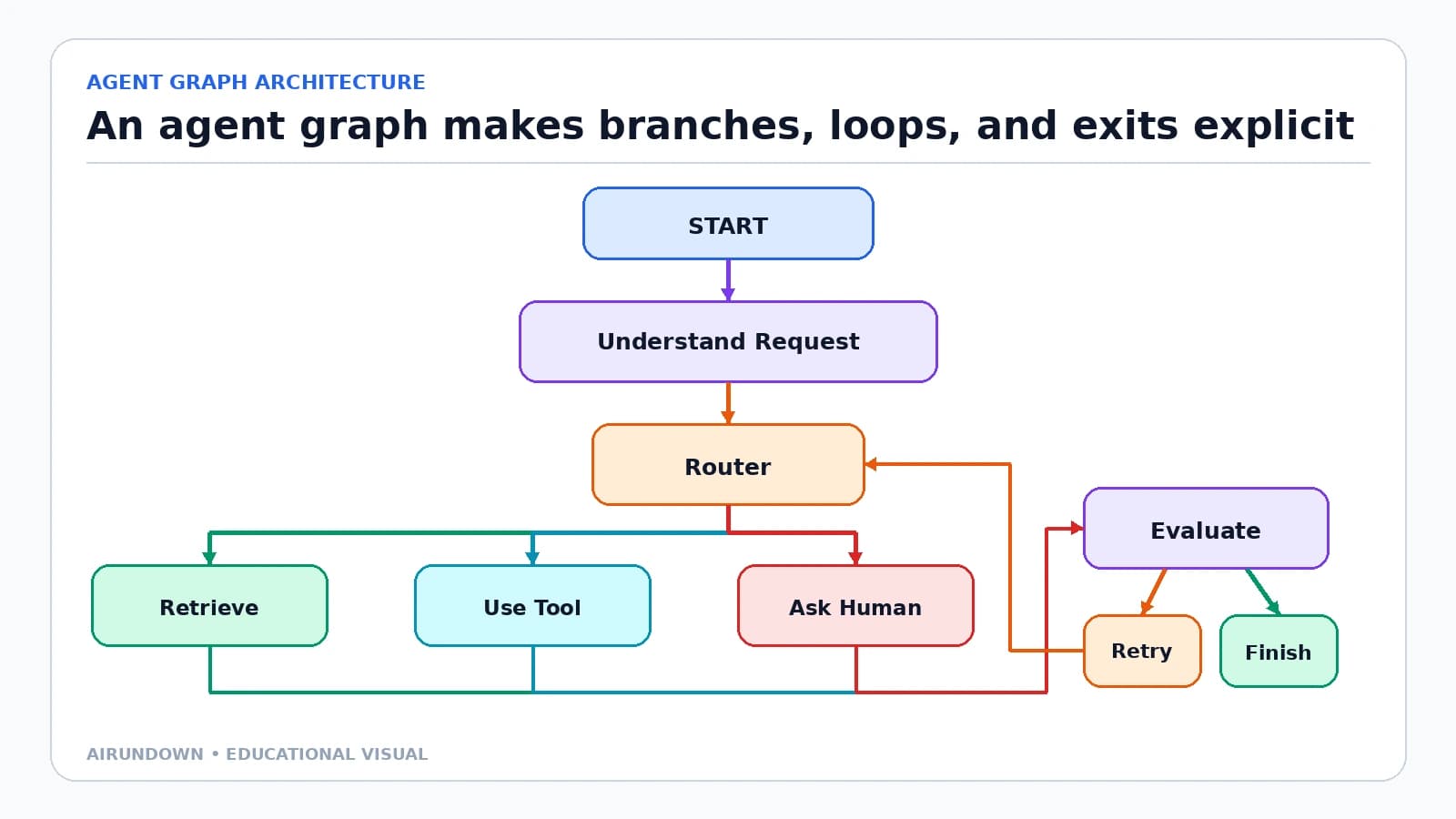
Learn how agent graphs and state machines make nodes, edges, branches, loops, checkpoints, transitions, retries, and terminal outcomes explicit.
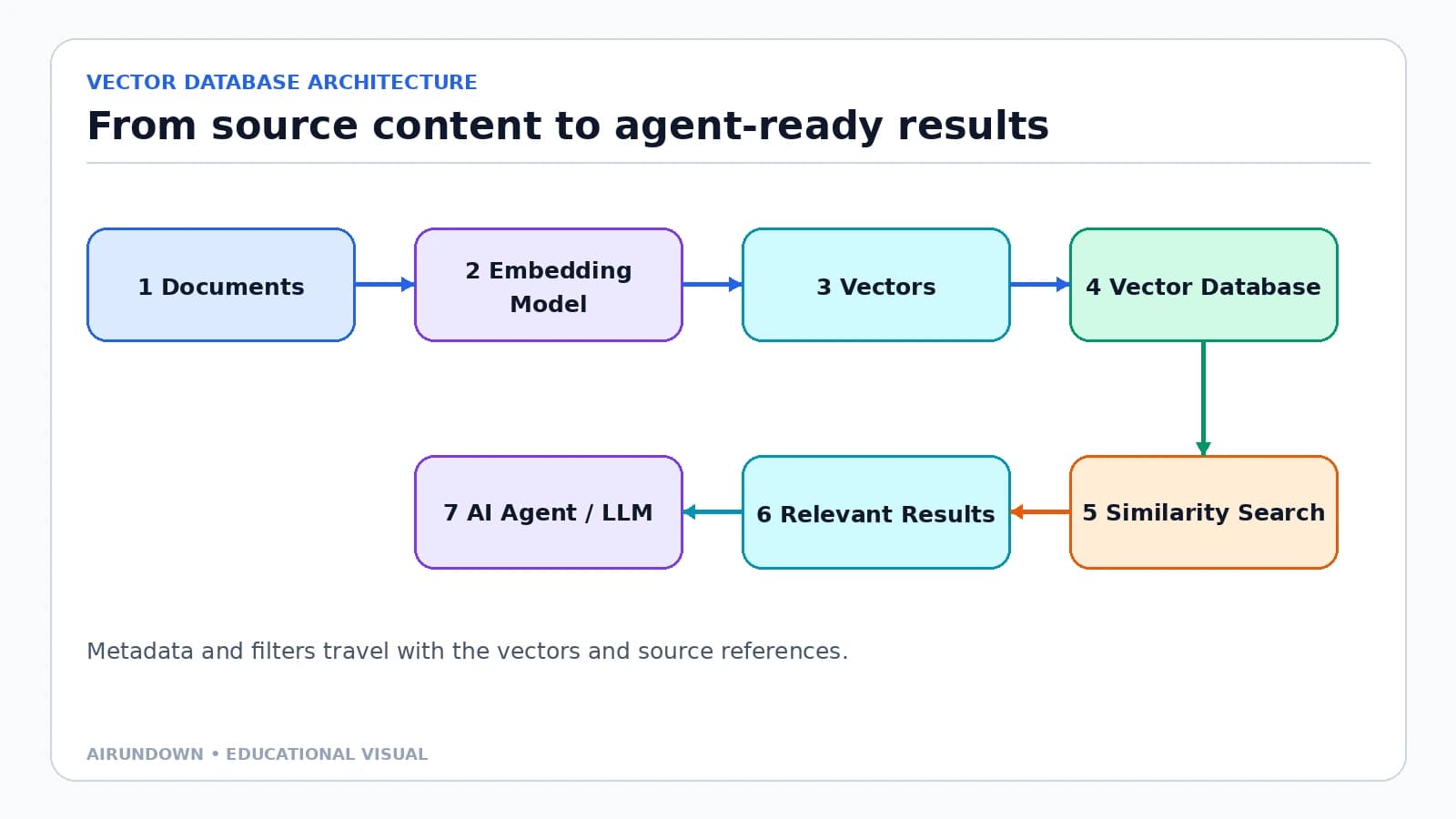
Learn how vector databases store embeddings, power semantic search, and support RAG and memory without replacing a knowledge base or relational database.
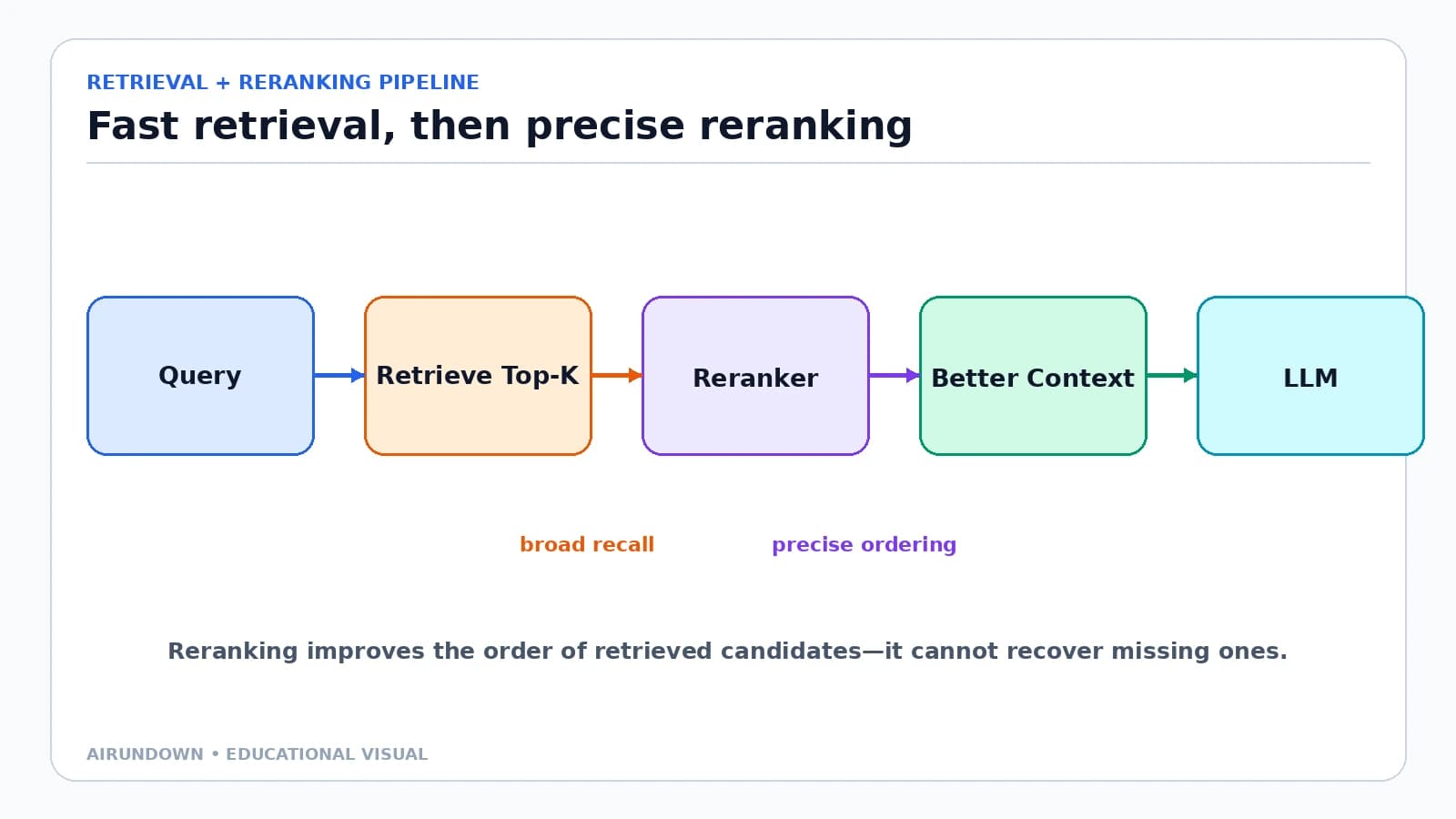
Learn why RAG pipelines rerank retrieved candidates, how cross-encoders and other methods improve ordering, and what reranking cannot fix.
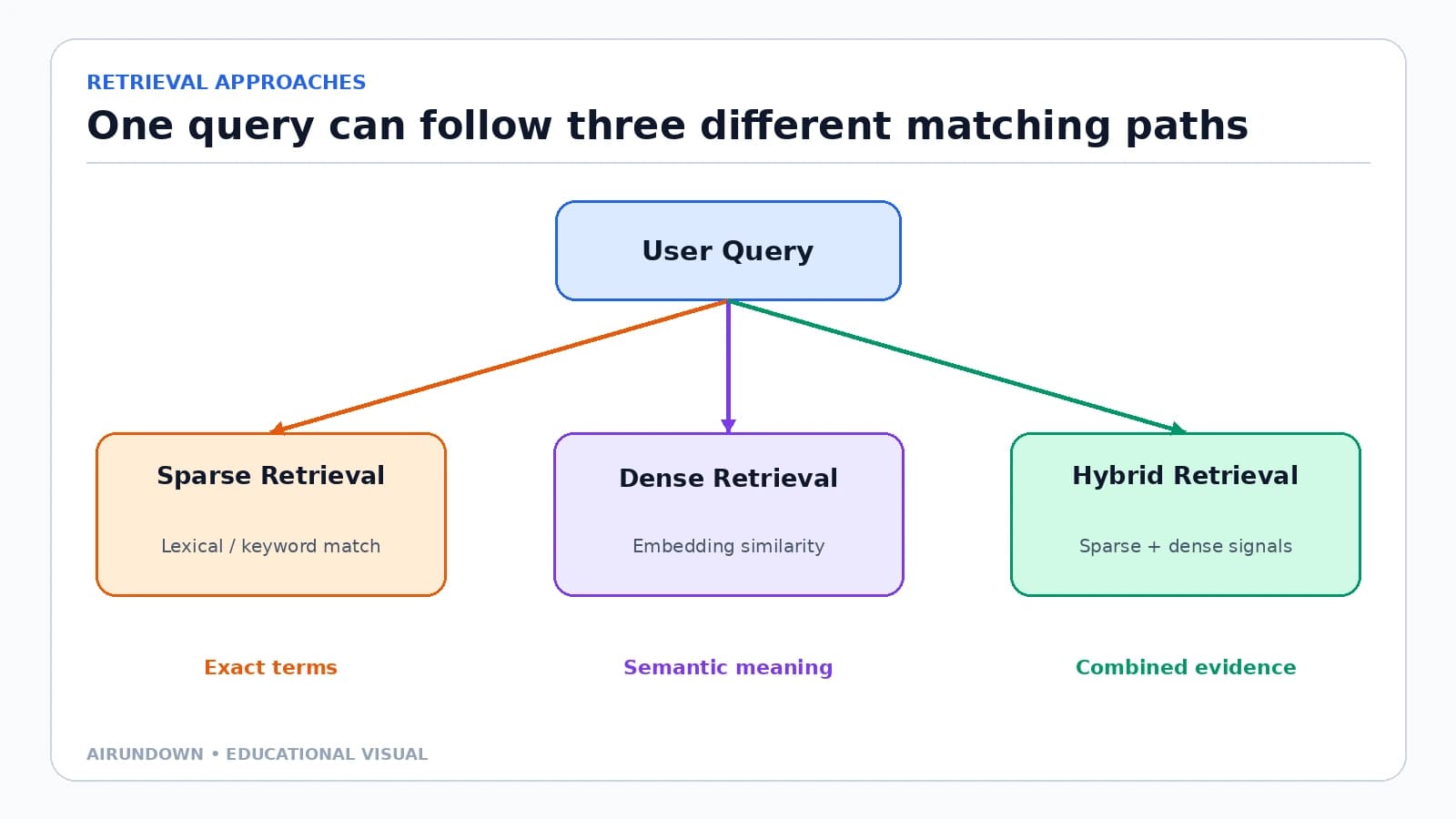
Compare sparse, dense, and hybrid retrieval by matching signal, strengths, failure modes, fusion methods, and the evidence needed to choose a RAG baseline.
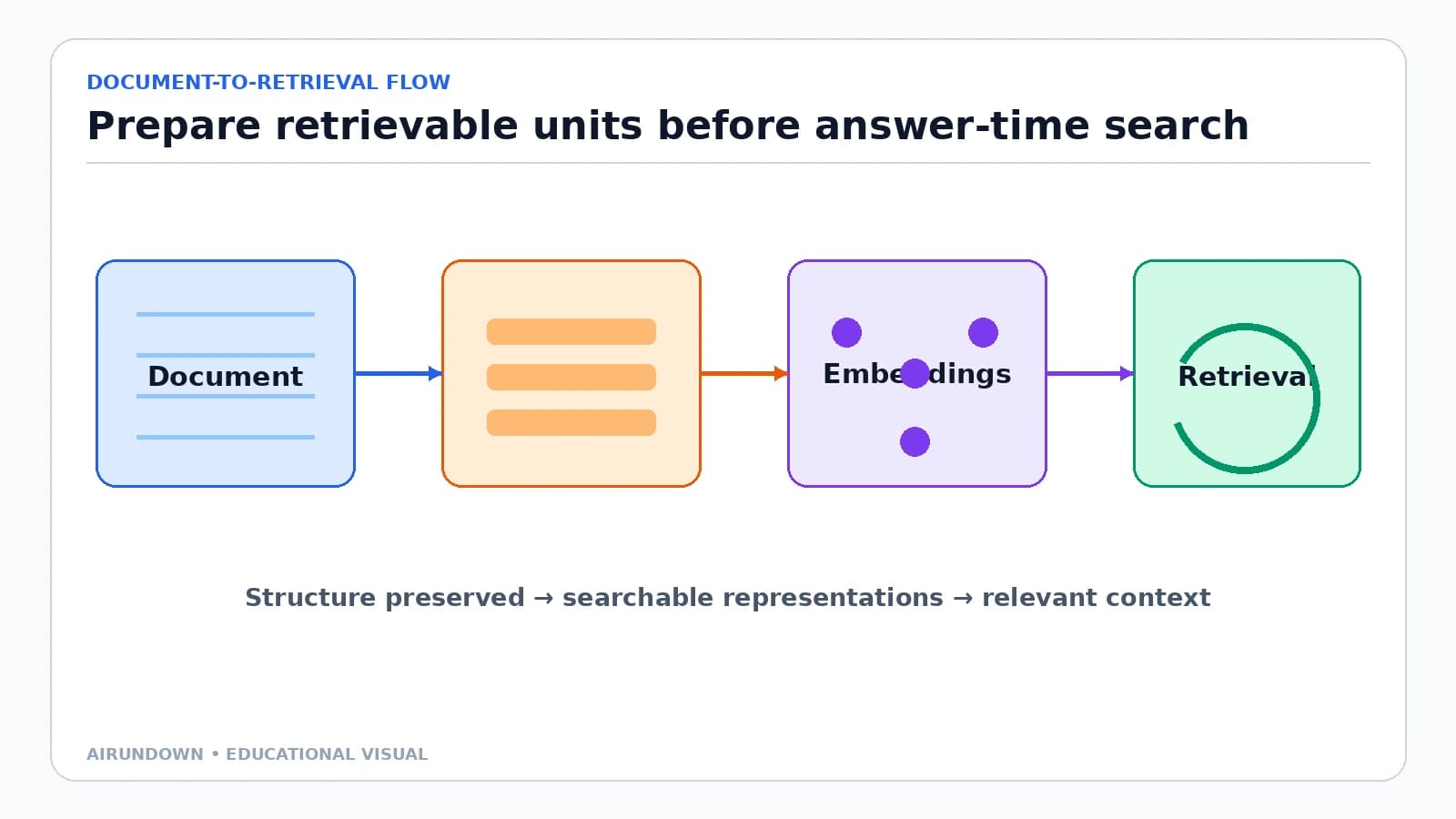
Compare fixed-size, recursive, semantic, and document-aware chunking for RAG, with practical guidance on chunk size, overlap, metadata, and evaluation.
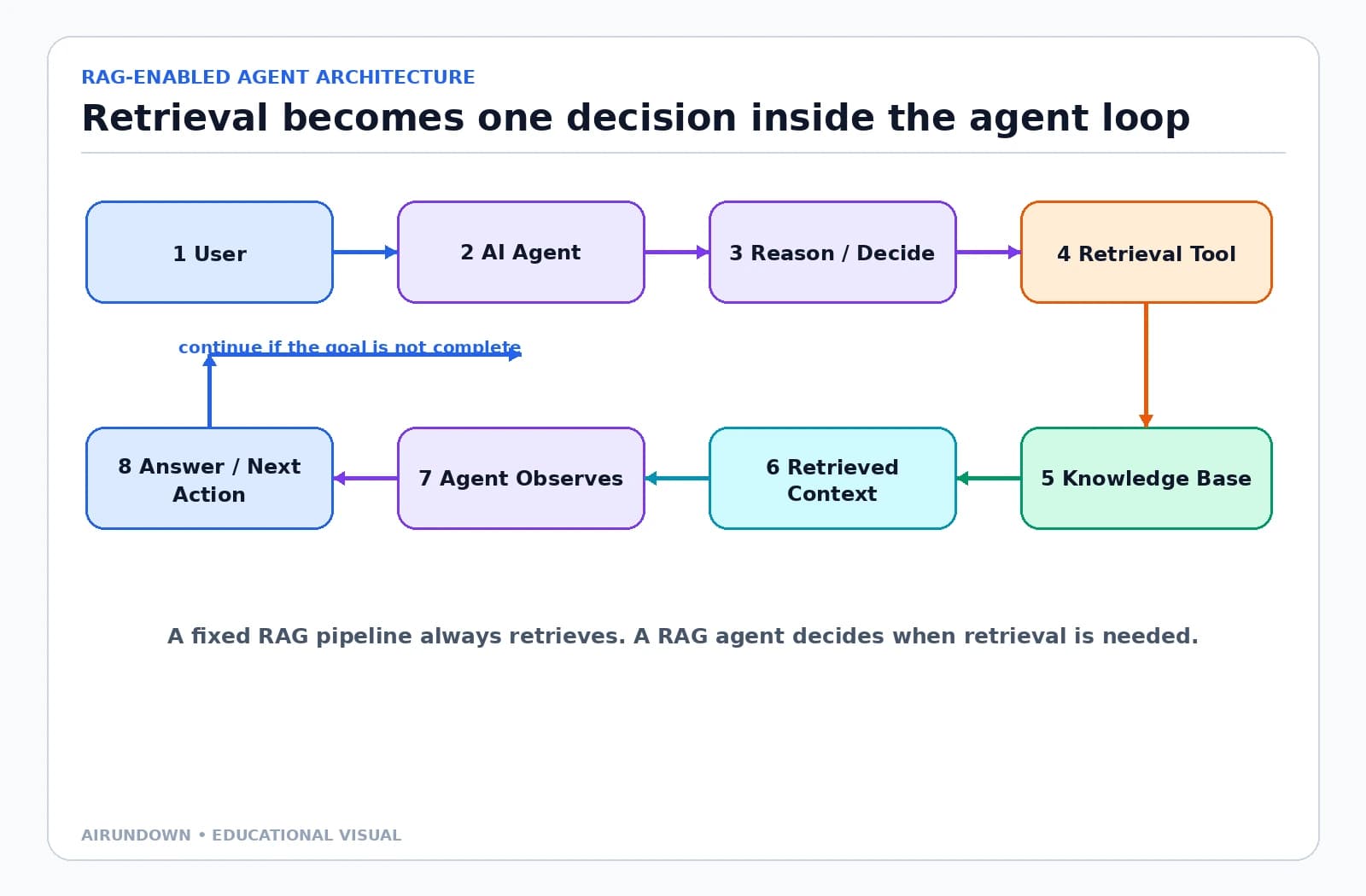
Build a framework-neutral RAG agent with a controlled retrieval tool, attributable evidence, bounded loops, citation checks, traces, and layered evaluation.
A beginner-friendly mental model of embeddings, vectors, similarity, and how AI agents use them for retrieval and memory without confusing similarity with truth.
A practical comparison of external knowledge retrieval and agent memory, including their overlap, different data lifecycles, and shared vector infrastructure.
A decision-focused comparison of RAG knowledge retrieval and AI-agent execution, including when a simple RAG pipeline is enough and when an agent is justified.
A practical introduction to retrieval-augmented generation, why external knowledge matters, and where RAG fits beside fine-tuning, memory, and AI agents.
A step-by-step guide to the complete RAG pipeline, from document chunking and indexing through retrieval, reranking, context construction, and grounded generation.
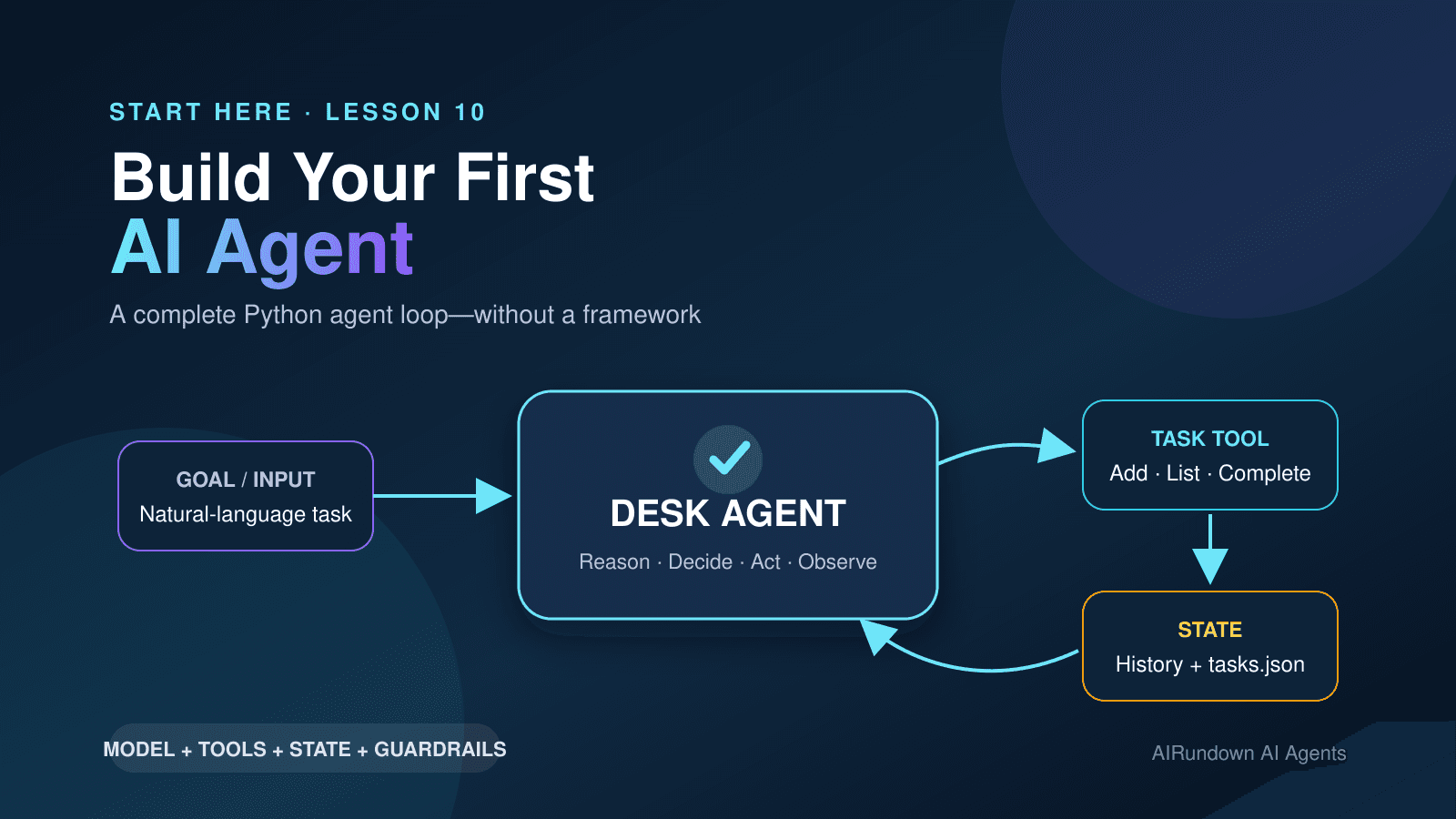
Build a genuine AI task agent in plain Python with tool calling, observations, state, guardrails, logging, error handling, and tests.
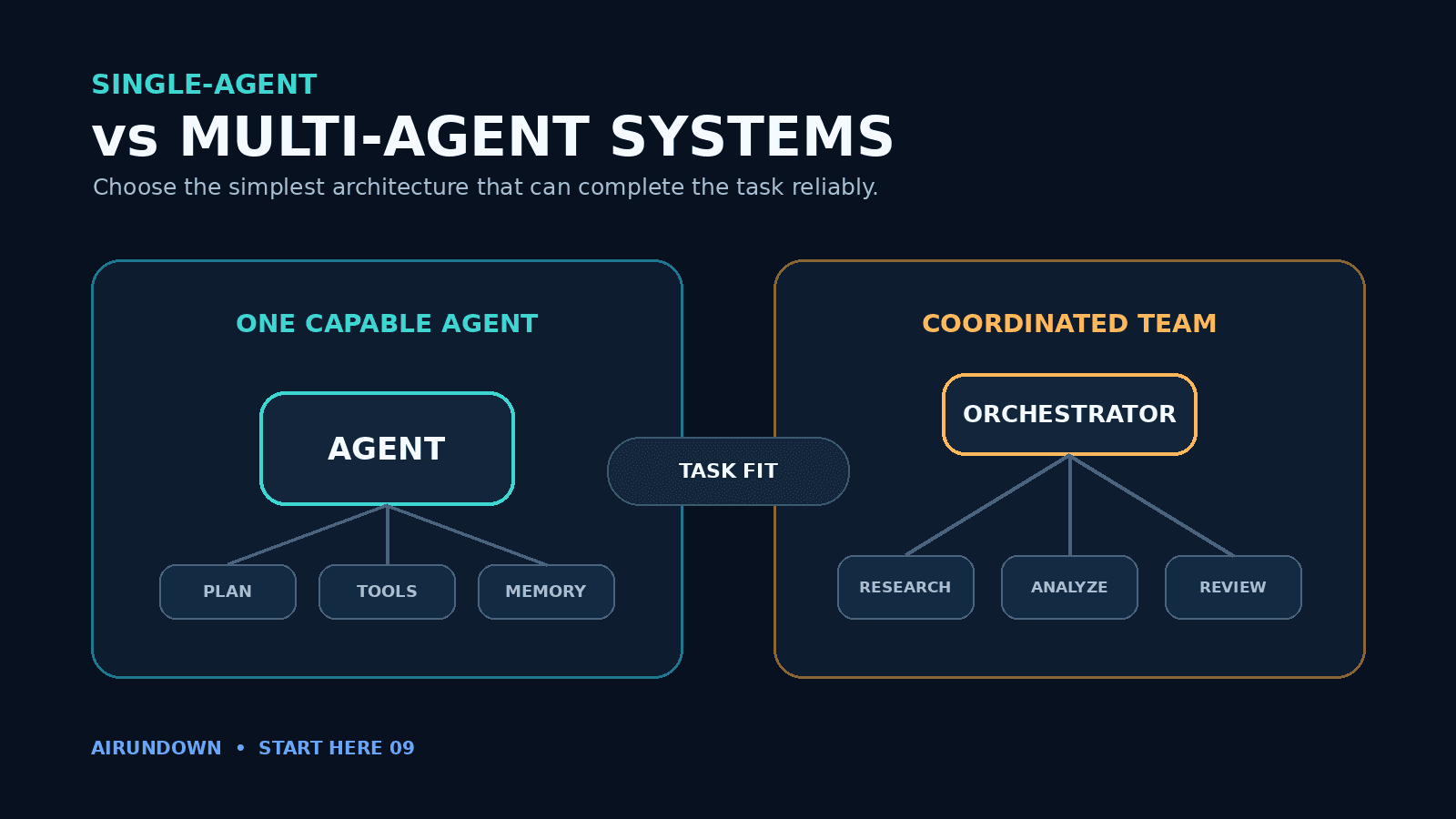
Learn how single-agent and multi-agent systems differ, what extra coordination costs, and how to choose the simplest architecture that works.
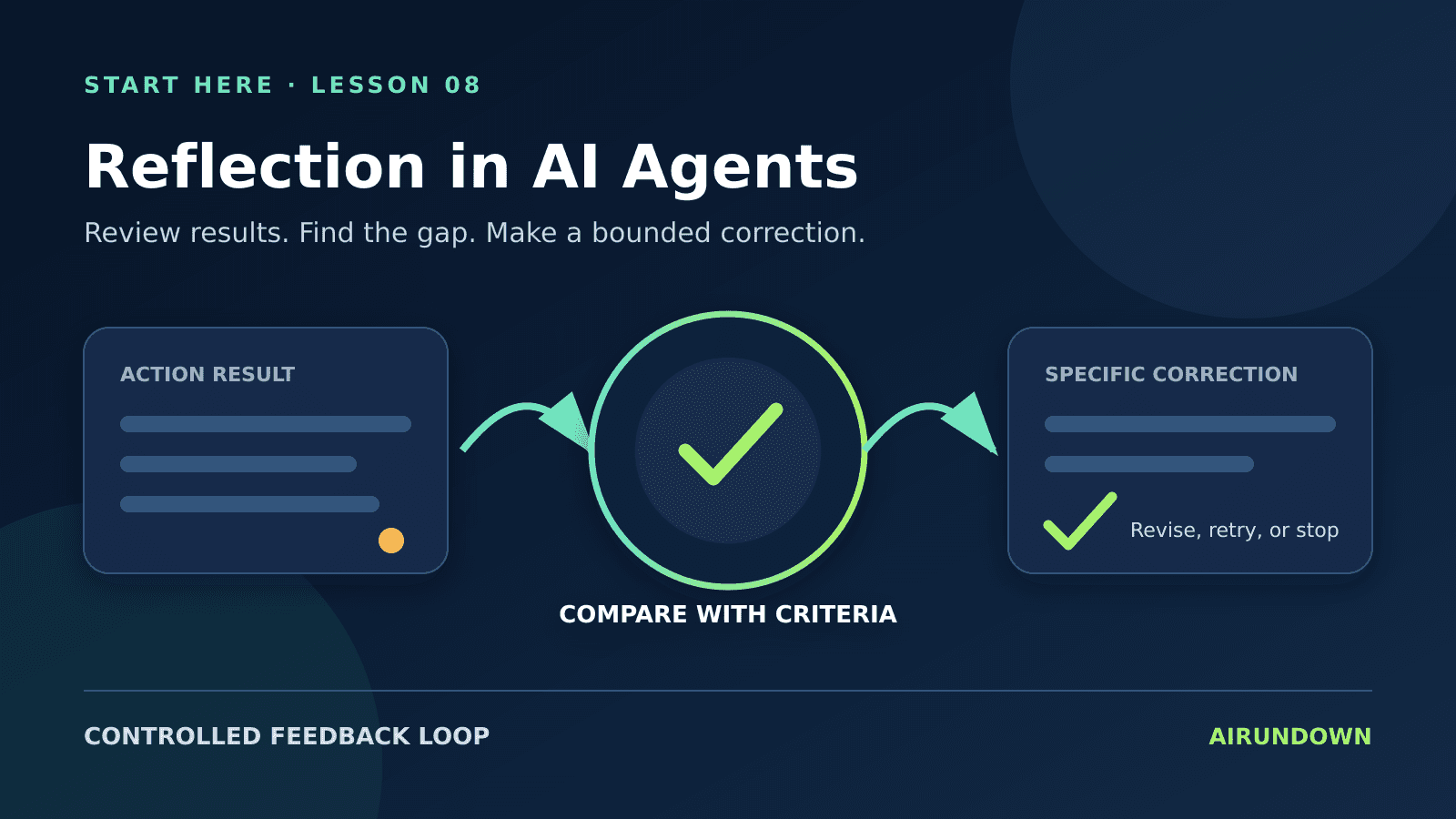
Learn how AI agents use feedback, critique, and execution review to detect mistakes, revise their approach, and improve results without endless retry loops.
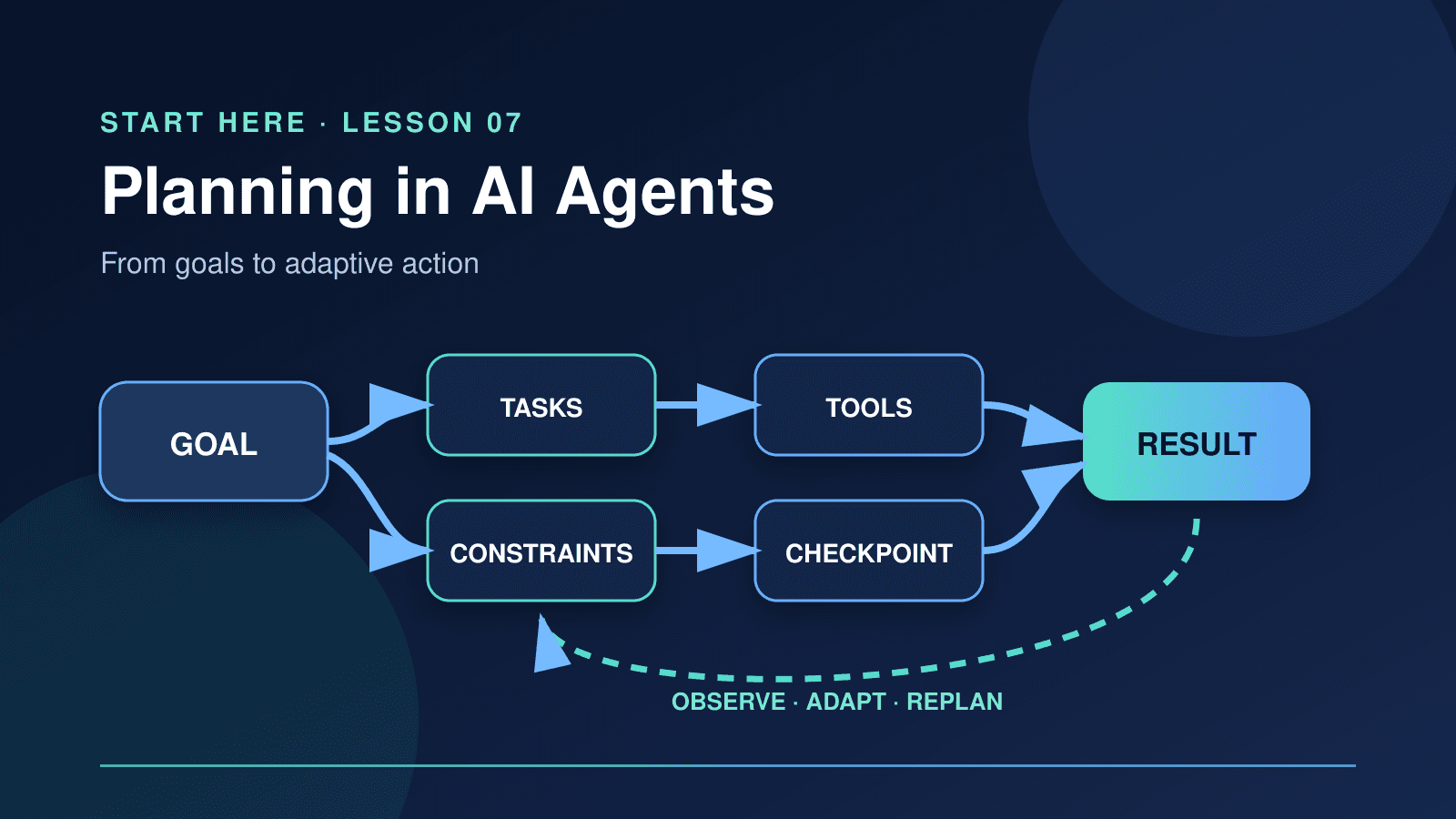
Learn how AI agents turn goals into ordered tasks, account for dependencies and constraints, use tools, track progress, and replan when reality changes.
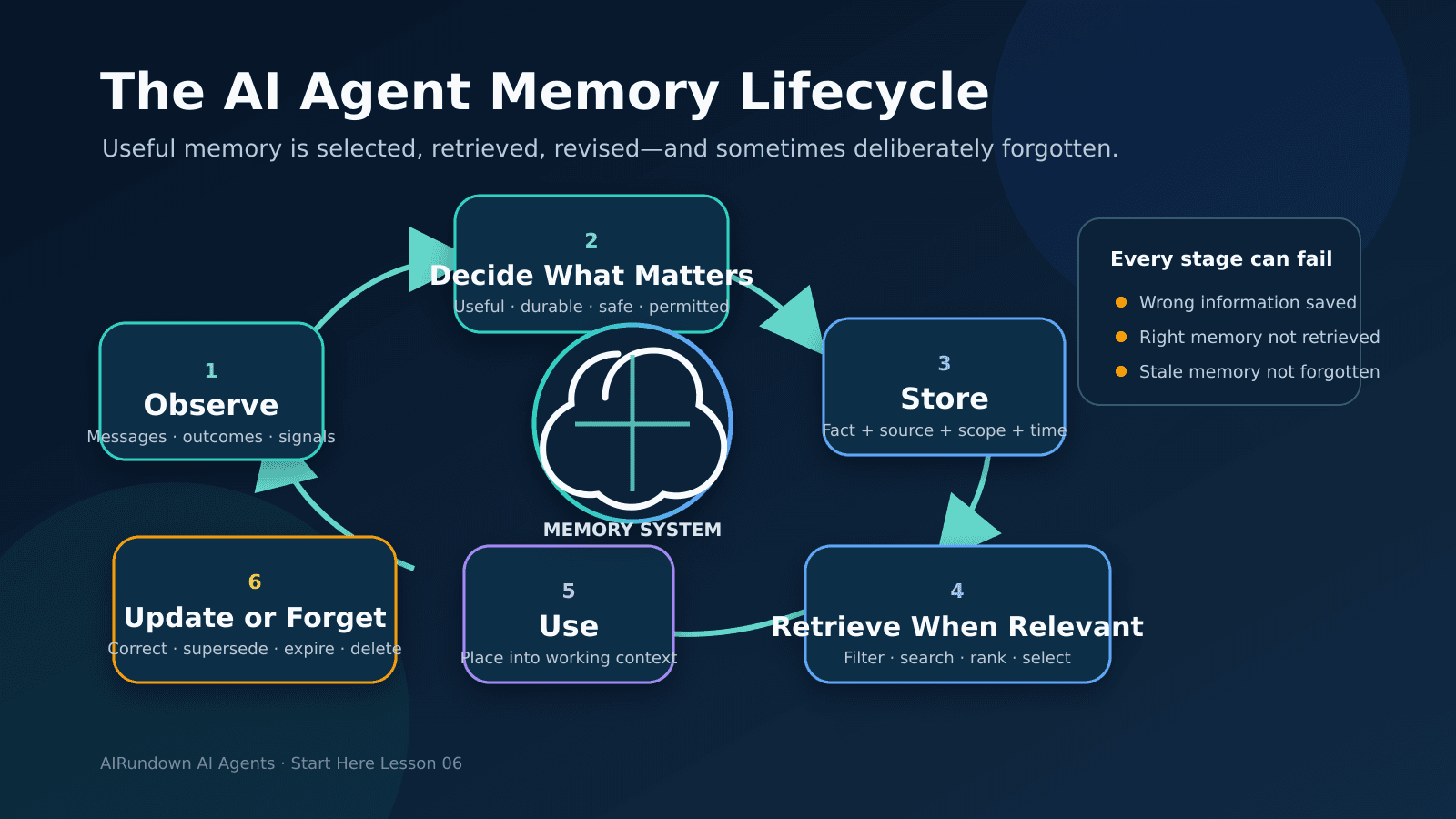
Learn how AI agent memory works, from context windows and working memory to persistent stores, retrieval, updating, forgetting, and memory quality.
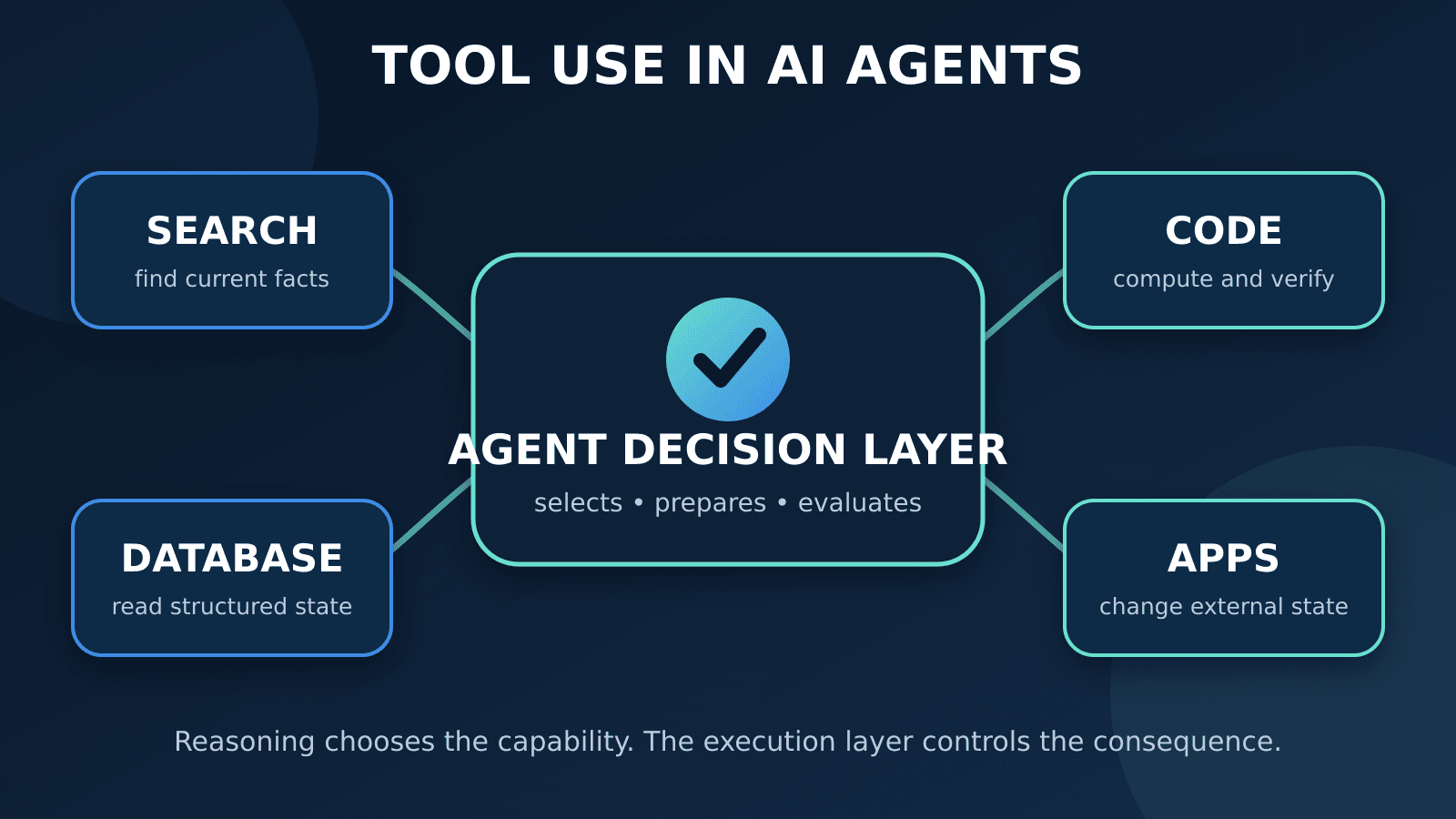
Learn how AI agents select tools, prepare arguments, execute functions and APIs, observe results, recover from errors, and stay within safe permission boundaries.
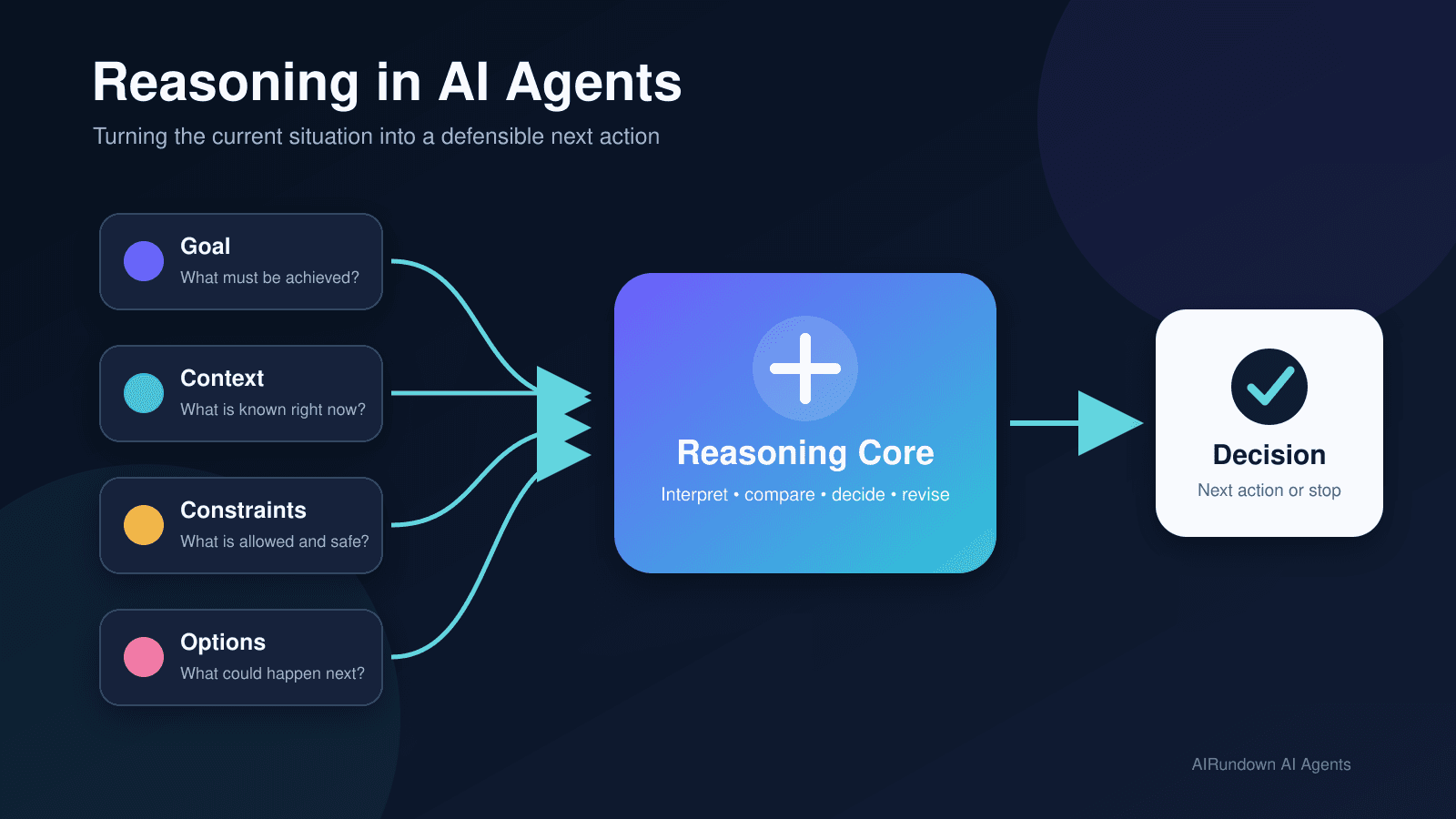
Learn how AI agents interpret goals, break down tasks, handle uncertainty, choose tools, reflect on results, and decide what to do next.
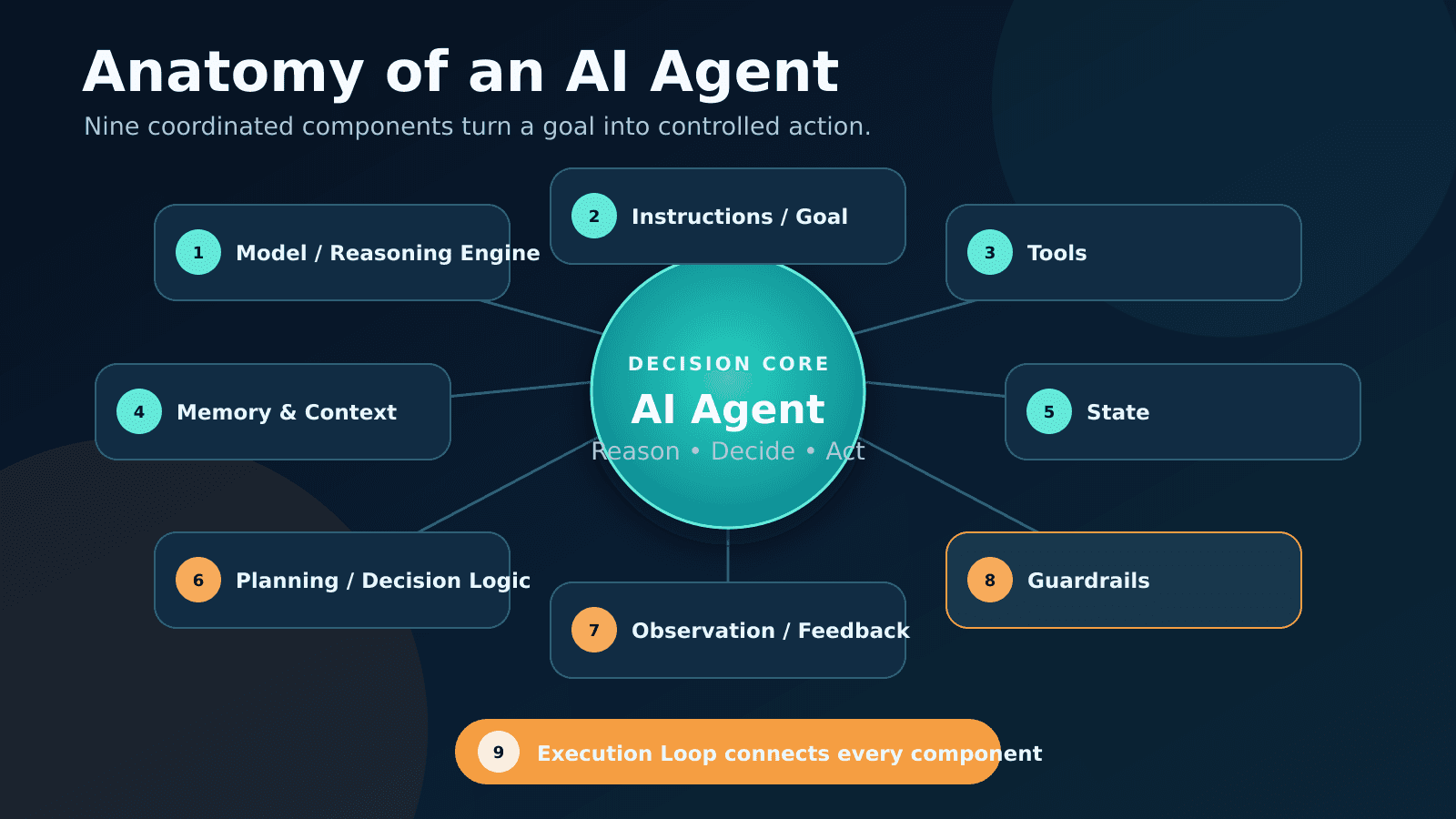
A beginner-friendly breakdown of the model, instructions, tools, memory, state, planning, feedback, guardrails, and execution loop inside an AI agent.
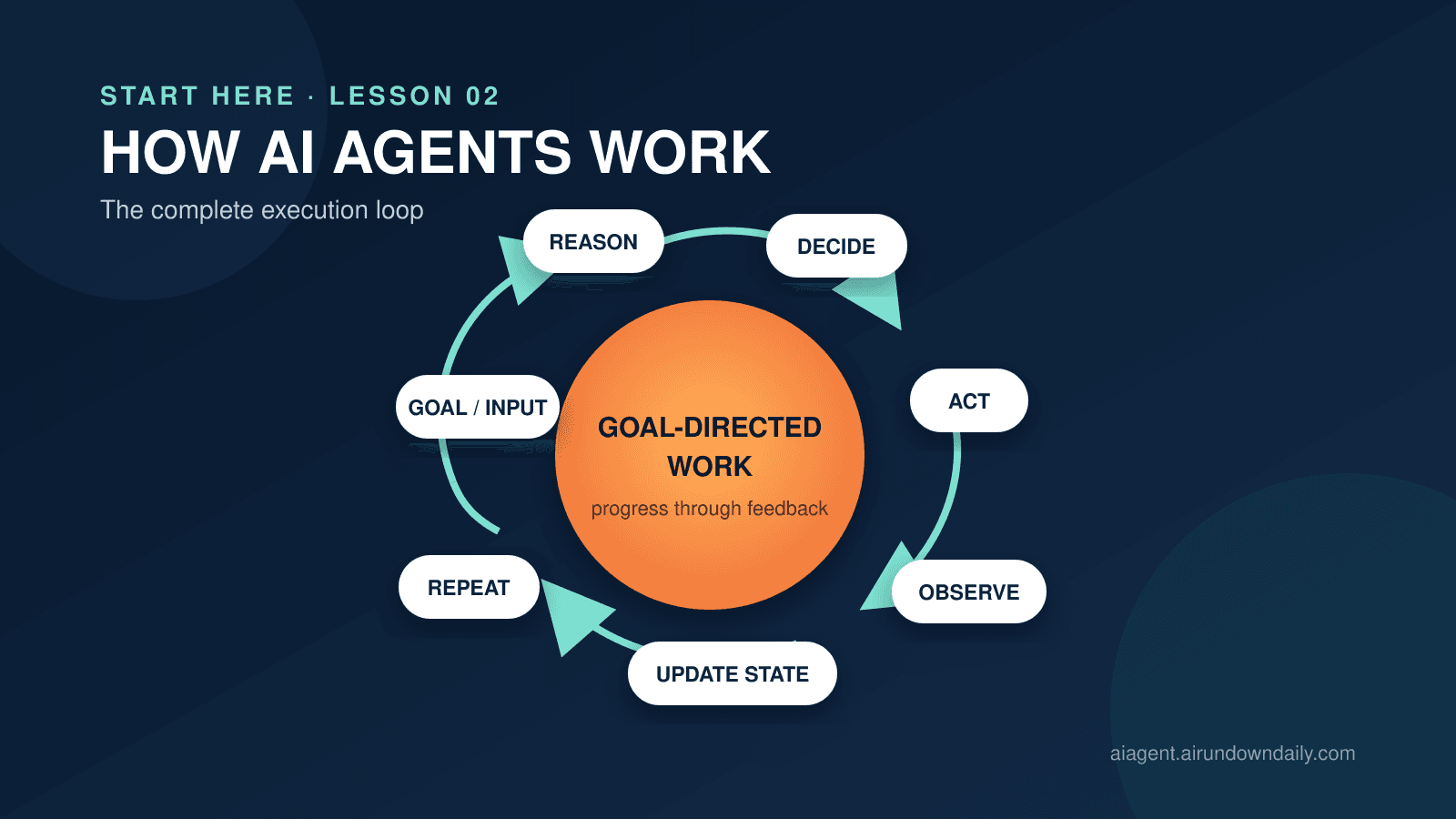
Follow the seven-stage execution loop that lets an AI agent reason, choose actions, use tools, learn from results, and keep working toward a goal.
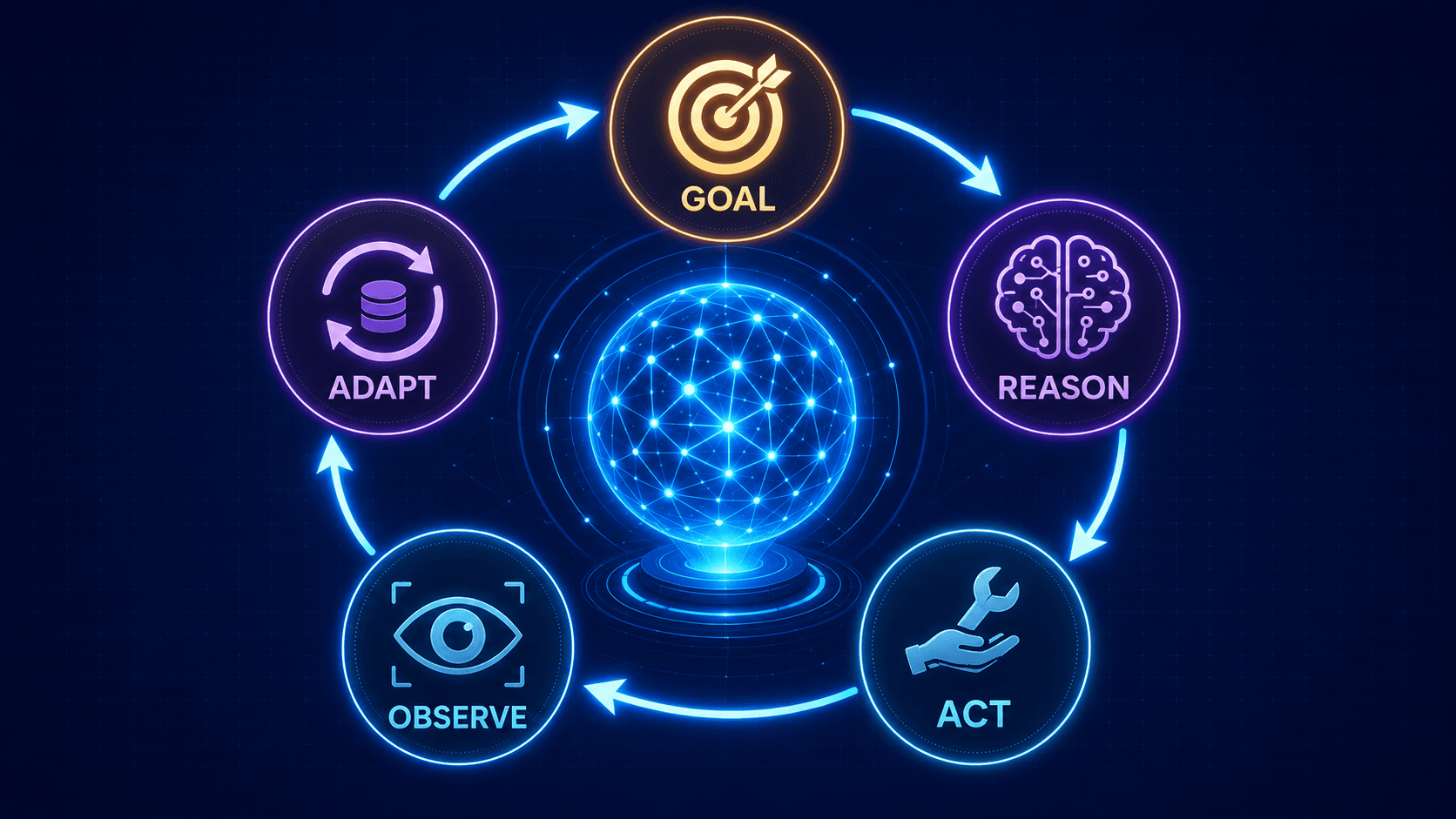
A practical explanation of what makes an AI agent different from a chatbot or fixed workflow, and how the agent loop turns model reasoning into action.