AI Agents
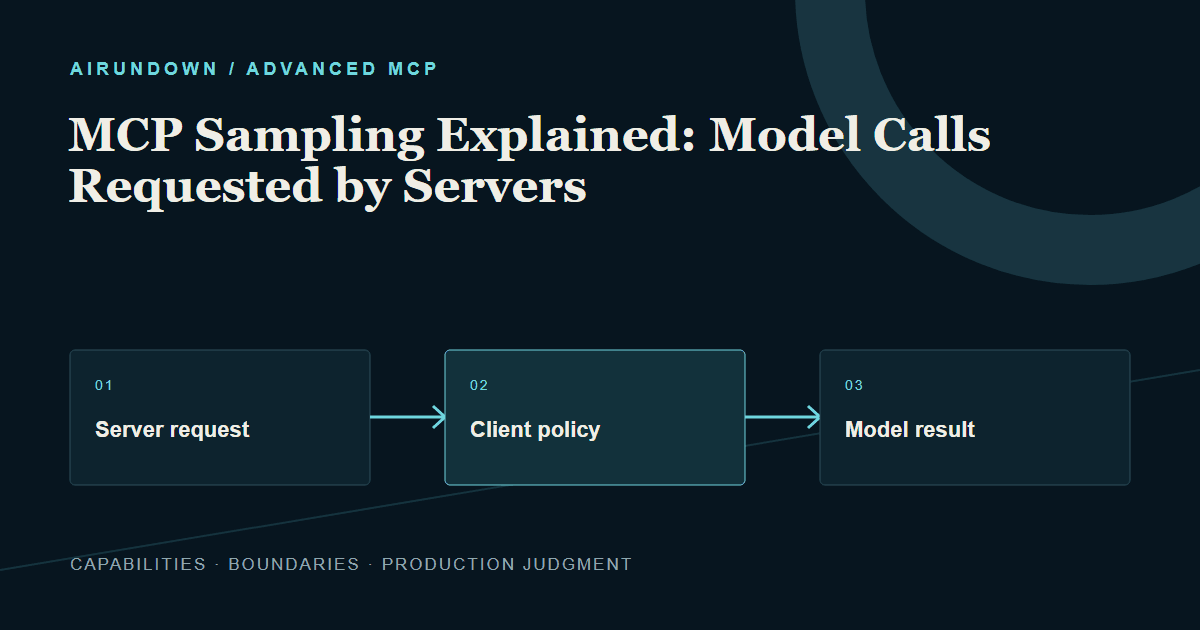
MCP Sampling Explained: Model Calls Requested by Servers
A practical explanation of MCP sampling, including message flow, model preferences, tool use, approvals, security, and current design status.
James Okafor4 min read
Editorial Team Profile
Product Operations Lead
“Direct, tactical, action-oriented”
A practical explanation of MCP sampling, including message flow, model preferences, tool use, approvals, security, and current design status.
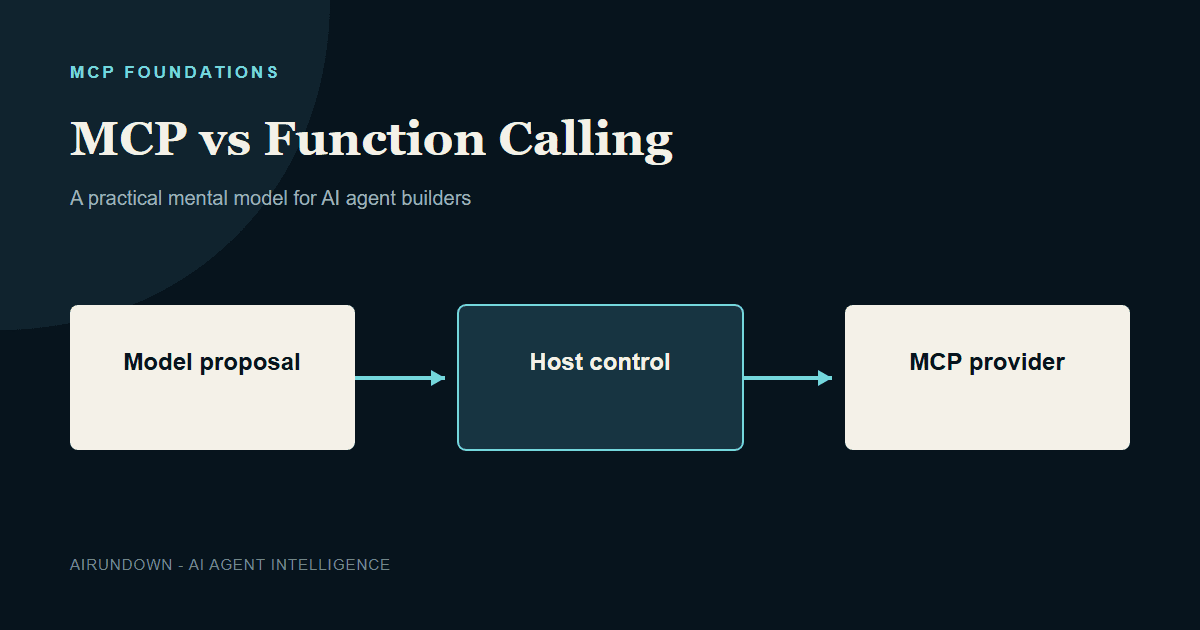
A practical comparison of MCP and model function calling, including their boundaries, request flow, portability, security, and combined architecture.
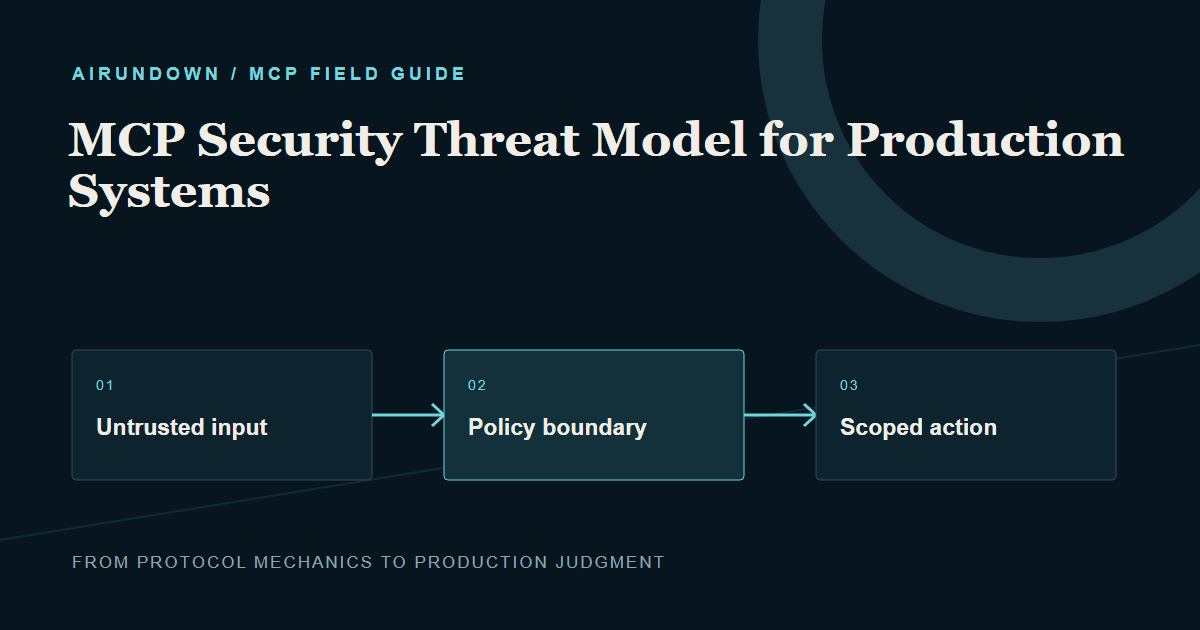
A practical threat model for MCP hosts, clients, servers, tools, credentials, model context, and downstream systems.
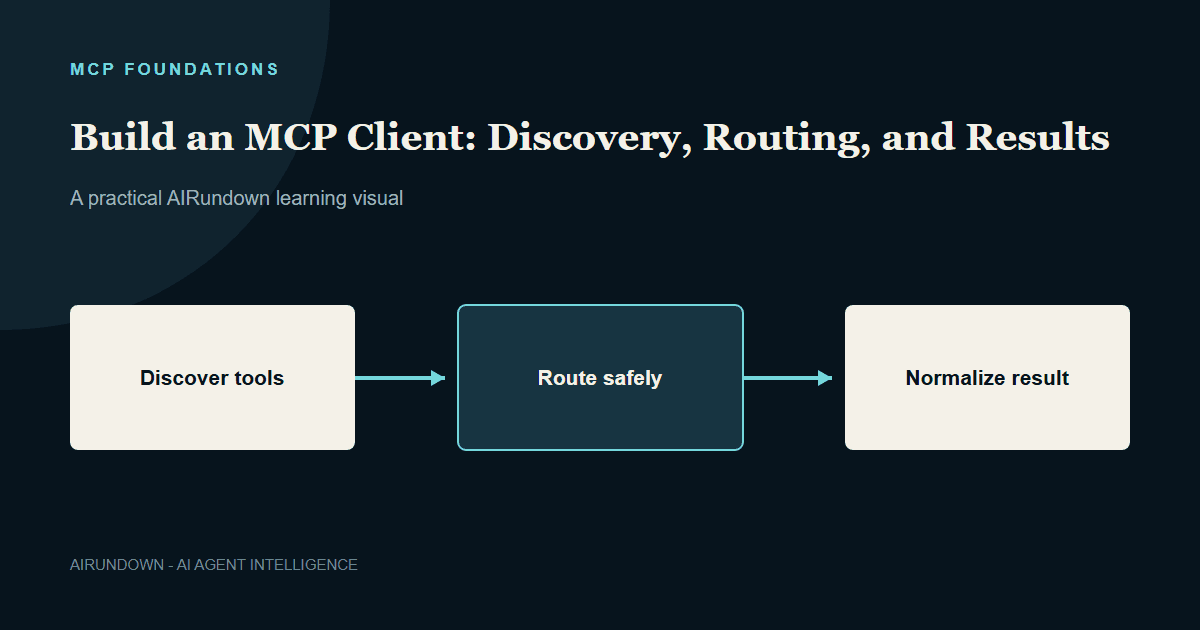
An implementation guide to MCP client connection management, tool discovery, model mapping, routing, result handling, and observability.
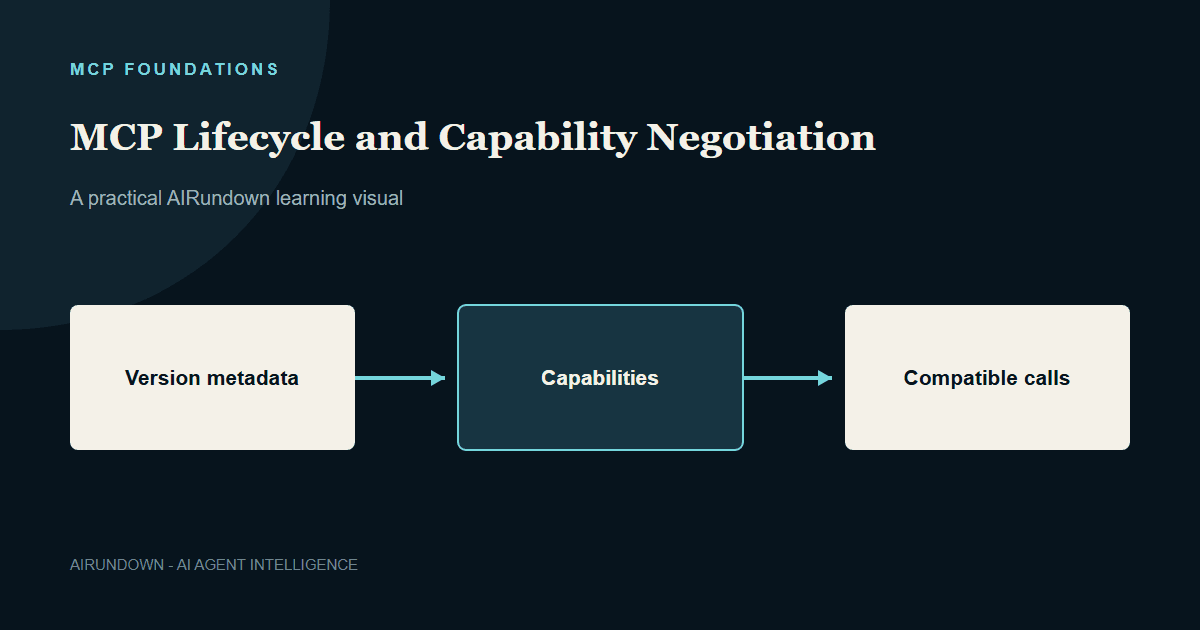
A current guide to MCP version compatibility, capability discovery, request metadata, feature use, and the transition from older handshakes.
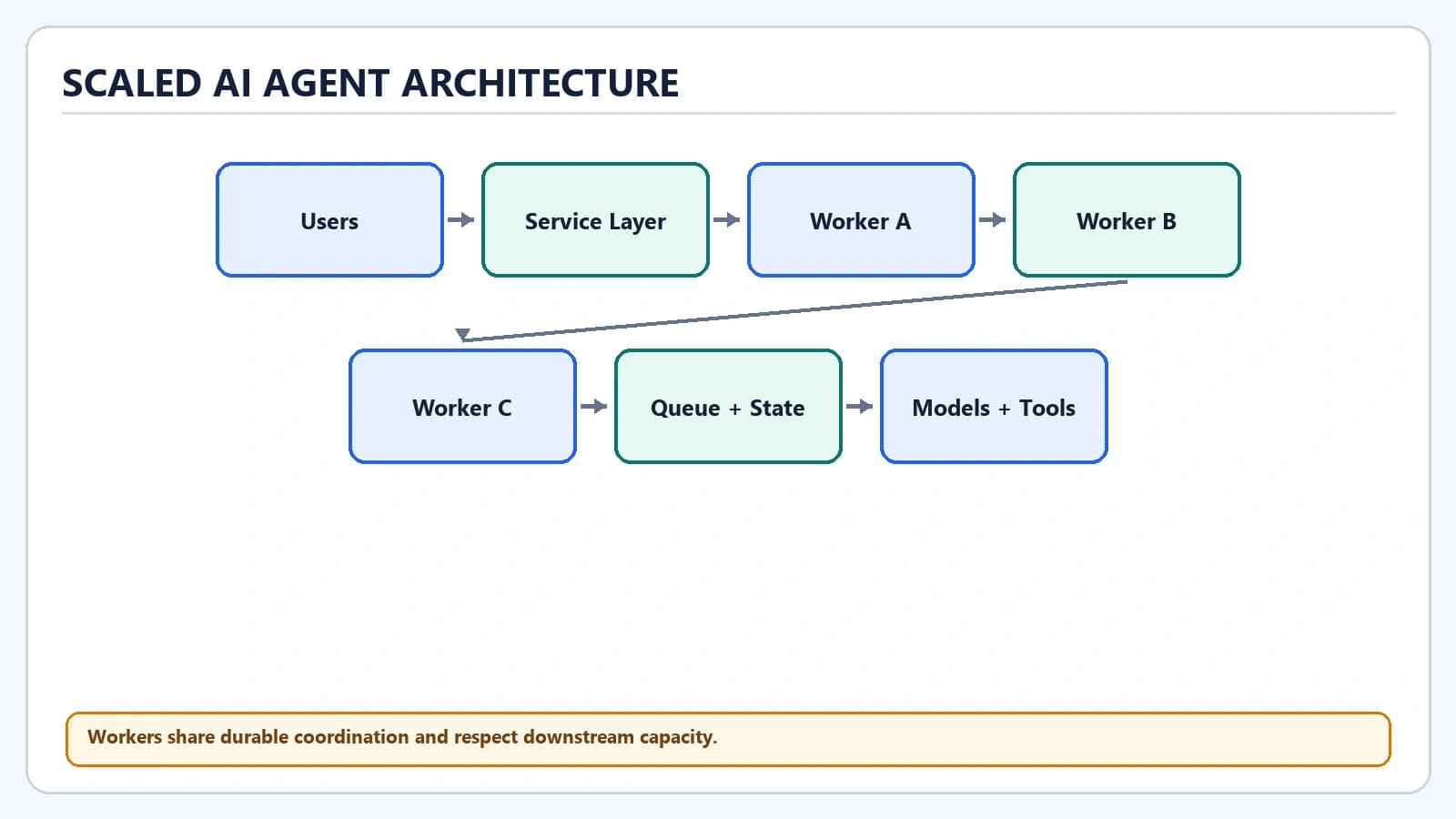
Grow workload capacity safely by separating stateless runtimes from durable tasks and protecting constrained dependencies.
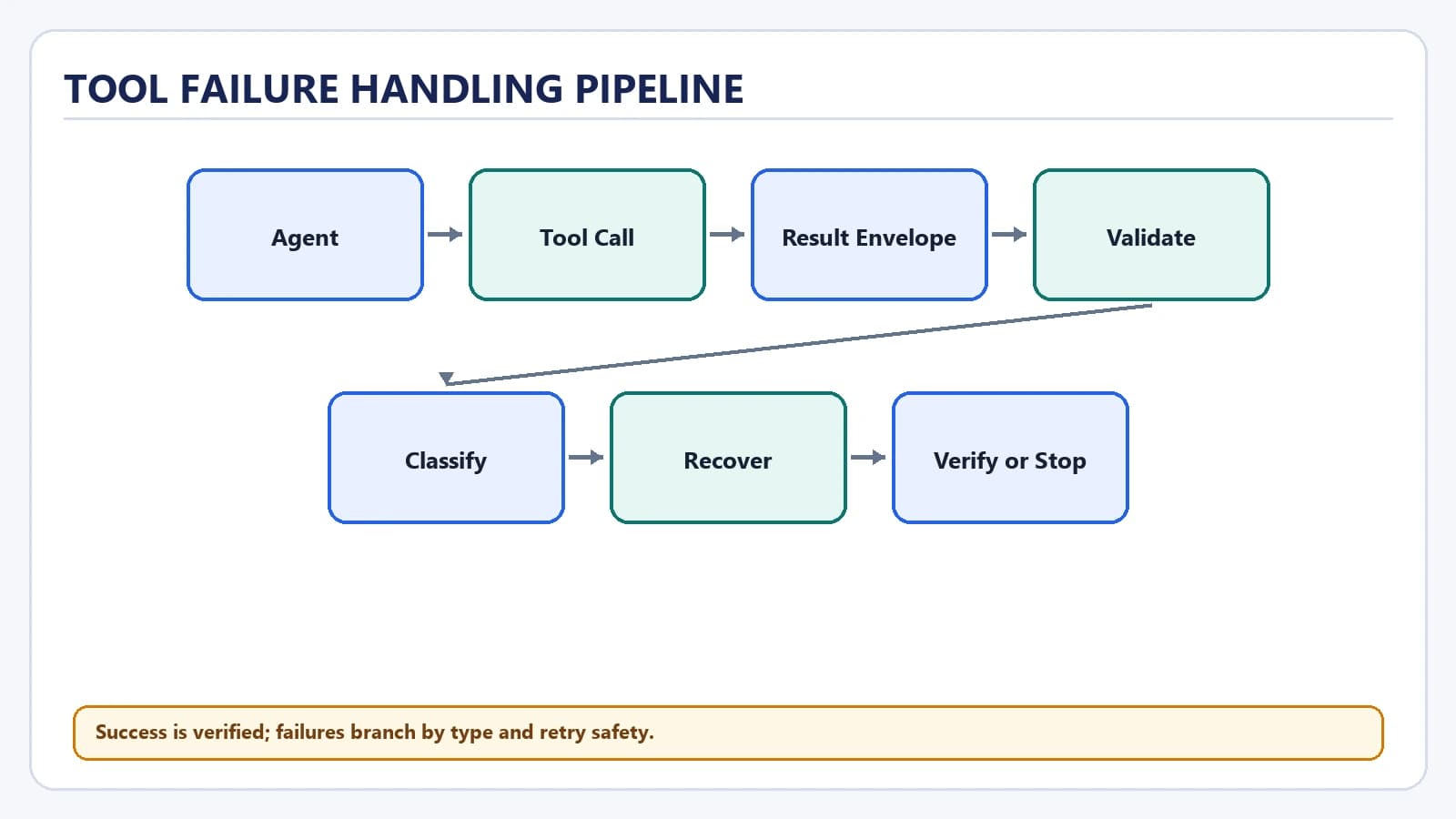
A practical, production-oriented explanation of tool failure handling, with examples, boundaries, trade-offs, and failure handling patterns.
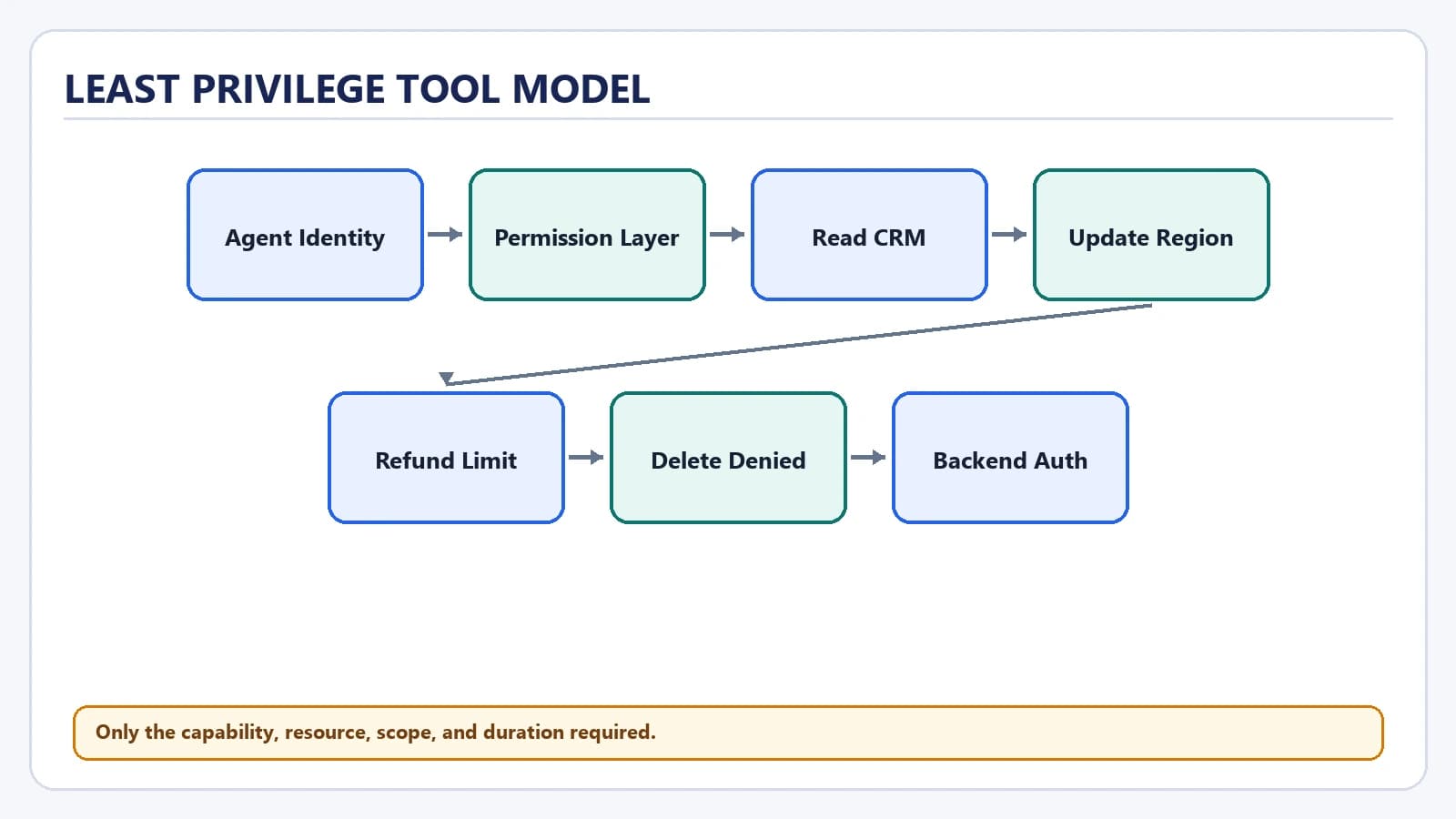
A practical, production-oriented explanation of least-privilege tool permissions, with examples, boundaries, trade-offs, and failure handling patterns.
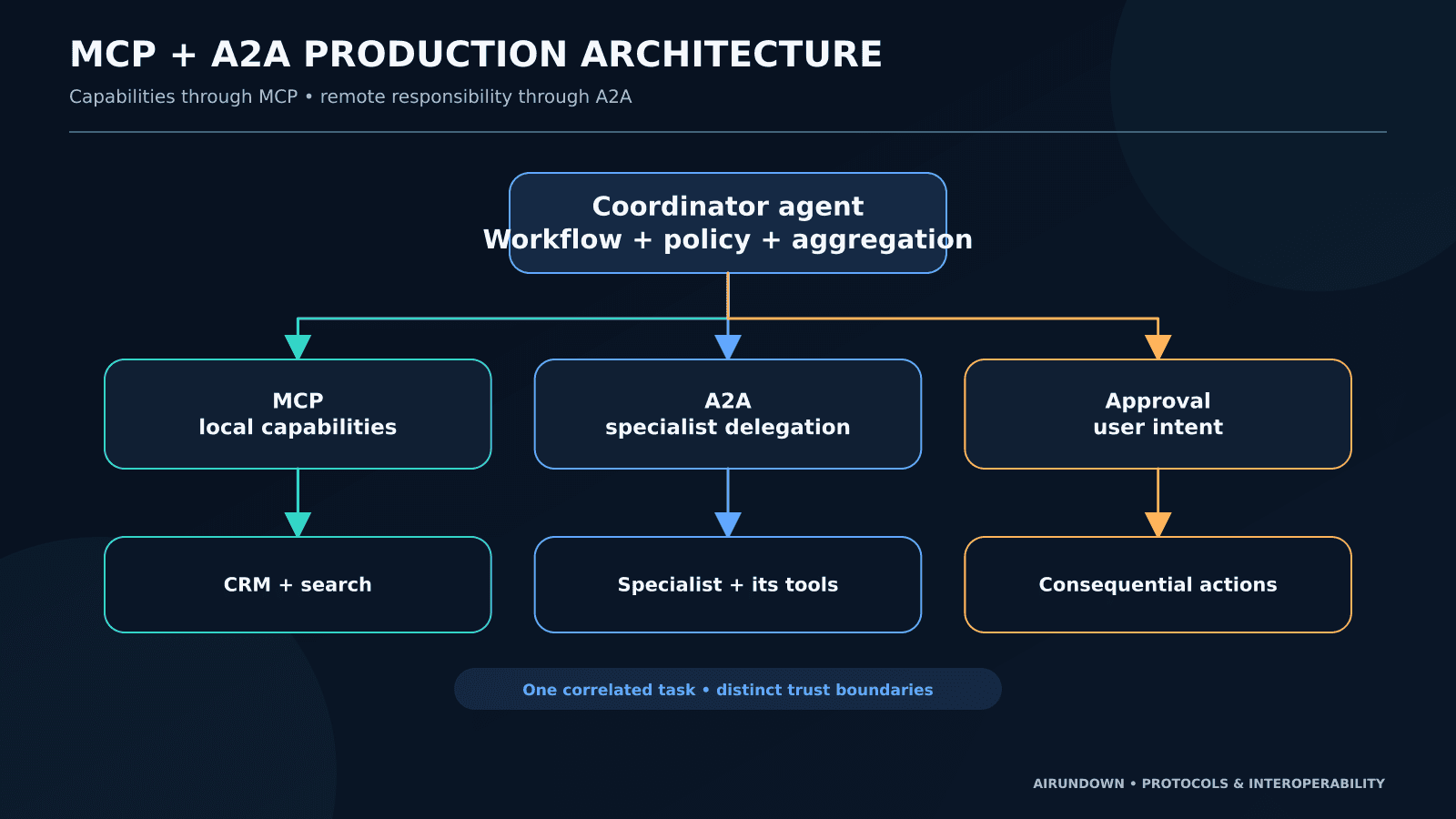
A production architecture for combining MCP capability access with A2A specialist delegation while preserving policy, identity, tracing, and failure boundaries.
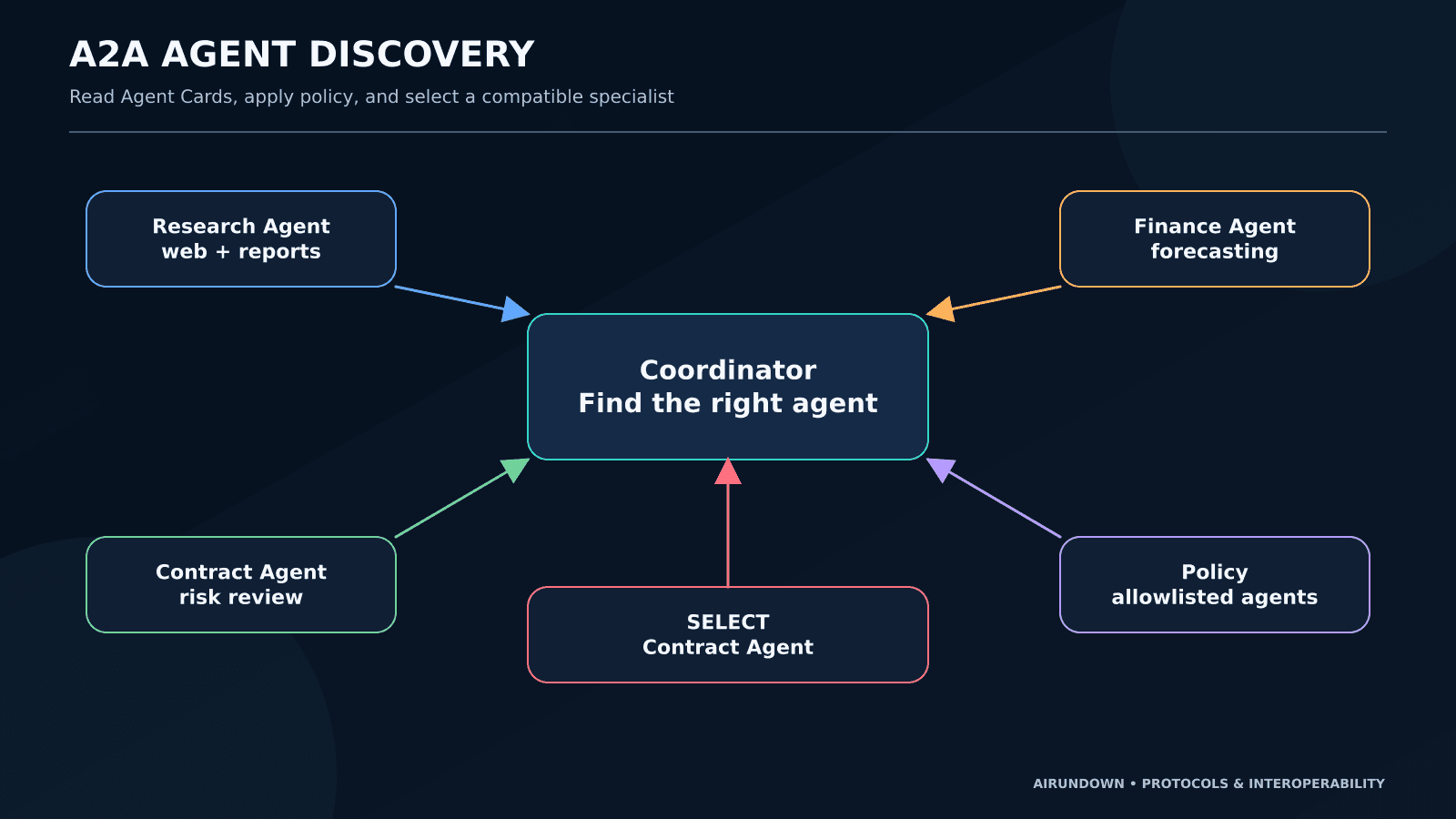
Learn how A2A clients discover remote agents, read Agent Cards, match skills and interfaces, evaluate suitability, and begin an interaction.
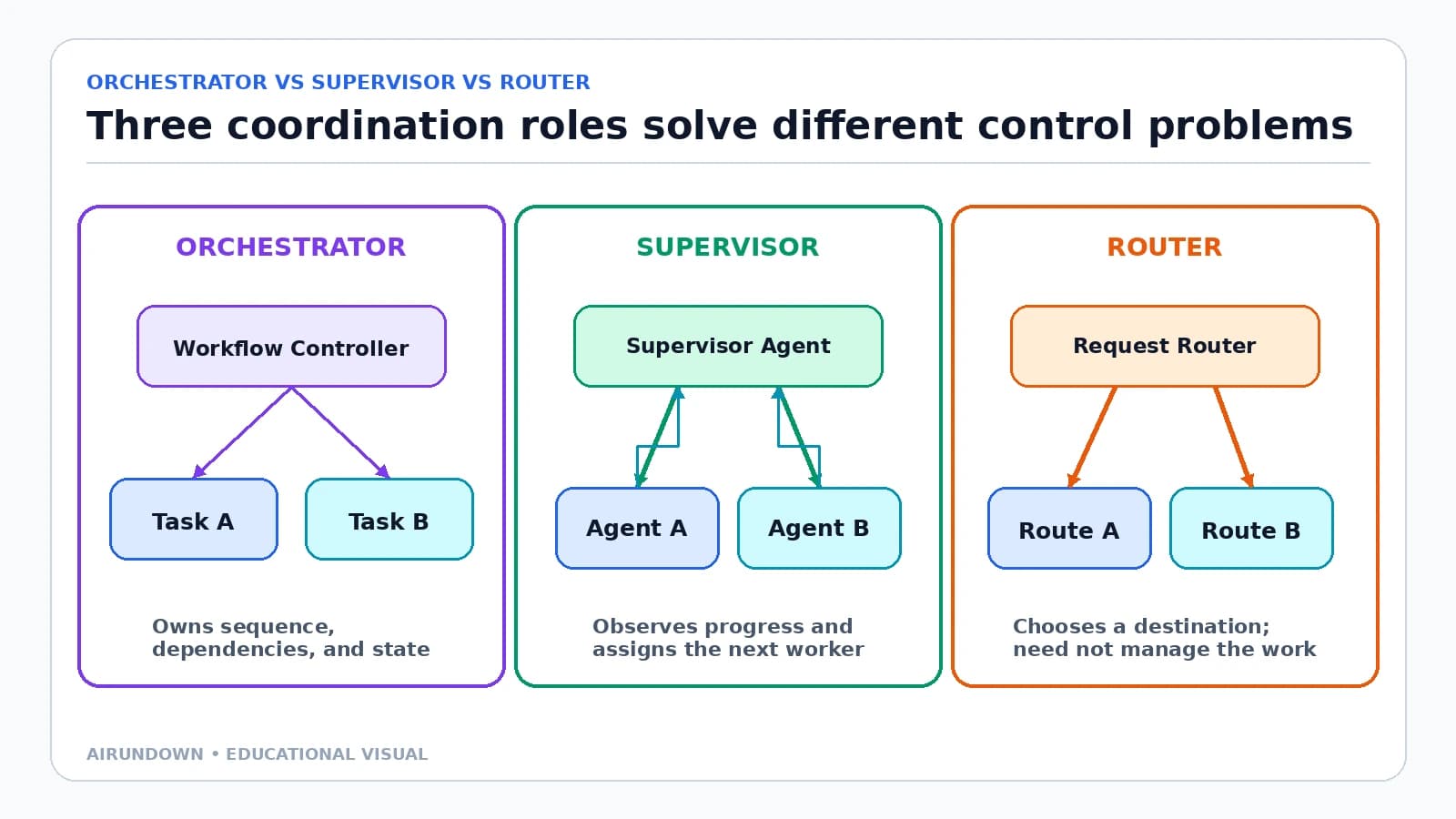
Compare orchestrators, supervisor agents, and routers by purpose, decision ownership, state responsibility, delegation, routing, and workflow control.
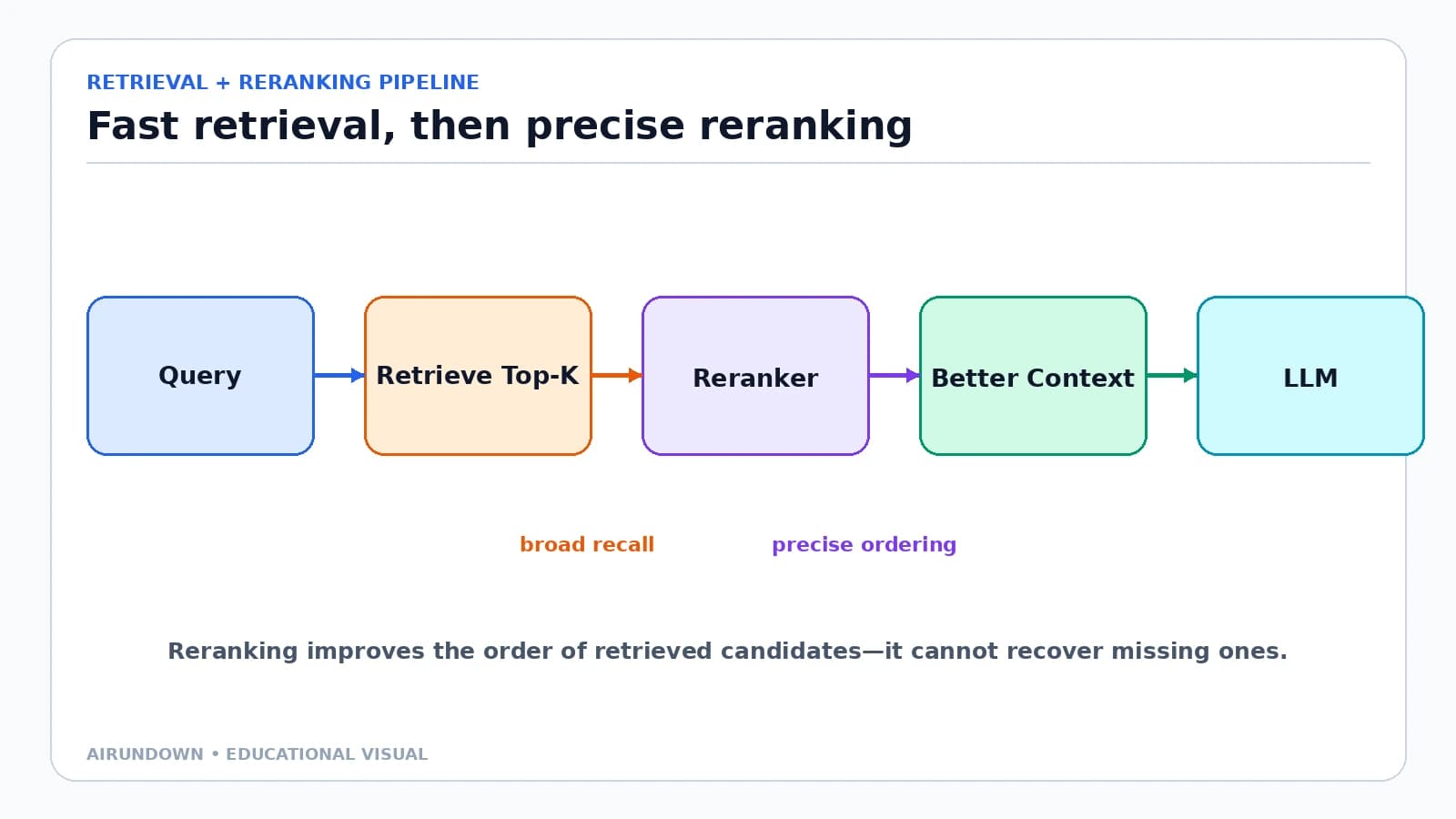
Learn why RAG pipelines rerank retrieved candidates, how cross-encoders and other methods improve ordering, and what reranking cannot fix.
A decision-focused comparison of RAG knowledge retrieval and AI-agent execution, including when a simple RAG pipeline is enough and when an agent is justified.
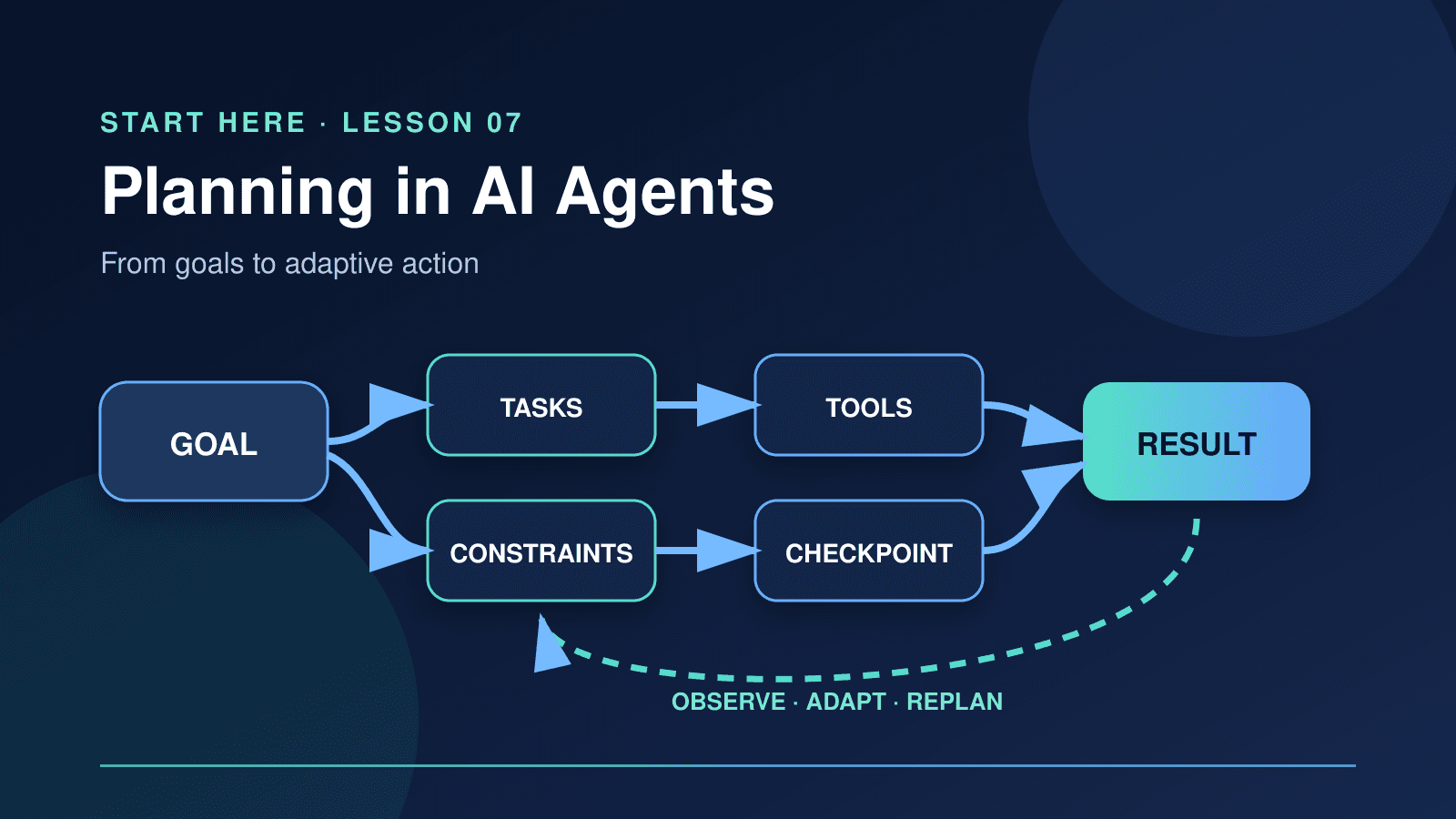
Learn how AI agents turn goals into ordered tasks, account for dependencies and constraints, use tools, track progress, and replan when reality changes.
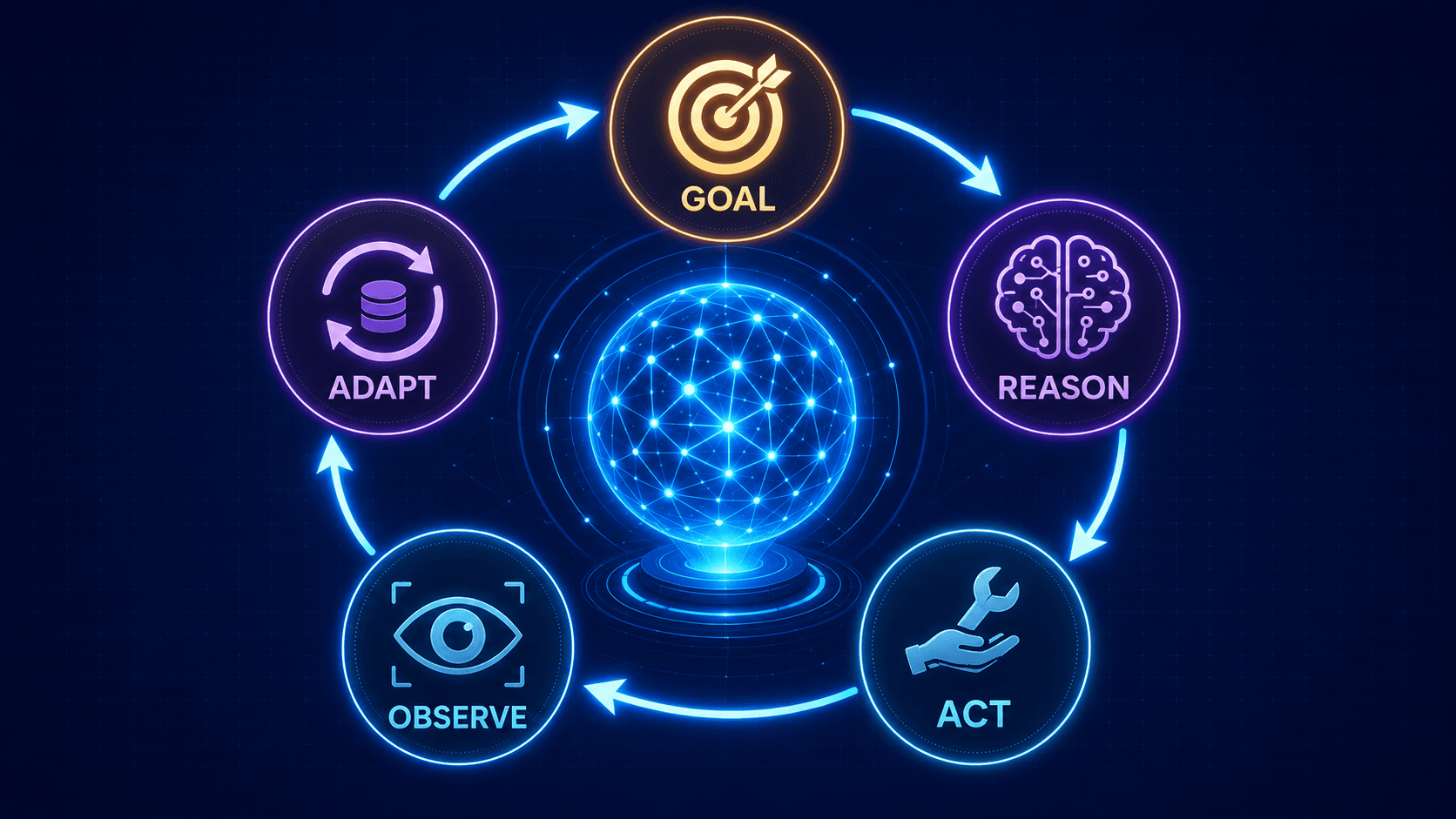
A practical explanation of what makes an AI agent different from a chatbot or fixed workflow, and how the agent loop turns model reasoning into action.
Model distillation is the process of training a smaller "student" model to mimic a larger "teacher" model's outputs, and by mid-2026 every major AI lab ships a distilled sibling alongside its flagship. The pattern spans GPT-5.4 Mini, Gemini 3.1 Flash/Flash-Lite, Claude Haiku, and open releases like DeepSeek-R1-Distill. The bigger signal is that distillation has become the default architecture for shipping AI at production scale, not a discount option. For PMs, the real work is knowing when a distilled model quietly costs you accuracy versus when it's the obviously correct call.

Data curation and deduplication — not architecture tweaks — are what separate a model that generalizes from one that memorizes noise. FineWeb and Llama 3 both converged on filtering, near-duplicate removal, and deliberate domain mixing as the real quality lever behind their training corpora. The signal: labs are spending their engineering hours on editorial pipelines, not just bigger scrapes. For PMs, the same three levers — quality scoring, dedup, and mixing ratio — apply directly to whatever fine-tuning dataset your team is building right now.
Quantization and training precision get treated as the same thing when a vendor says a model is "smaller" — they aren't. Training precision (BF16, increasingly FP8) is the number format baked in while a model learns; post-training quantization (INT8, INT4) compresses an already-trained model afterward for cheaper serving. The distinction matters more now that FP8 training and aggressive quantization have become standard levers for cutting inference cost. For PMs, knowing which one you're buying changes what quality tradeoff you should actually expect — and what you should test before signing off.
Claude Opus 4.8 costs 2.5× Claude Sonnet 5's intro rate for a 3.4-point edge on SWE-bench Verified — 88.6 vs 85.2, as of July 2026. On most workloads that premium is wasted; on long-horizon agentic work with expensive retries, it pays for itself. After September 1 the multiple compresses to roughly 1.7×, which flips the math for borderline tasks. For PMs, the answer is a routing policy — Sonnet 5 by default, Opus 4.8 on logged escalation — not a single model choice.
OpenAI's GPT-5.6 family splits into Sol ($5/$30), Terra ($2.50/$15), and Luna ($1/$6) per million tokens, and the bare gpt-5.6 alias quietly routes to the priciest tier. This guide maps workloads to tiers by the cost of a wrong answer, not by spec sheets. It also shows when raising reasoning effort on a cheaper tier beats upgrading, and how 90% cache-read discounts shrink Sol's premium. For PMs, the takeaway is that tier routing is now a margin decision that needs a named owner.
Taktile raised $110 million in Series C funding led by Growth Equity at Goldman Sachs Alternatives, bringing its total to $184 million, to expand an agentic decision platform that automates loan approvals, fraud triage, and claims processing for banks and insurers. The design keeps humans in the loop and logs every decision for audit. The signal is bigger than one raise: agentic AI has moved from demos into regulated, high-stakes operational decisions. For PMs, the takeaway is that the moat in production agents is the control layer — attribution, human oversight, and audit trails — not the underlying model.
Microsoft launched Frontier Company on July 2, 2026, backing it with $2.5 billion and about 6,000 engineers to help enterprises deploy AI across multiple providers instead of betting on one. The pitch is pointed: OpenAI, Anthropic, Google, or open-source, whichever fits the task, with customers keeping the IP. Coming from the company that built Copilot exclusively on OpenAI and later called that a mistake, it reads as an industry verdict. For PMs, the signal is clear: single-model architecture is now technical debt, and a model-routing abstraction layer just moved from nice-to-have to roadmap priority.
A Microsoft study of tens of thousands of engineers found CLI AI coding agents drove a 24% lift in merged pull requests over four months, with the effect holding steady rather than fading. Adoption spread through peer networks rather than mandates, and retention tracked with existing coding activity, not tenure or title. One week after the study went public, Microsoft required product teams to drop Claude Code for its own GitHub Copilot CLI. For PMs, this is the strongest evidence yet that developer-driven adoption predicts real productivity, and overriding that signal for platform control is a strategic bet, not a neutral tooling decision.
Startup Oxmiq raised $35 million to build a new chip architecture aimed at lower-cost AI, according to Reuters. The round targets the hardware layer directly, not another model or app-layer tool. It signals that cost pressure in AI is moving from software optimization down into silicon, where the next major margin unlock is expected to come from. For PMs, it's an early marker that today's inference pricing is not permanent, and roadmaps built assuming flat costs may need a second look.

Google rolled out Gemini Omni Flash through its API on June 30 enabling conversational video editing for enterprise teams. The model generates 720p video at $0.10 per second and accepts multimodal inputs including reference images and existing video clips. For product and marketing teams this is a practical cost reduction tool available today not a research preview.
Thomson Reuters surveyed the accounting industry and the results are clear: AI adoption in accounting is no longer experimental. Firms are using AI for document review audit prep tax research and client reporting and the ones doing it well are seeing real time savings.
Il Mattino’s coverage highlights the shift from generative AI tools that produce outputs to agentic systems that execute multi-step workflows. For PMs, the issue is no longer whether AI can generate useful content, but whether products can safely let AI take action inside real business processes.
Elon Musk says Grok 4.5 will launch soon and could rival Anthropic’s Claude Opus, according to Firstpost via Google News. The claim matters because PMs are making 2026 roadmap and vendor decisions while frontier model performance, cost, and reliability keep shifting.
Anthropic has rolled out a major update to Claude 3.5 Sonnet, demonstrating significant improvements in multi-step coding agent tasks and tool-use precision. The release intensifies the LLM competition for developer mindshare.

Snowflake has announced Polaris Catalog, an open-source metadata catalog for Apache Iceberg. The release marks a major escalation in the data lakehouse standards war against Databricks.
Y Combinator has kicked off its Summer 2026 batch, with over 75% of the accepted companies building AI agents or specialized developer tools. The data reveals a shift from wrapper apps to complex workflow orchestration.
Midjourney has released its highly anticipated V7 image generation engine alongside a standalone web interface. The update marks their final departure from Discord-only generation.