MCP Tool Permissions and Least Privilege
A practical permission model for controlling which MCP tools users and agents can discover, call, and approve.
31 articles — updated daily
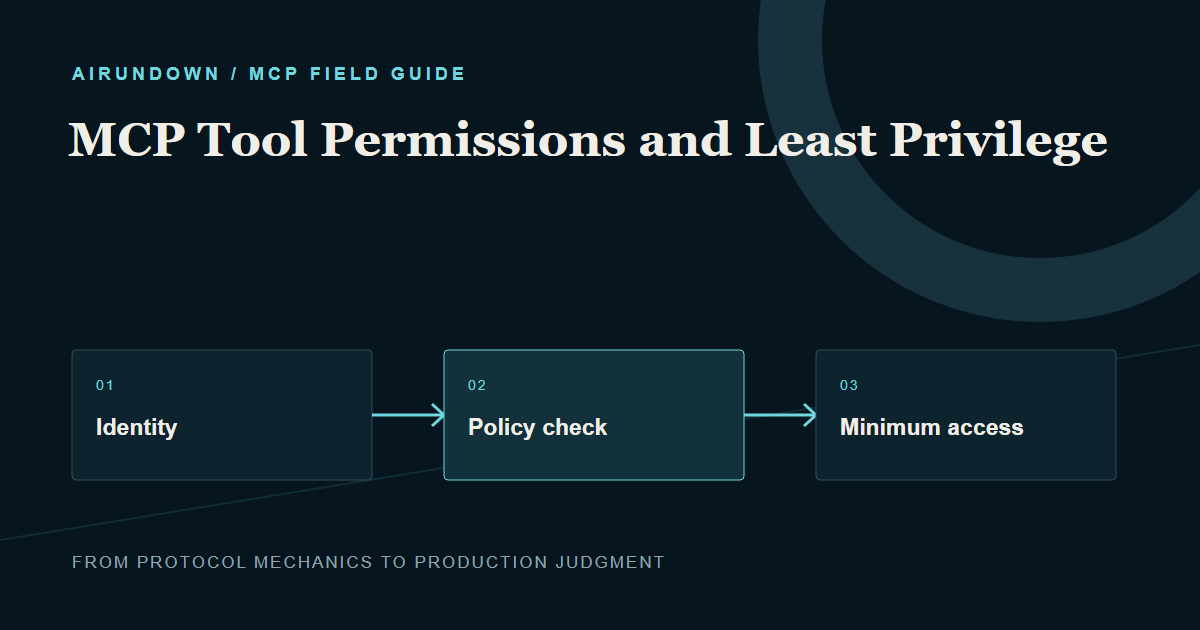
A practical permission model for controlling which MCP tools users and agents can discover, call, and approve.
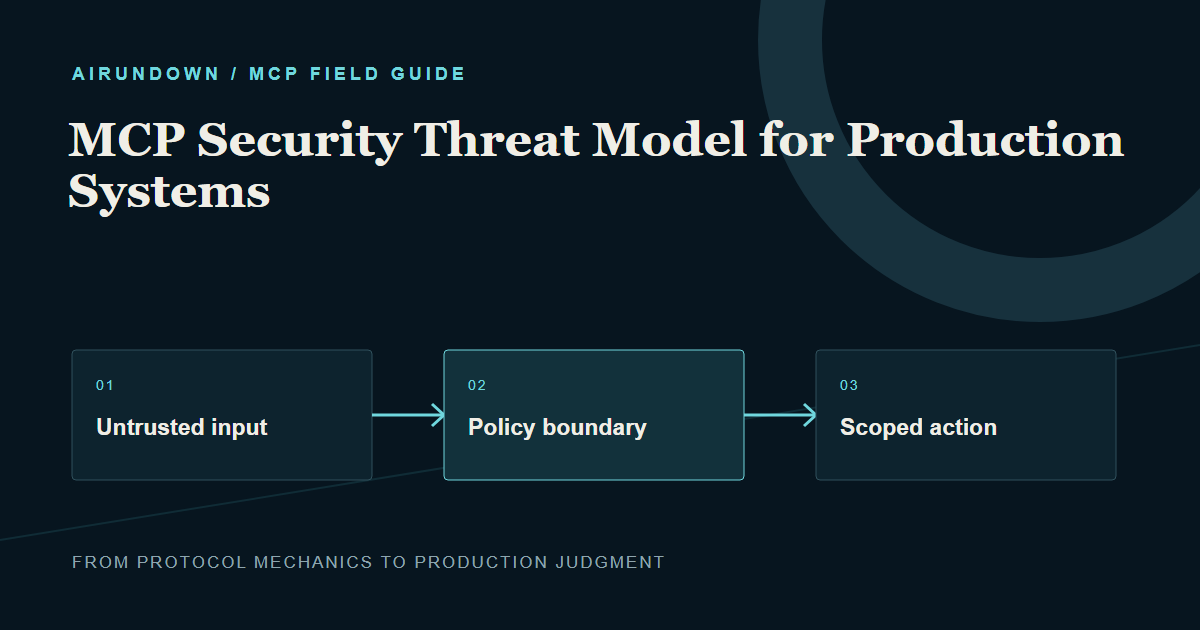
A practical threat model for MCP hosts, clients, servers, tools, credentials, model context, and downstream systems.
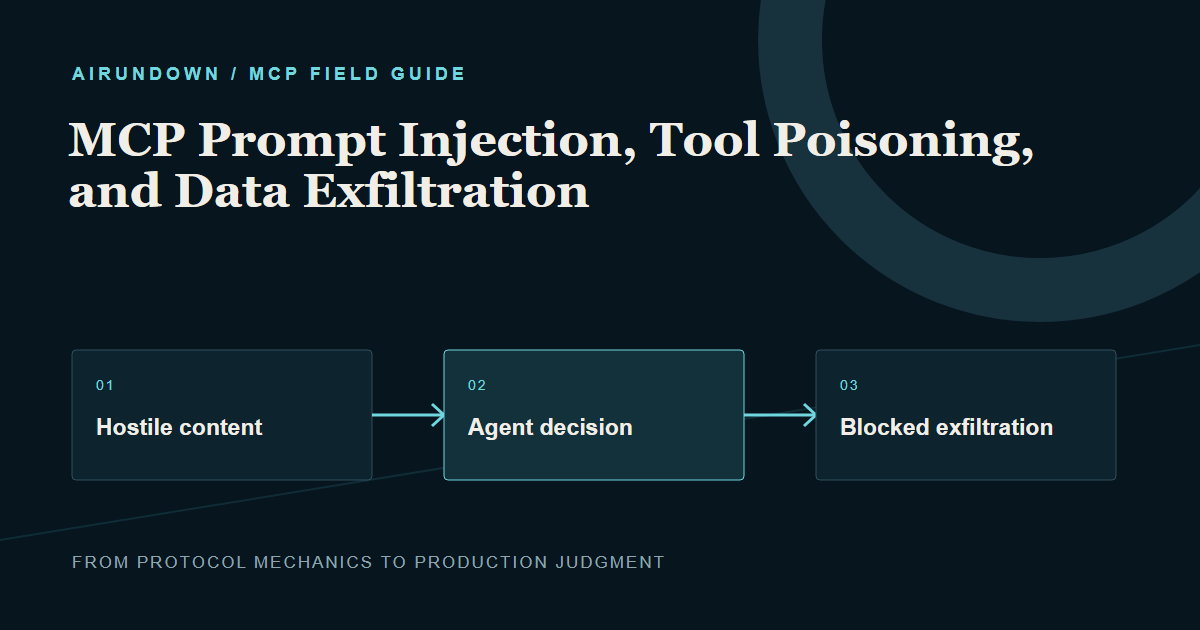
A defensive guide to prompt injection, tool poisoning, confused-deputy risks, and data exfiltration in MCP systems.
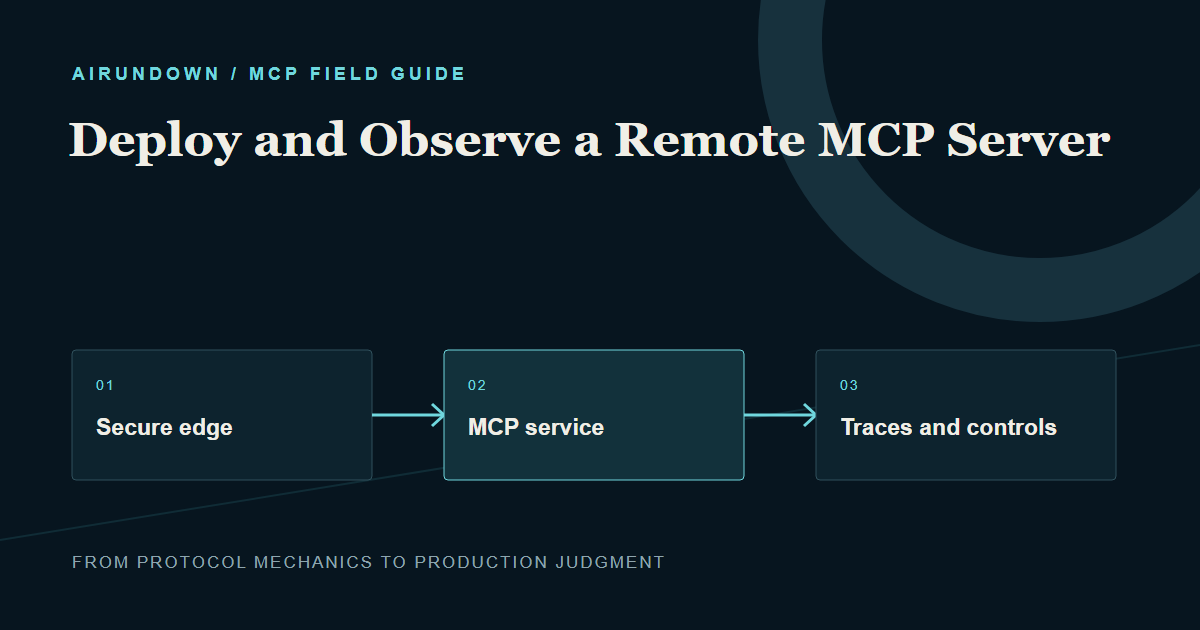
A production deployment guide for remote MCP servers covering network boundaries, identity, scaling, observability, and rollback.
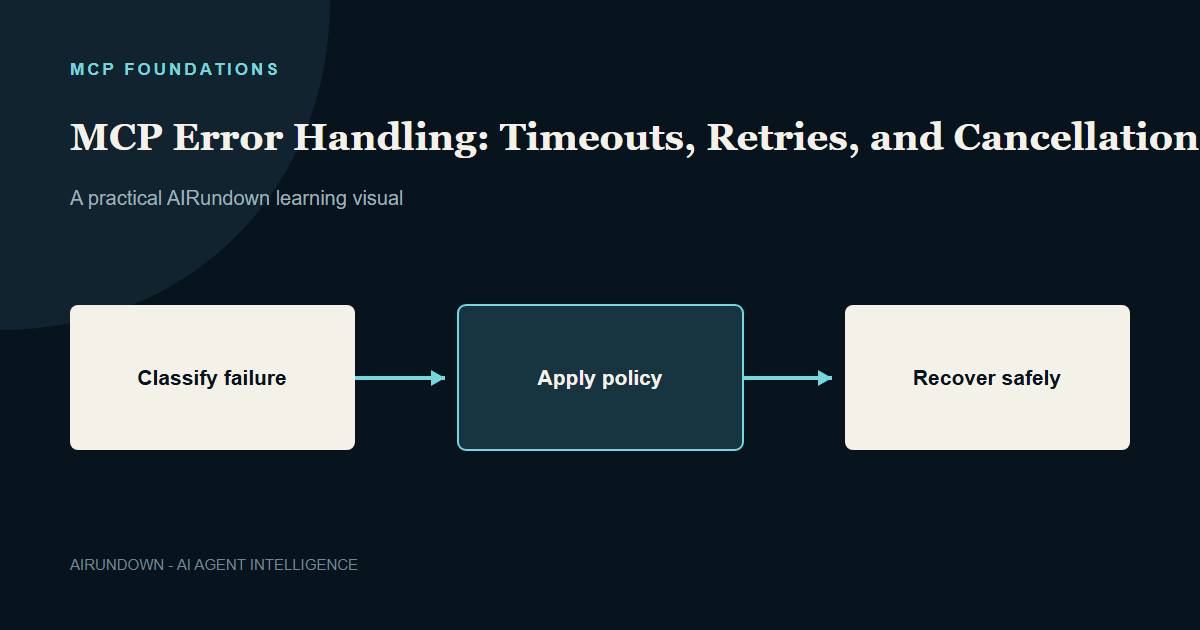
A reliability guide to MCP errors, deadlines, retries, cancellation, progress, idempotency, ambiguous writes, and observable recovery.
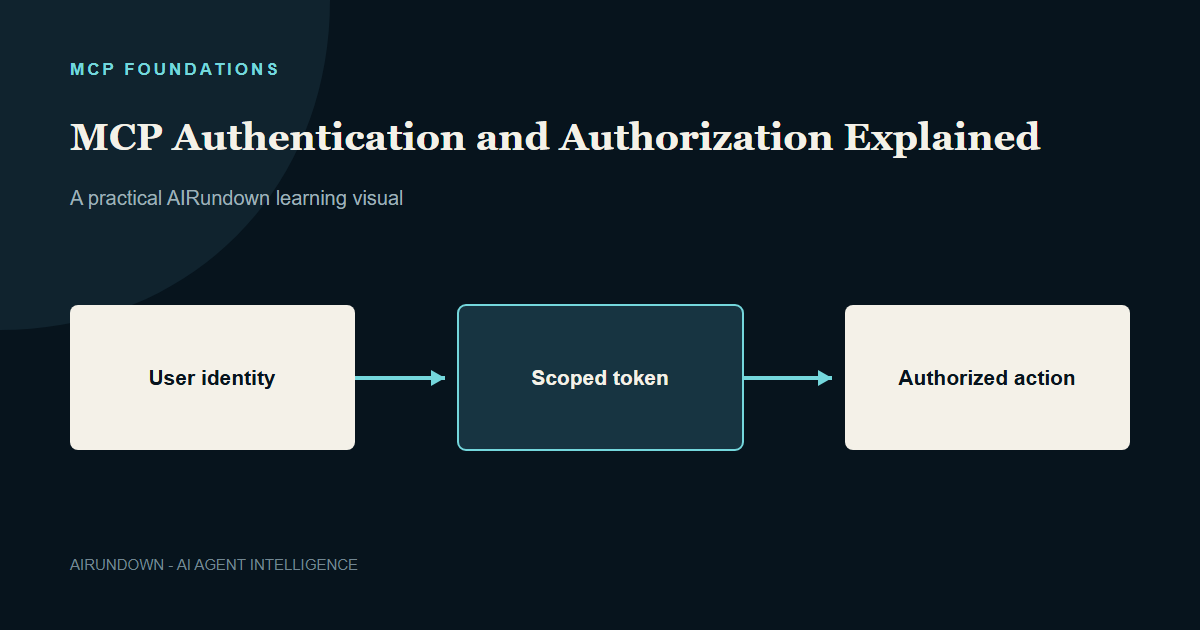
A production-focused guide to authenticating MCP clients and authorizing users, tools, resources, tenants, and downstream actions.
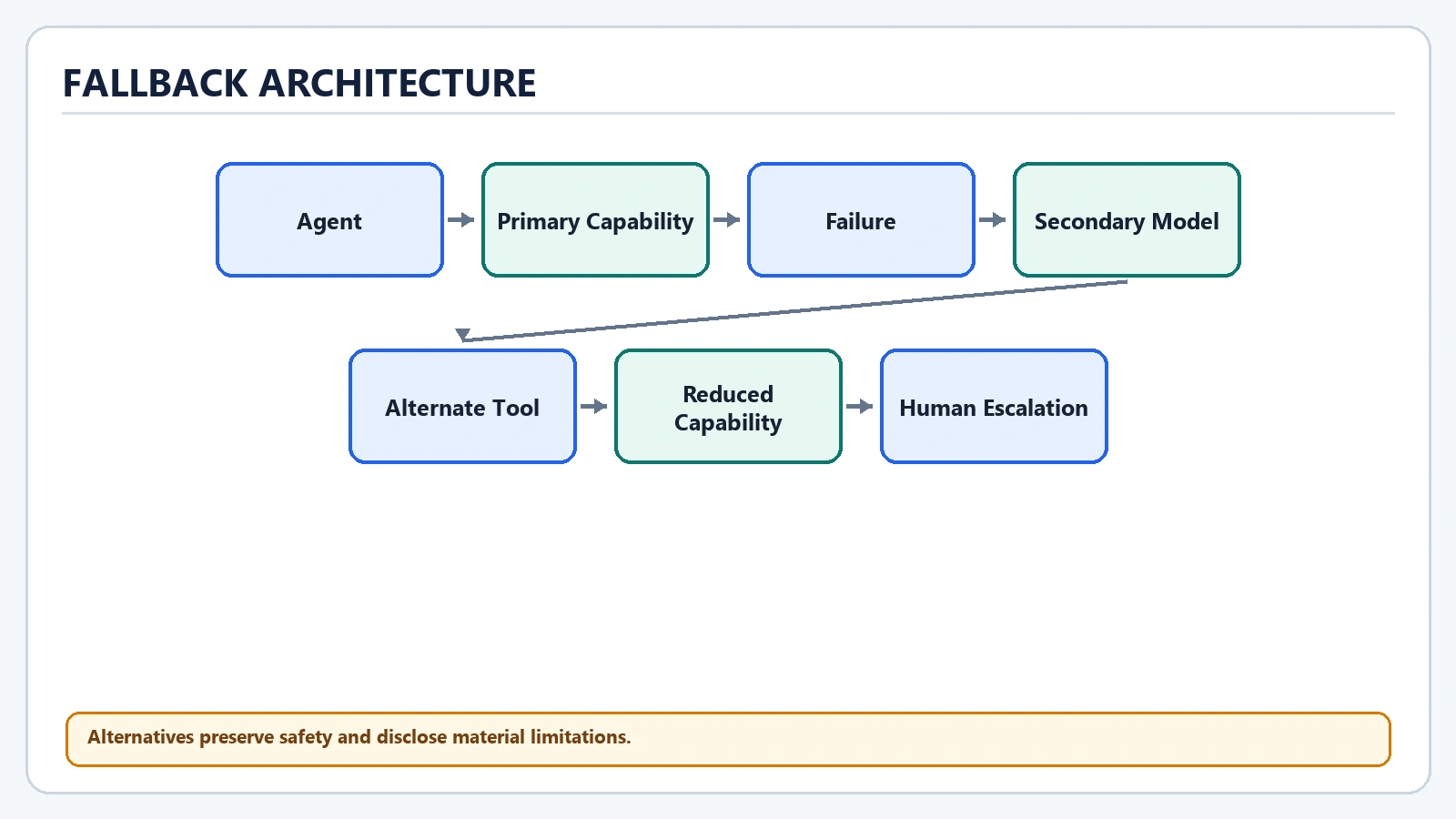
Keep an agent safely useful when models, tools, data, or specialists fail—without fabricating success or silently weakening controls.
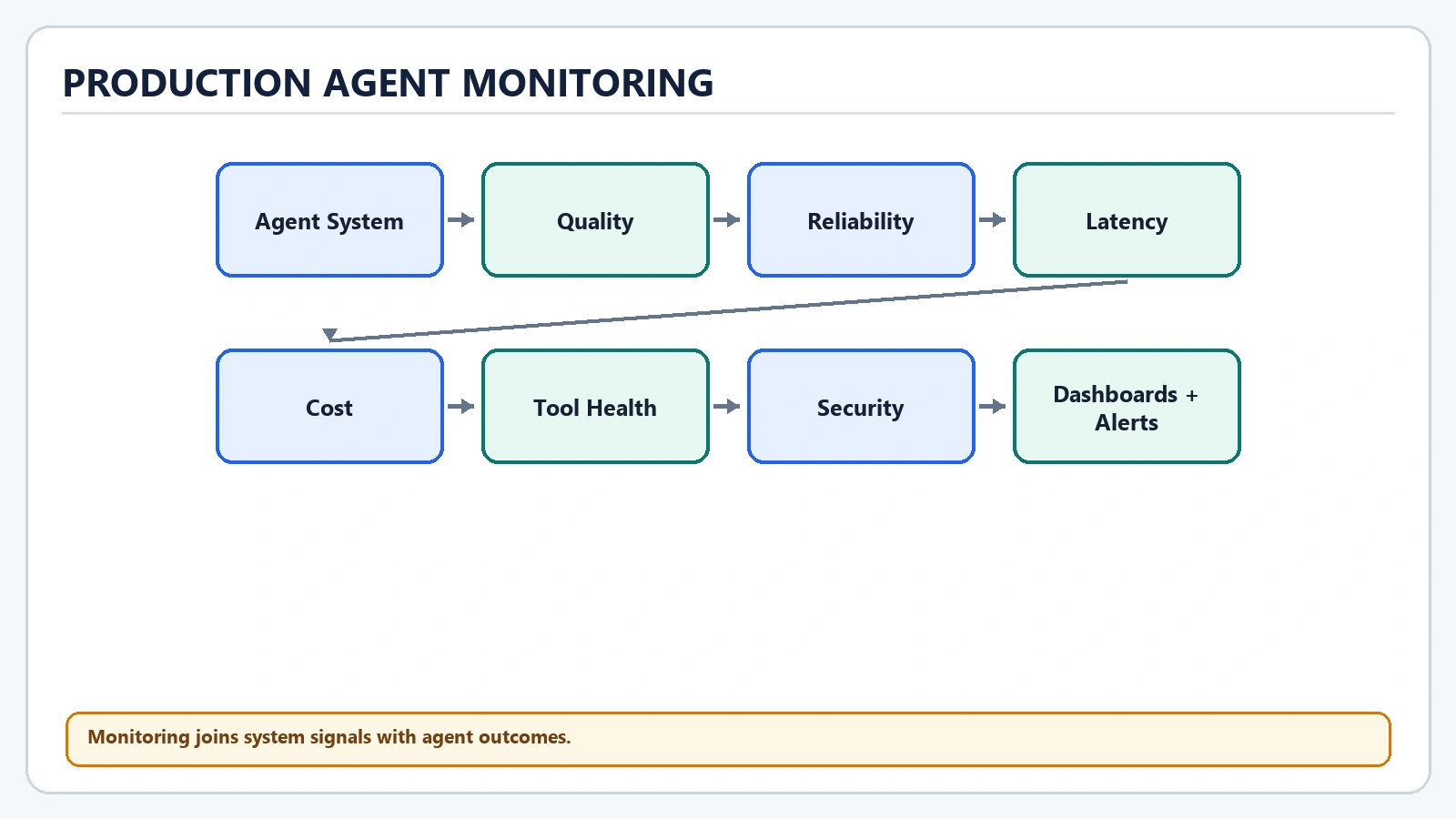
Turn traces, metrics, logs, and evaluations into selected production signals, thresholds, dashboards, and actionable alerts.
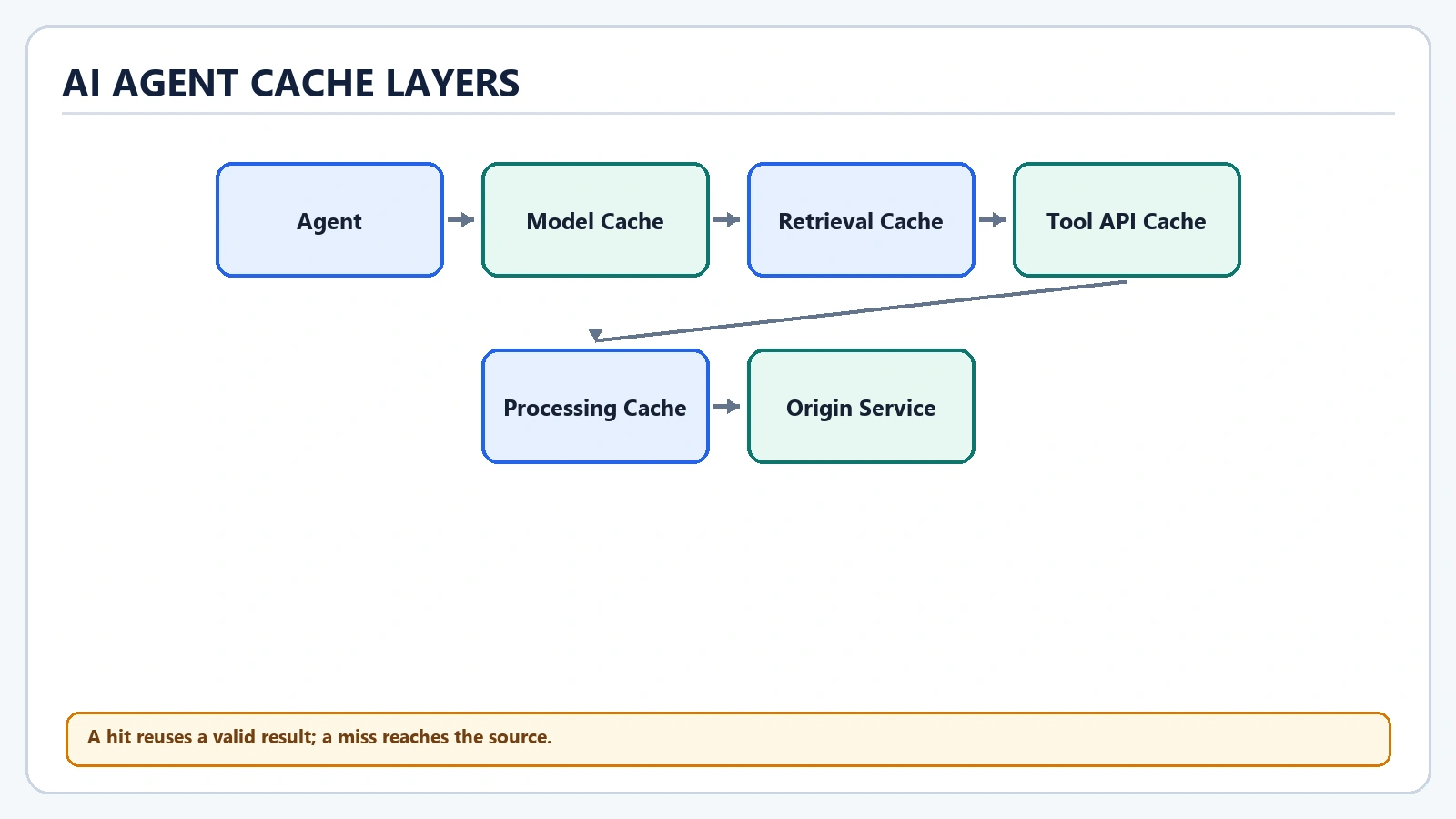
Reuse expensive results only when identity, freshness, authorization, and side-effect semantics make reuse safe.
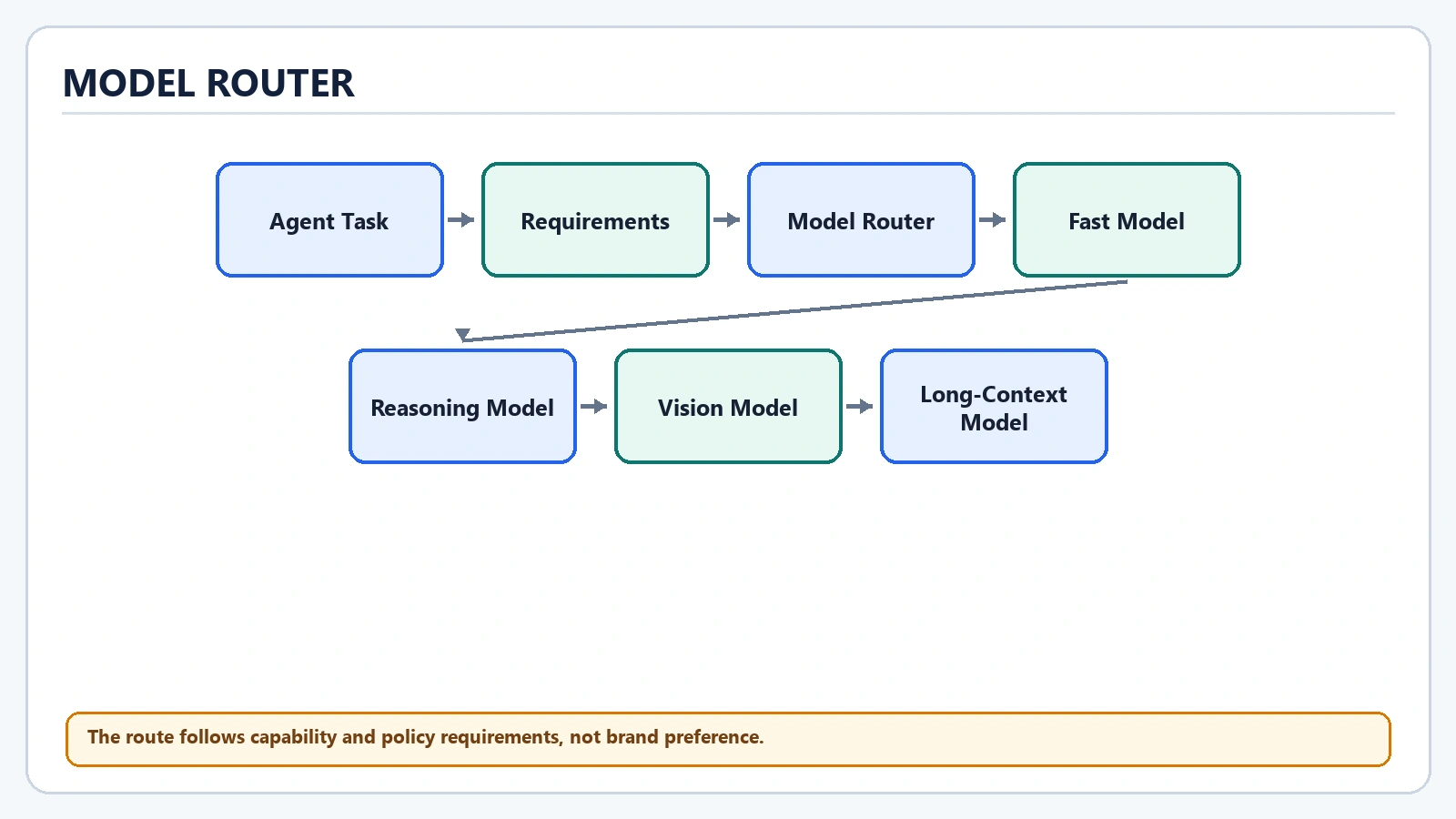
Choose models by task requirements, policy, quality, latency, and cost instead of sending every step to one default.
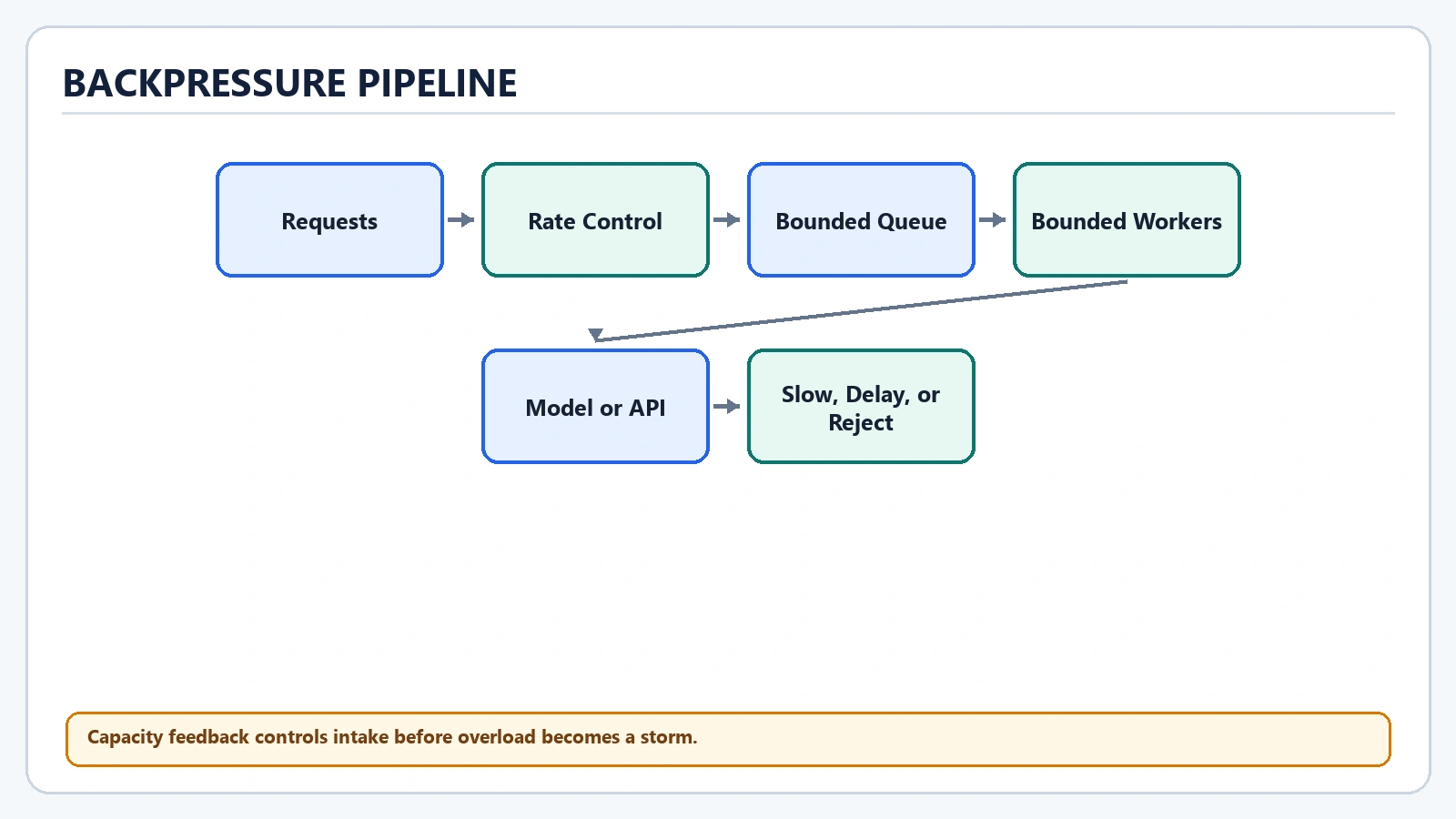
Control overload before immediate retries turn constrained models, tools, or workers into a failure storm.
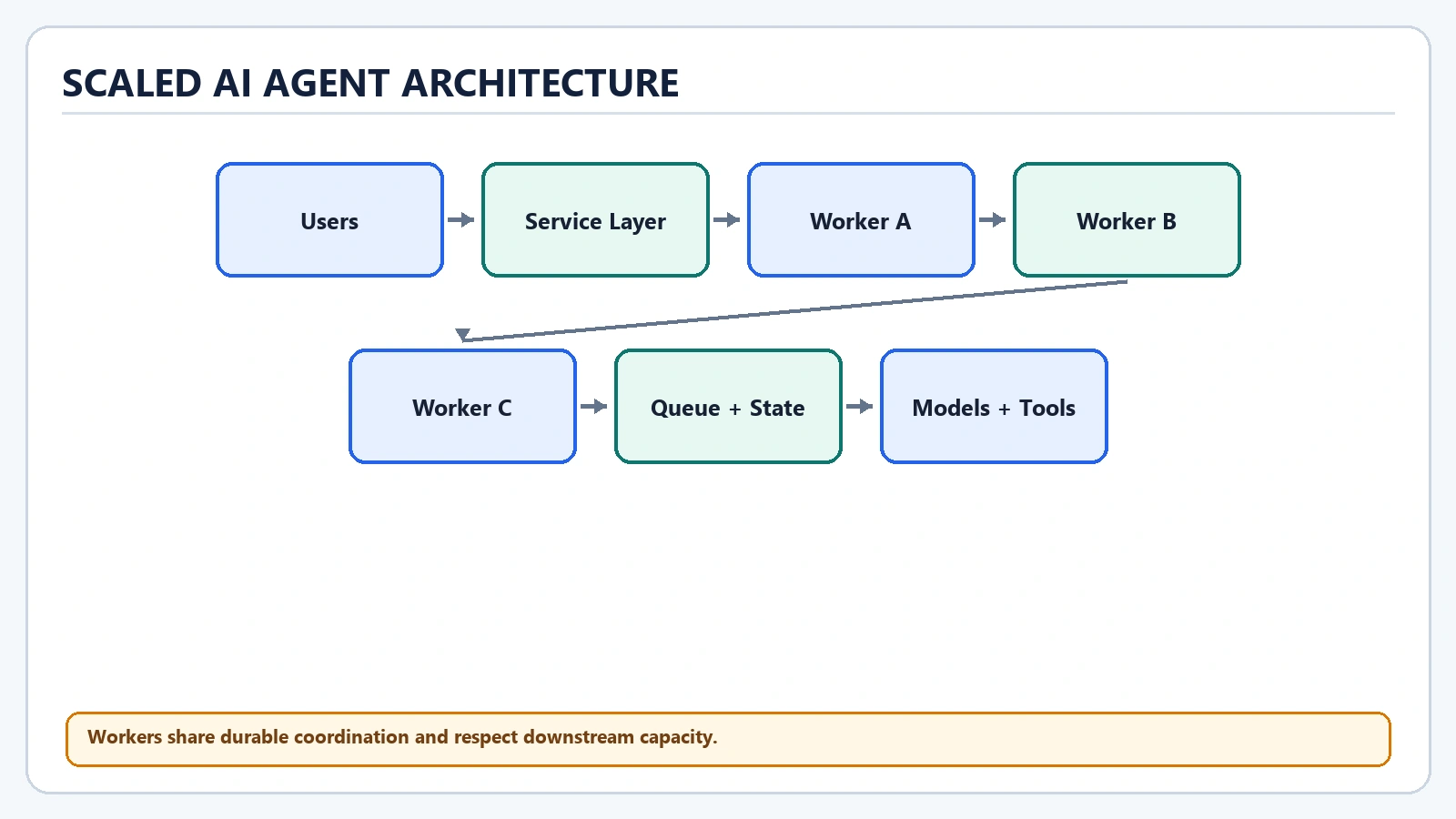
Grow workload capacity safely by separating stateless runtimes from durable tasks and protecting constrained dependencies.
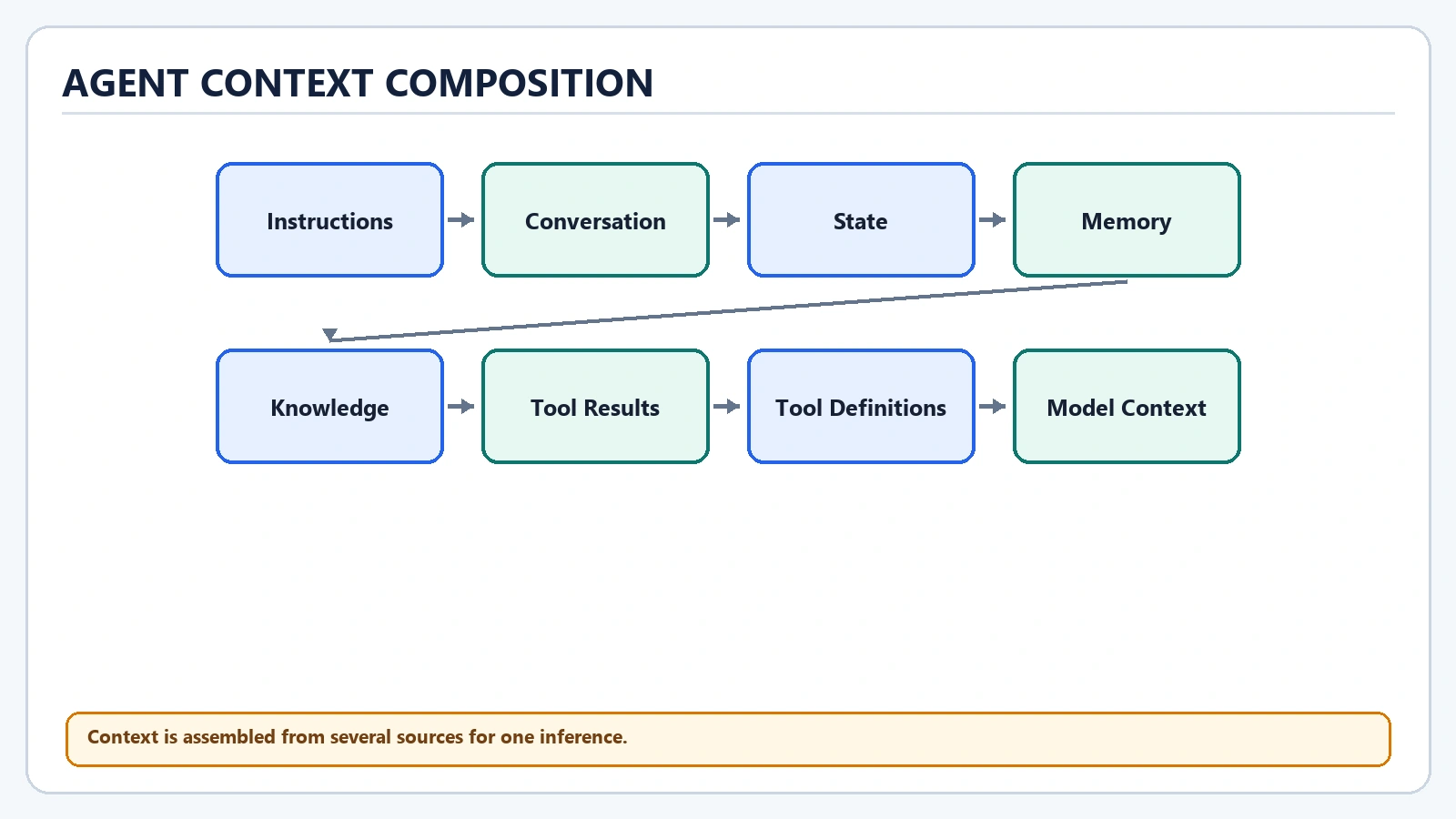
Build focused model context that preserves decision-relevant information while removing repeated and irrelevant tokens.
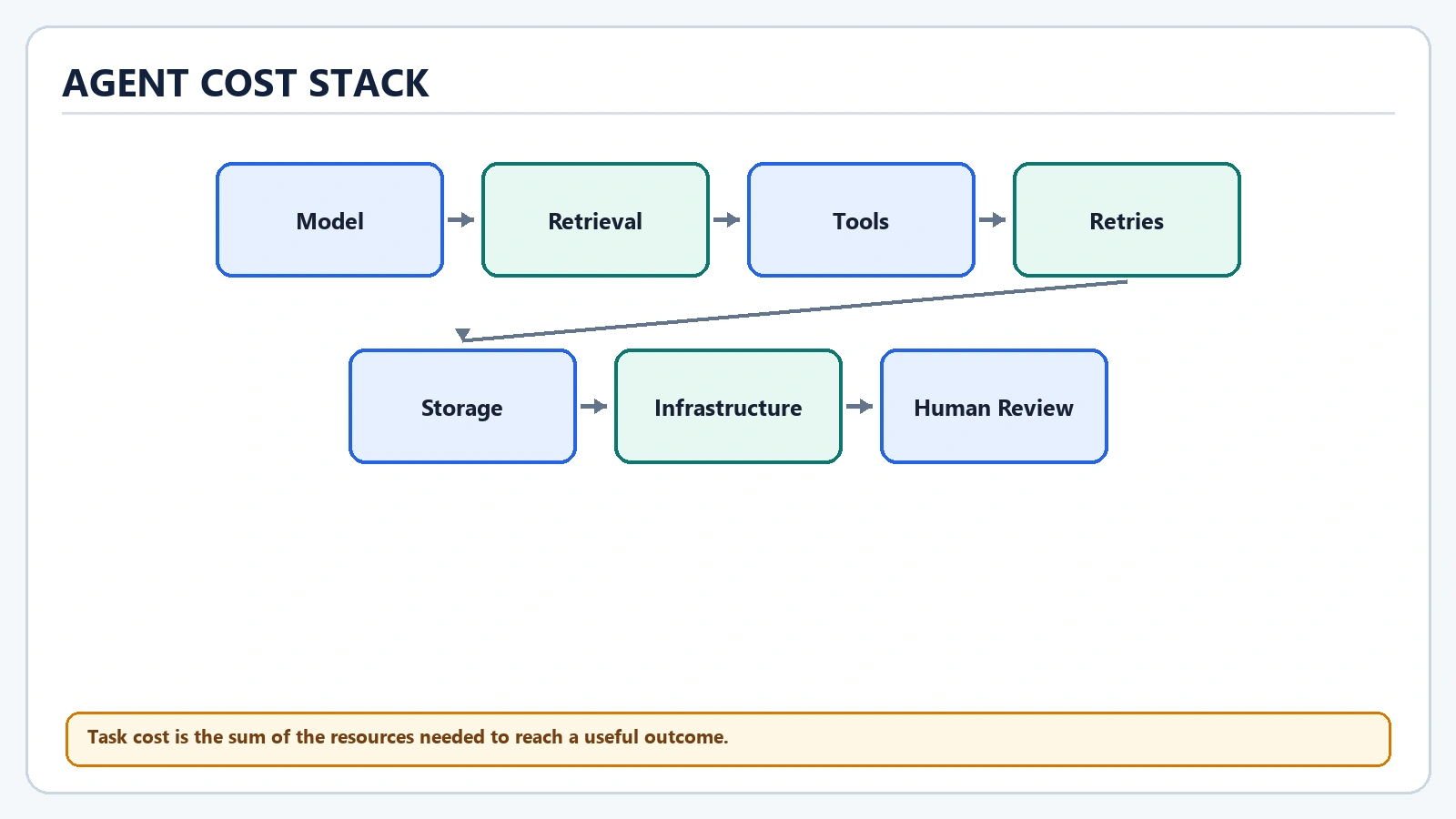
Control the cost of successful agent outcomes, not merely the price of one model call.
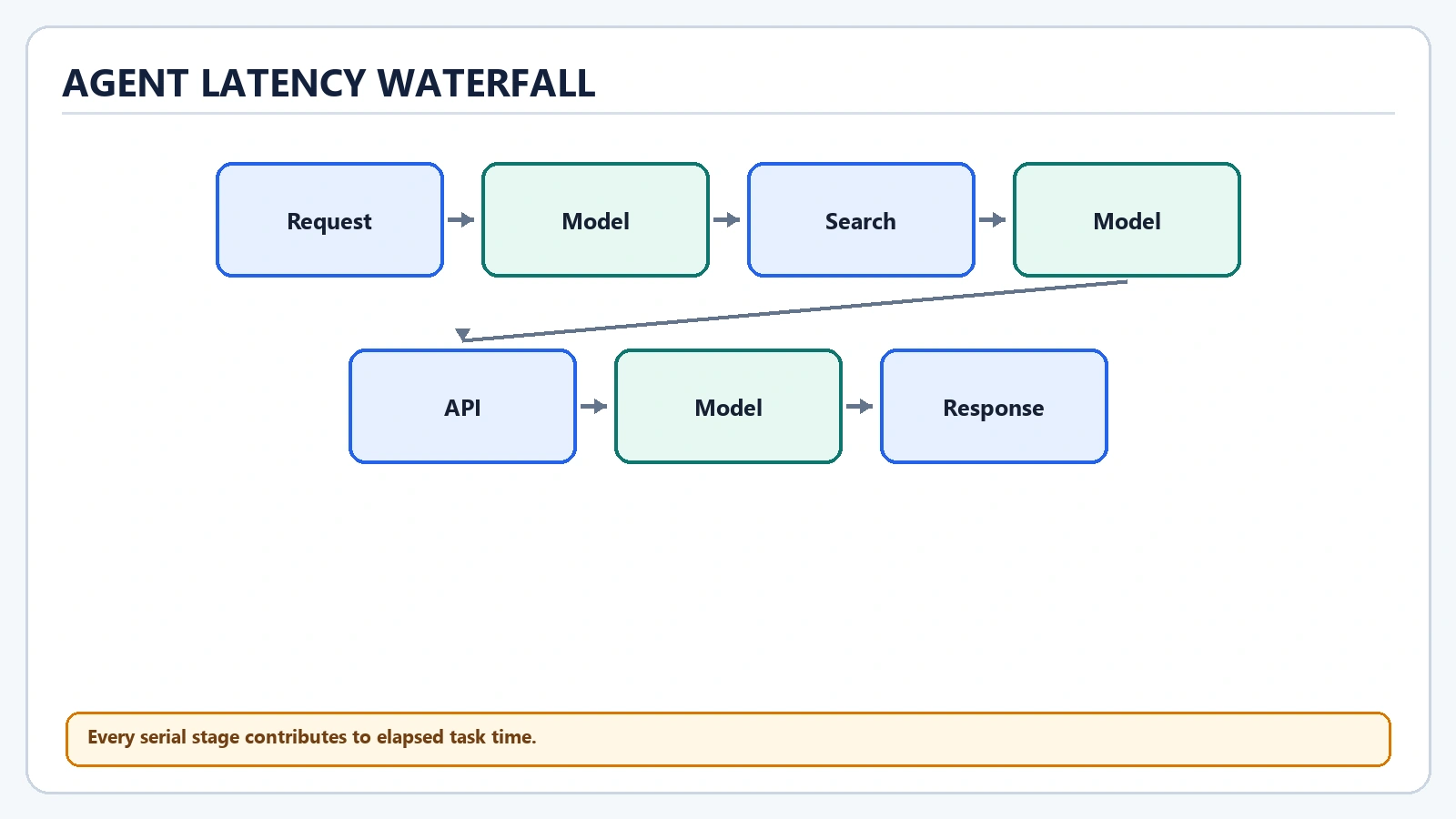
Why multi-step agents feel slow, where elapsed time accumulates, and how to improve speed without breaking the task.
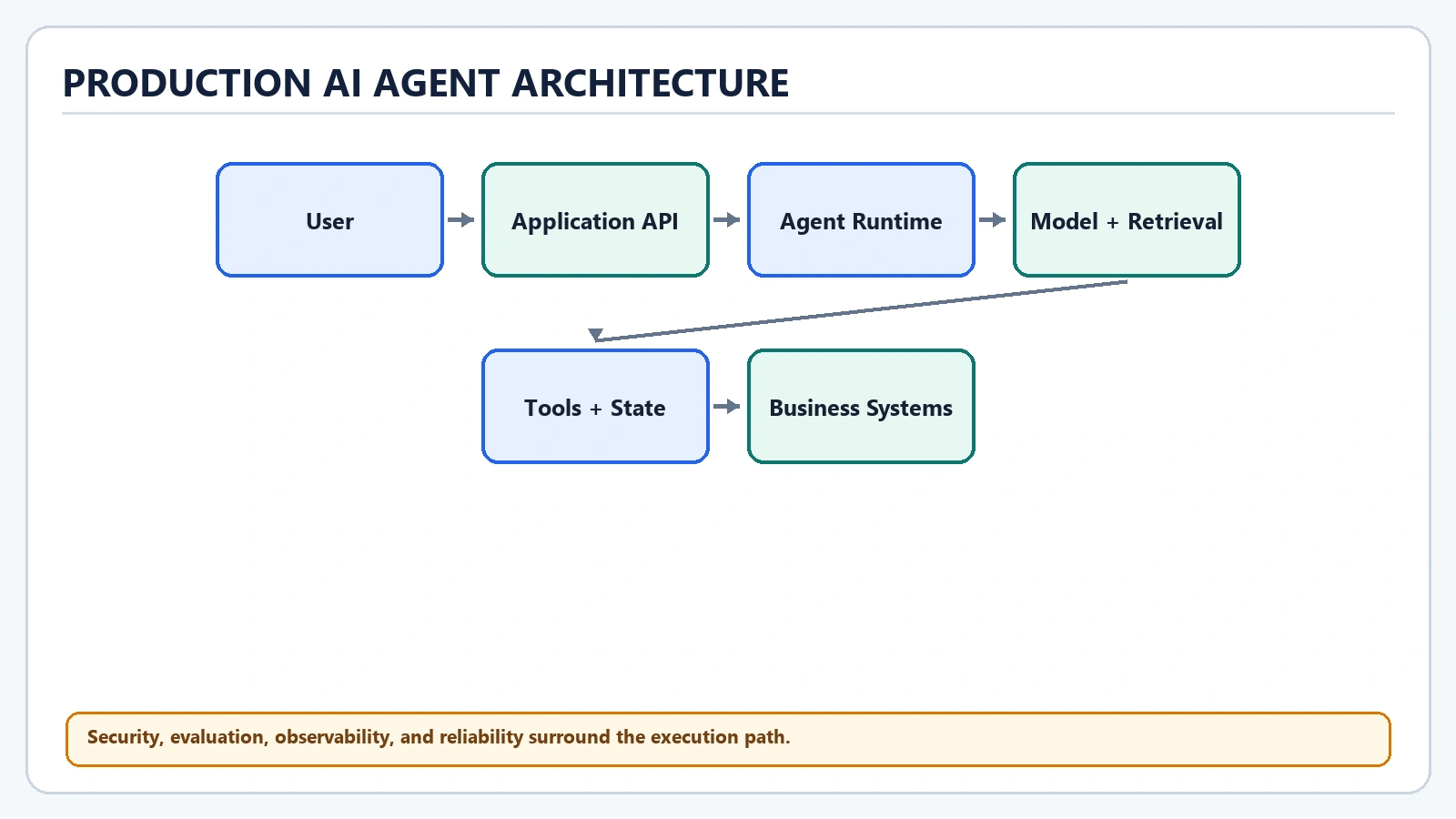
A practical path from a local agent prototype to a controlled, observable, and reversible production service.
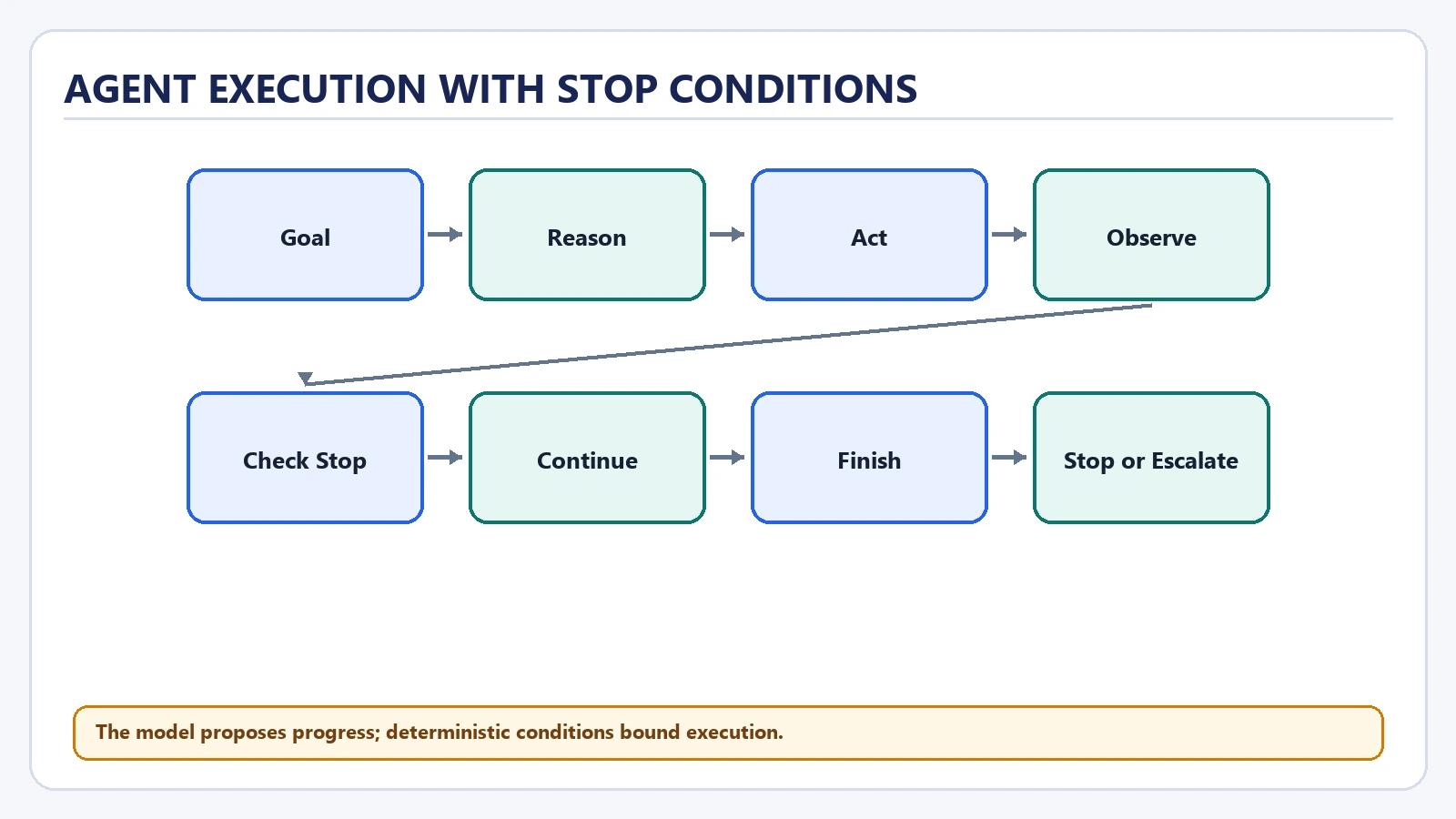
A practical, production-oriented explanation of agent stopping conditions, with examples, boundaries, trade-offs, and failure handling patterns.
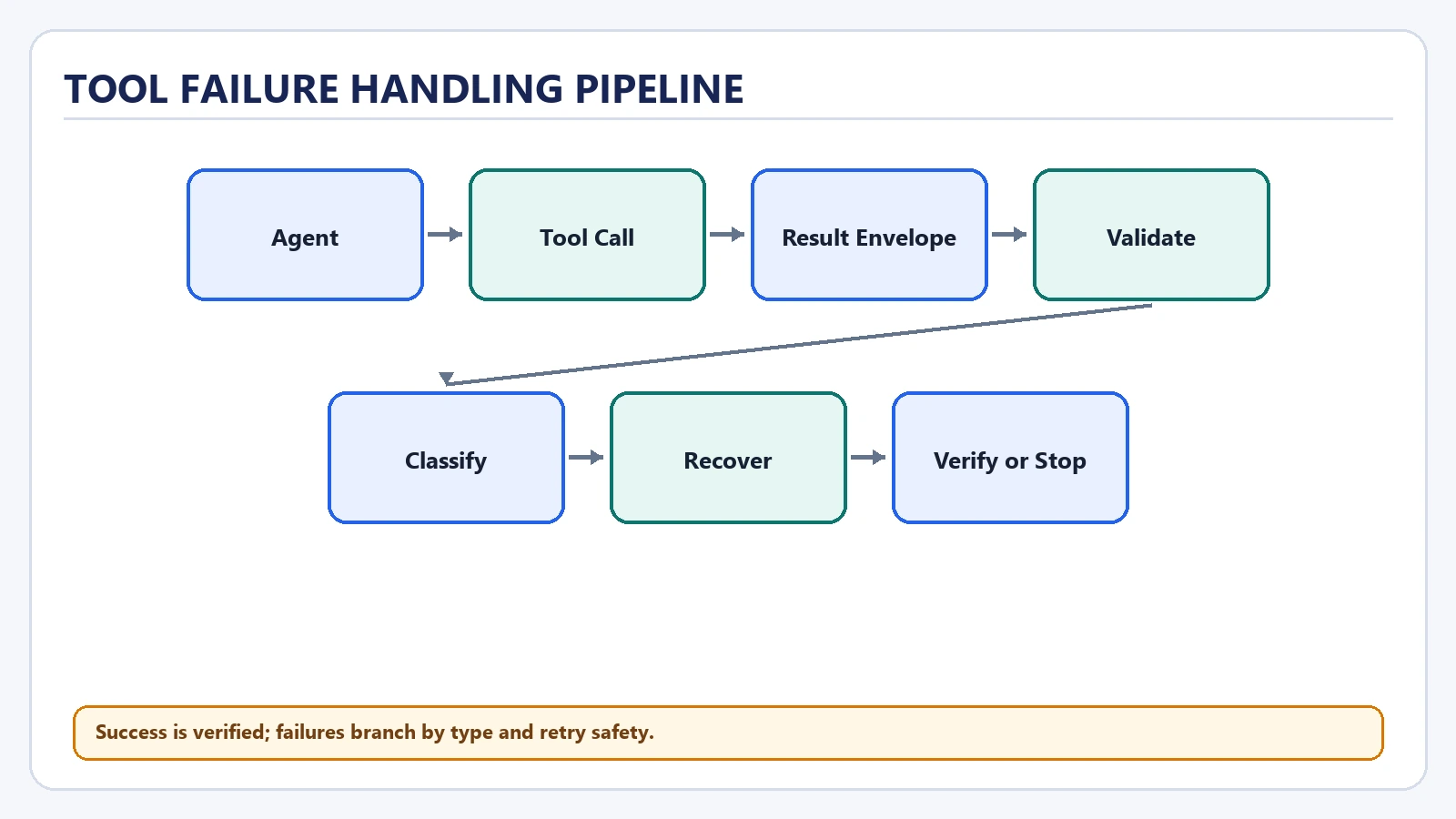
A practical, production-oriented explanation of tool failure handling, with examples, boundaries, trade-offs, and failure handling patterns.
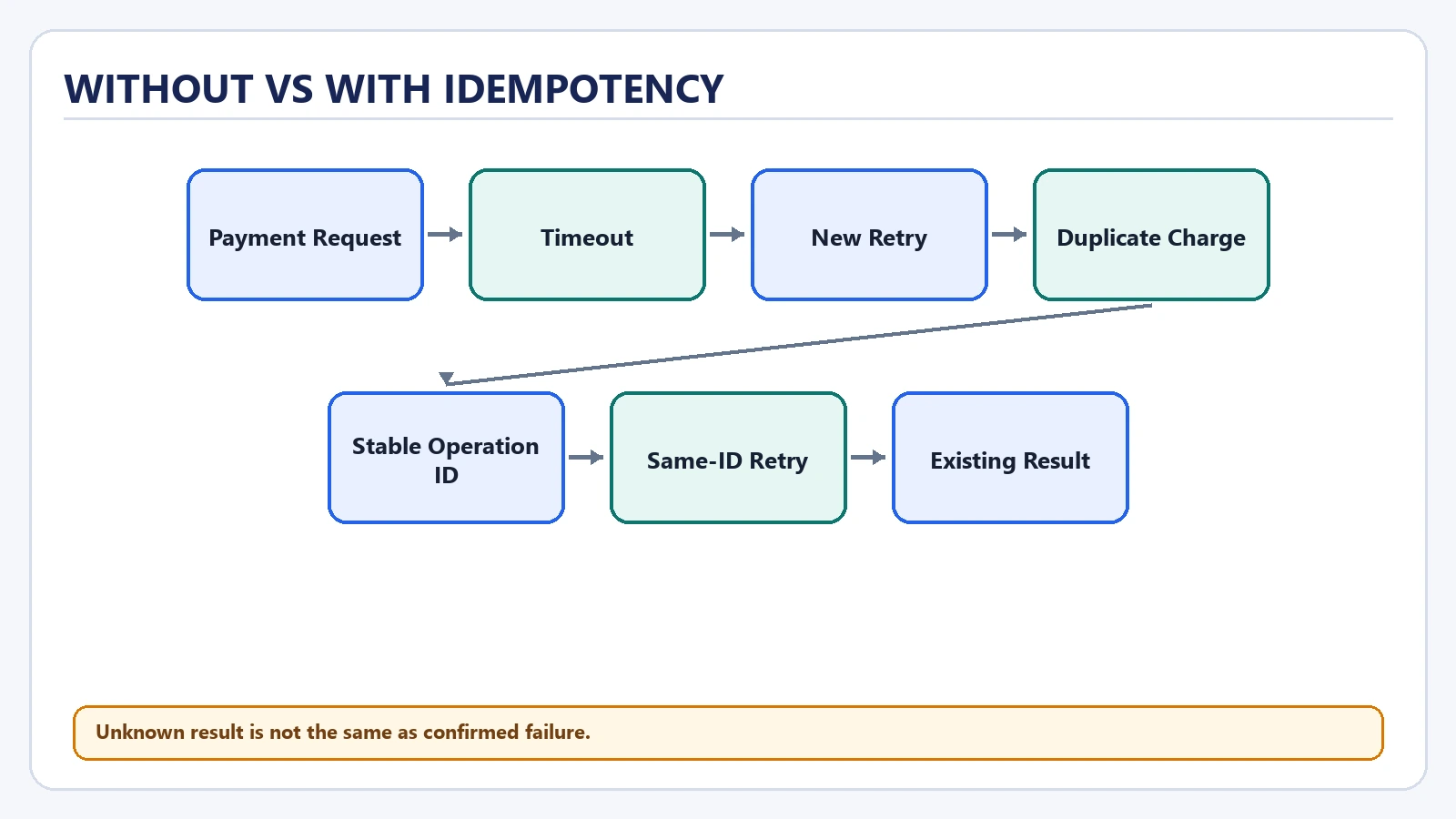
A practical, production-oriented explanation of idempotency in agent workflows, with examples, boundaries, trade-offs, and failure handling patterns.
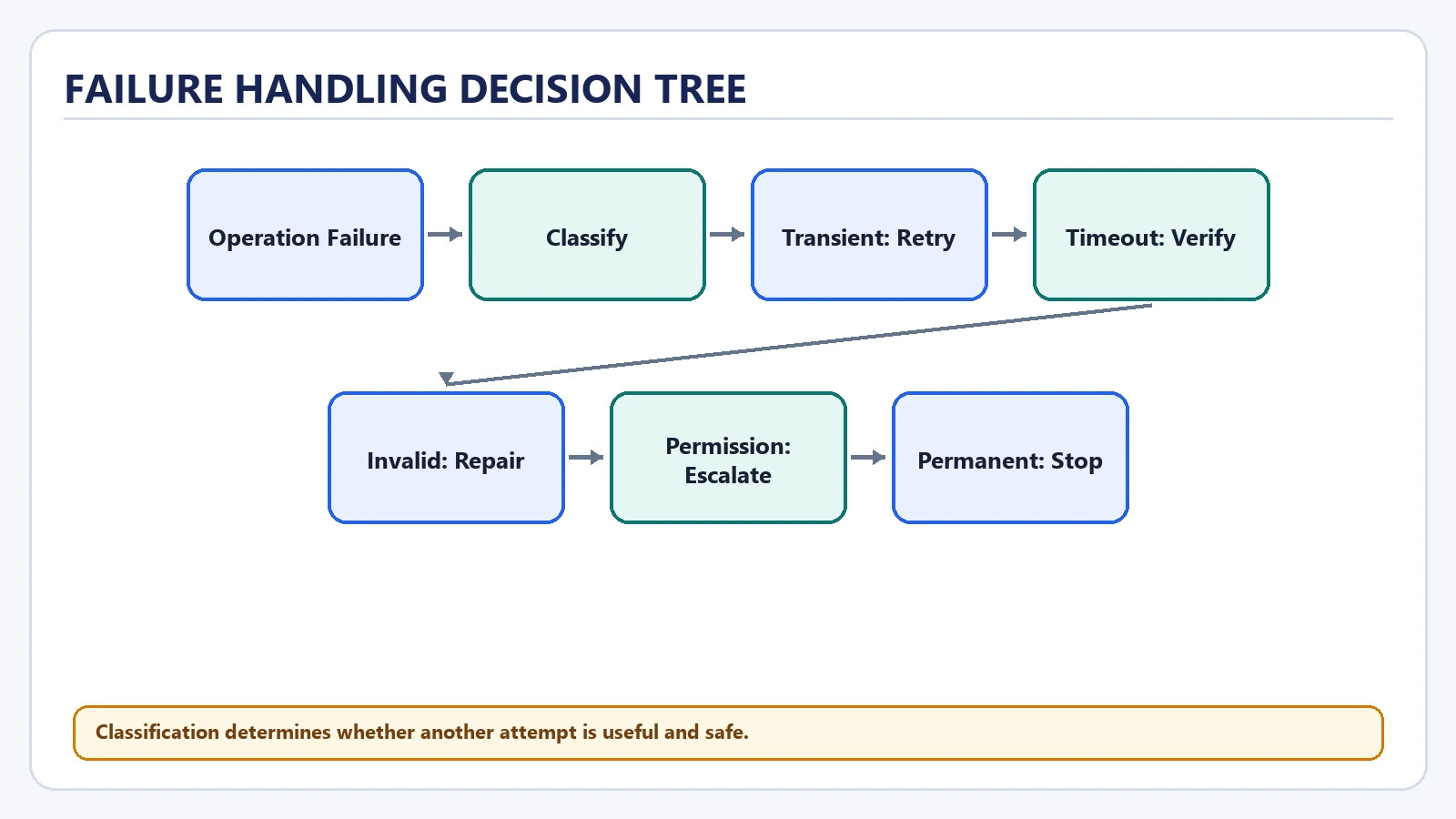
A practical, production-oriented explanation of retries, timeouts, and failure recovery, with examples, boundaries, trade-offs, and failure handling patterns.
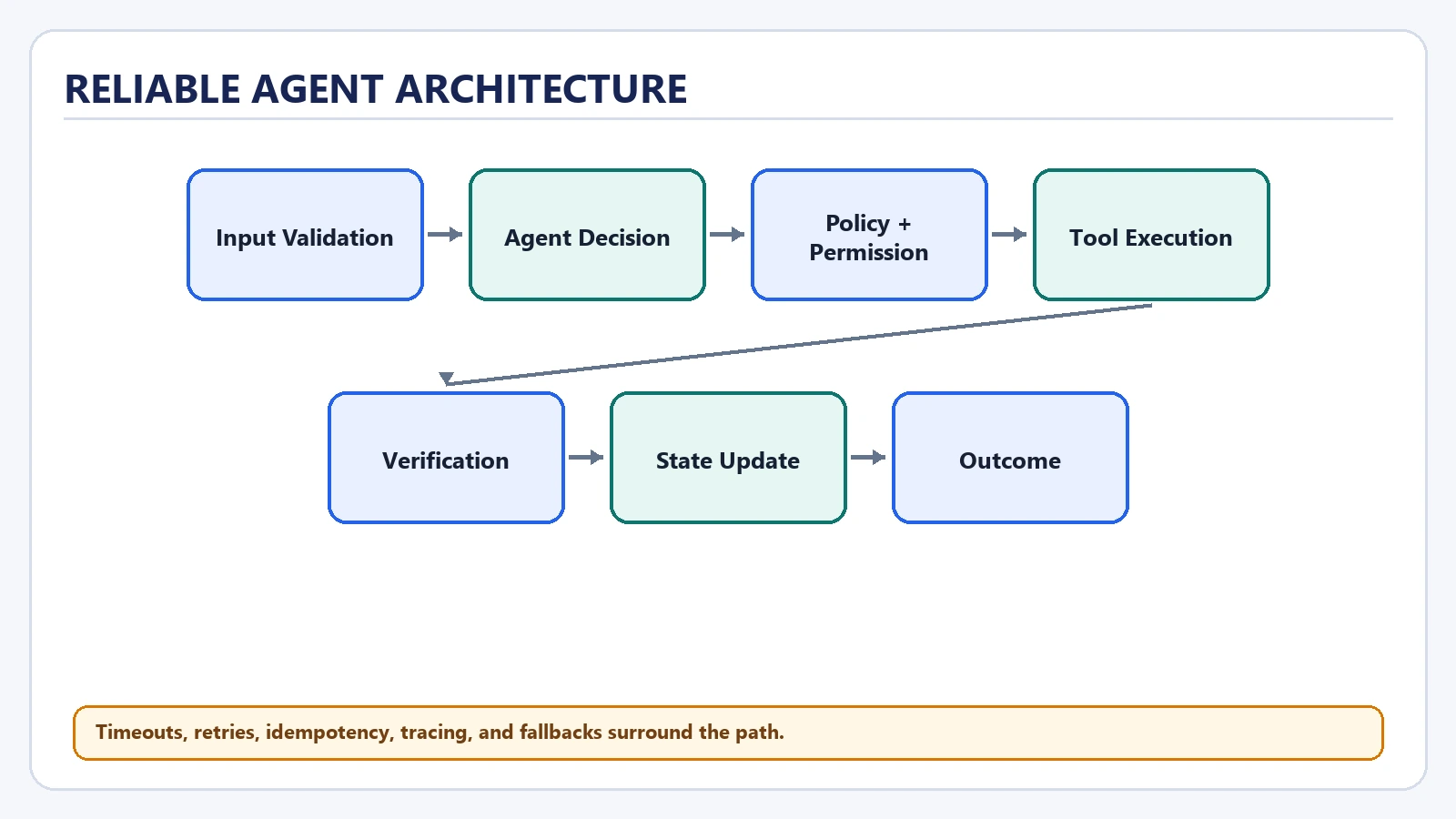
A practical, production-oriented explanation of reliable AI agent architecture, with examples, boundaries, trade-offs, and failure handling patterns.
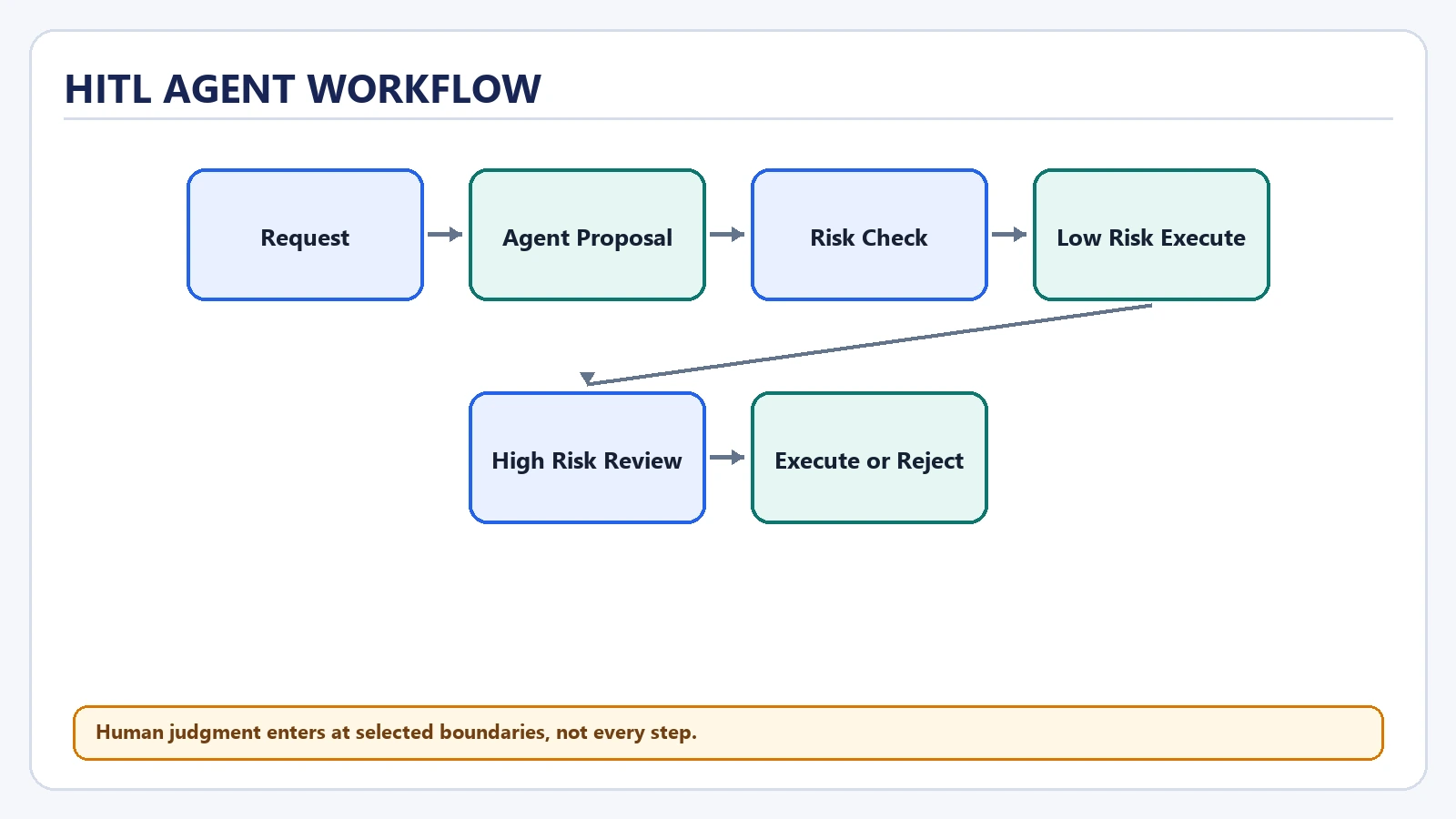
A practical, production-oriented explanation of human-in-the-loop control, with examples, boundaries, trade-offs, and failure handling patterns.
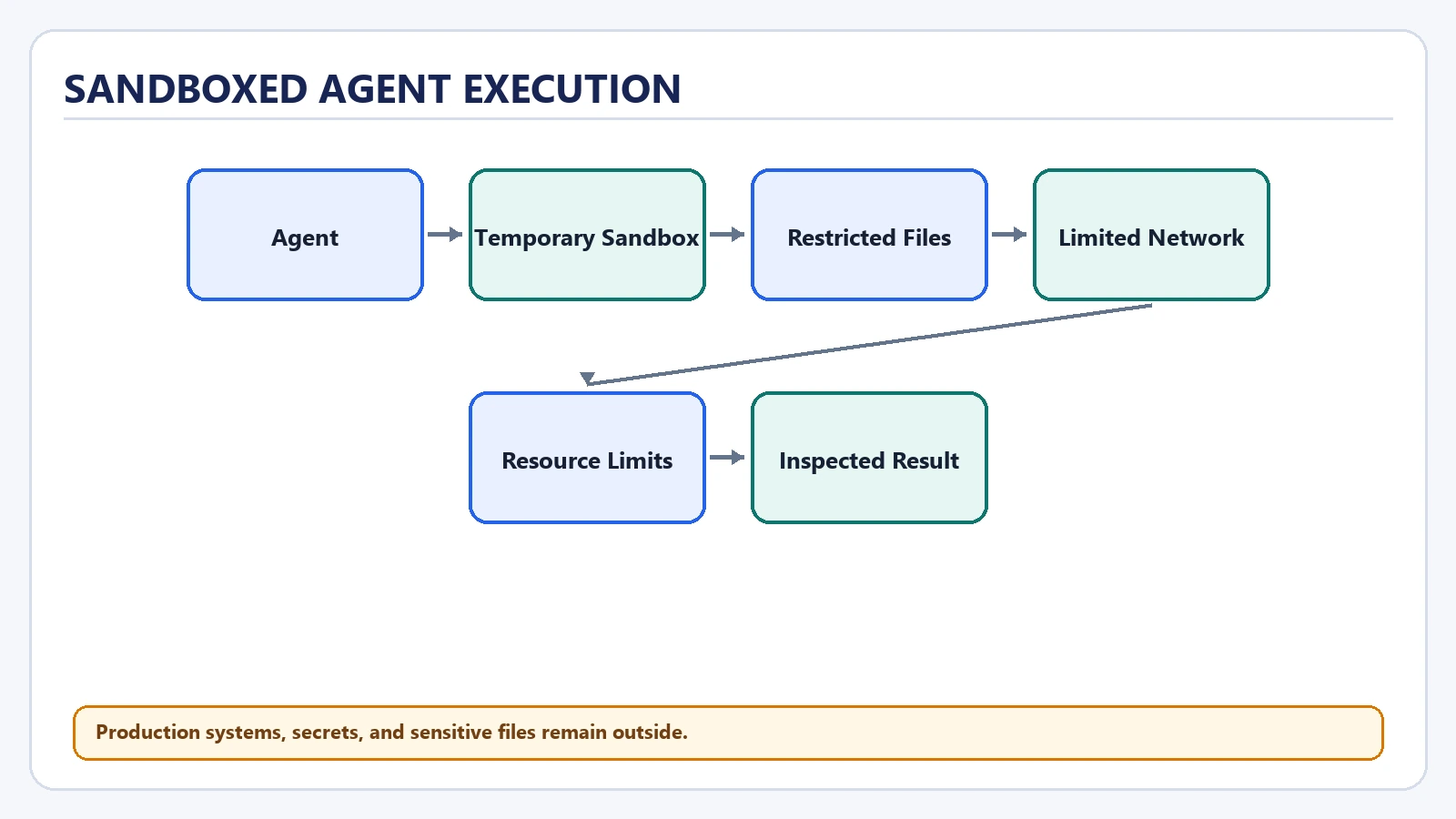
A practical, production-oriented explanation of sandboxed agent execution, with examples, boundaries, trade-offs, and failure handling patterns.
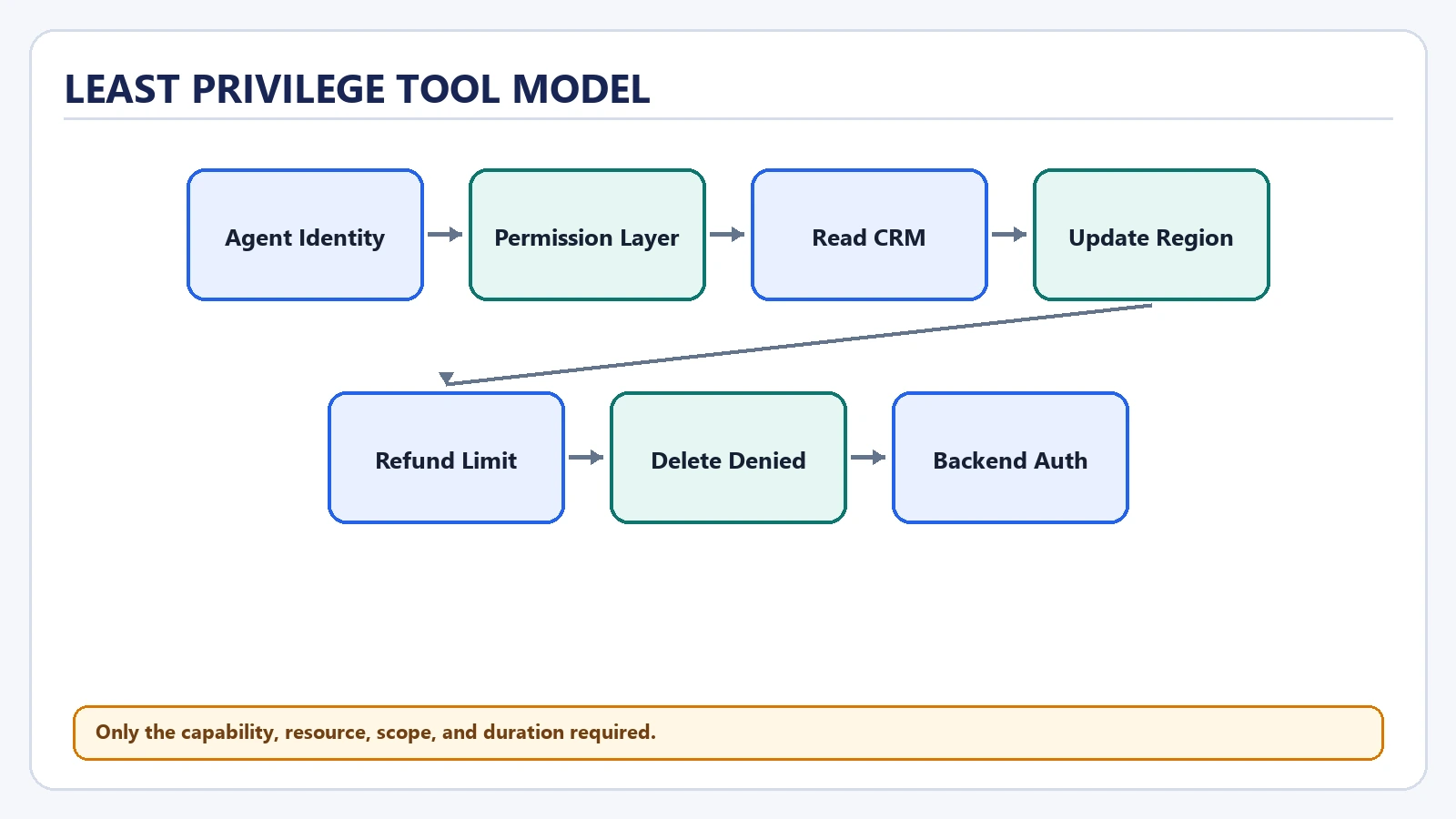
A practical, production-oriented explanation of least-privilege tool permissions, with examples, boundaries, trade-offs, and failure handling patterns.
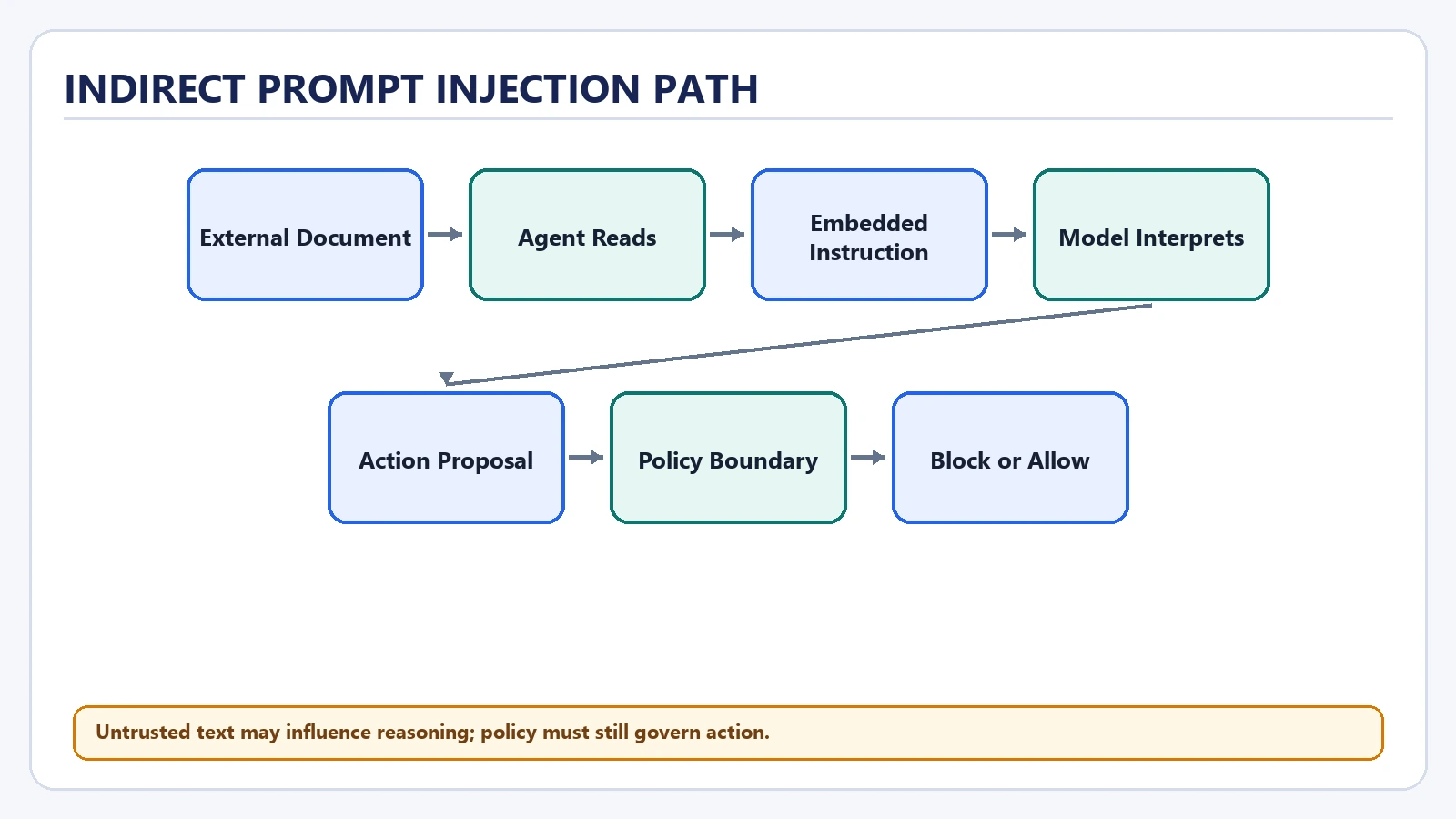
A practical, production-oriented explanation of prompt injection in tool-using agents, with examples, boundaries, trade-offs, and failure handling patterns.
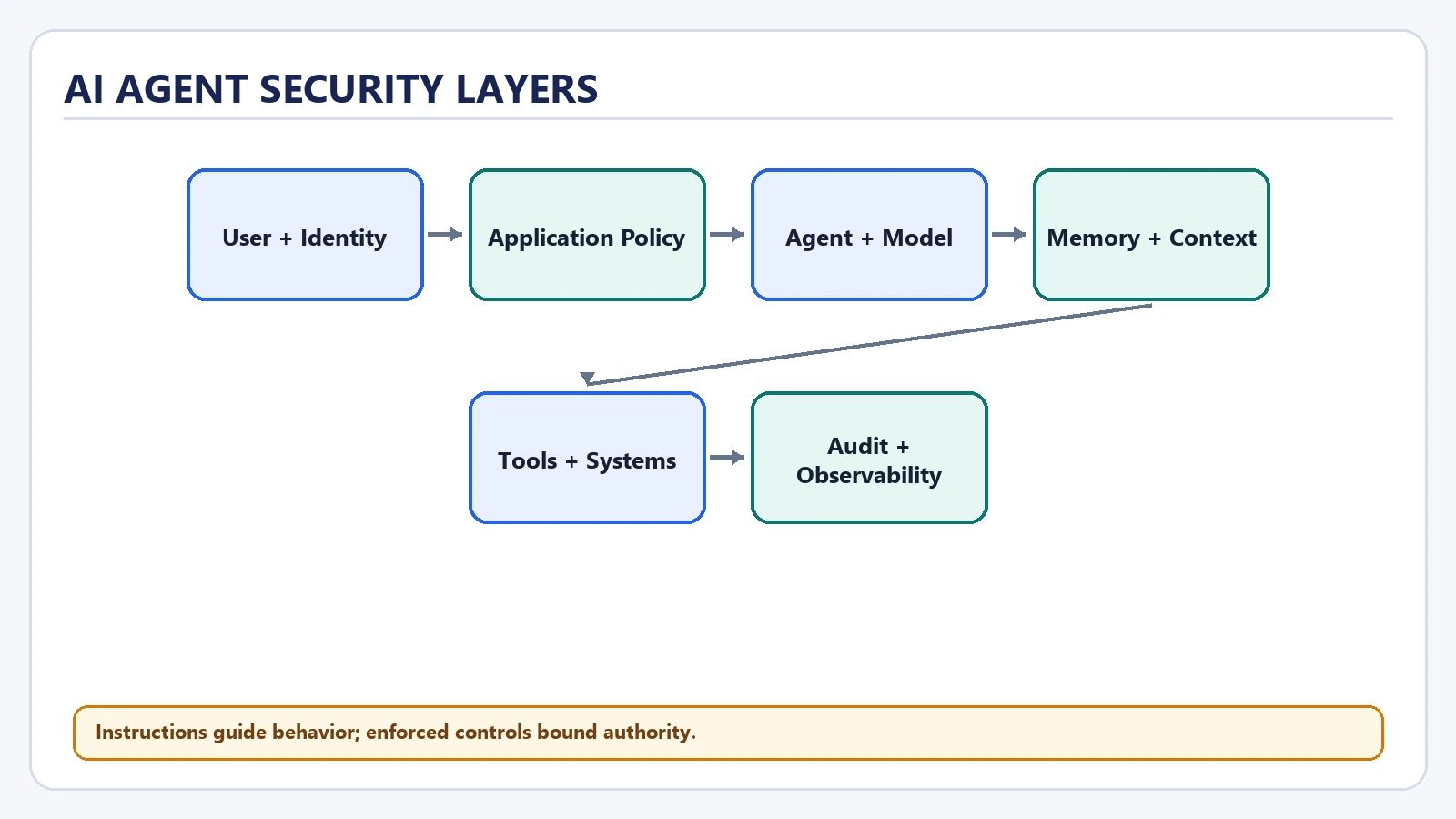
A practical, production-oriented explanation of the security model of an AI agent, with examples, boundaries, trade-offs, and failure handling patterns.
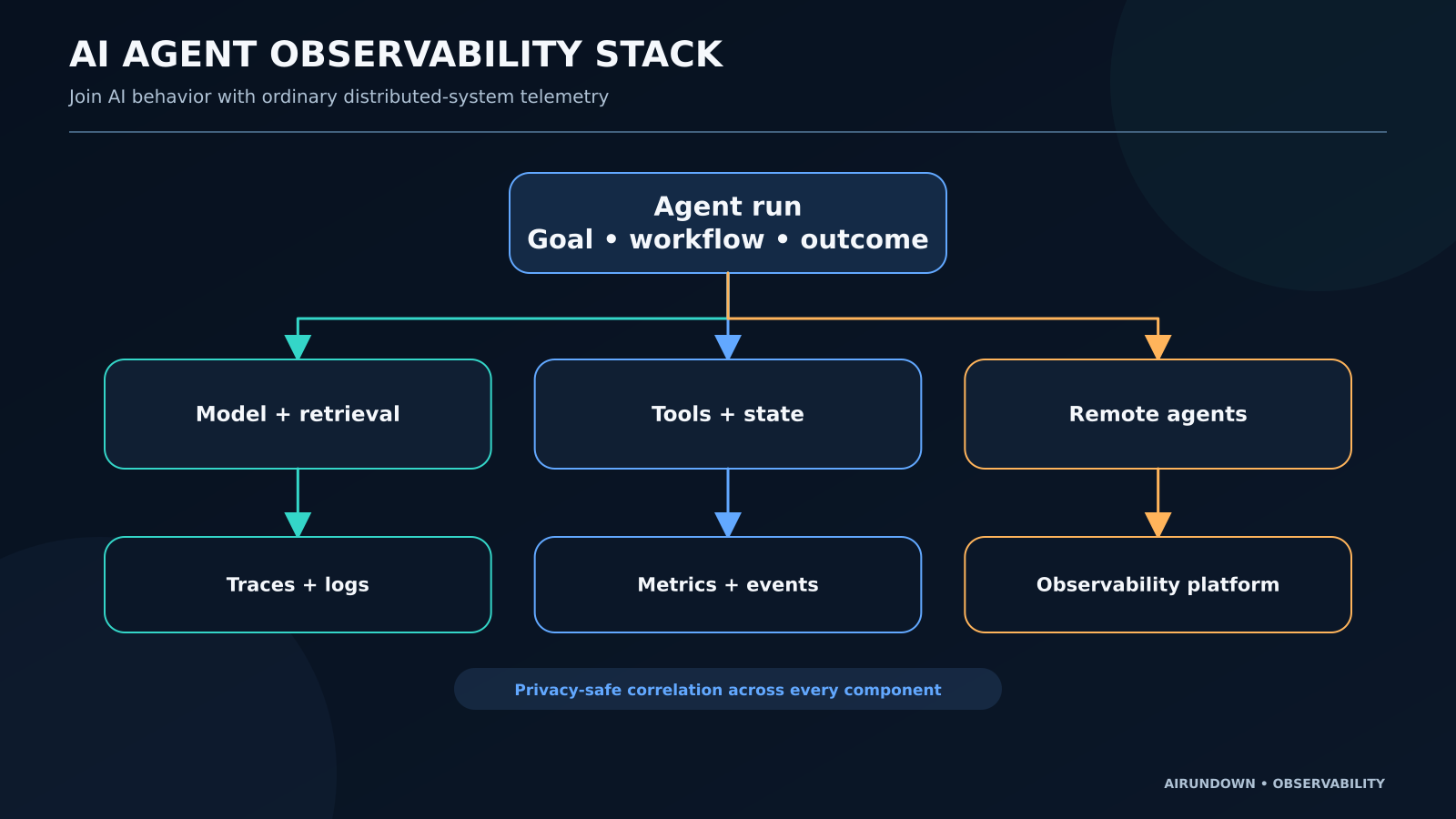
A production observability model for agent, model, retrieval, tool, sub-agent, and infrastructure signals—with privacy and redaction controls.
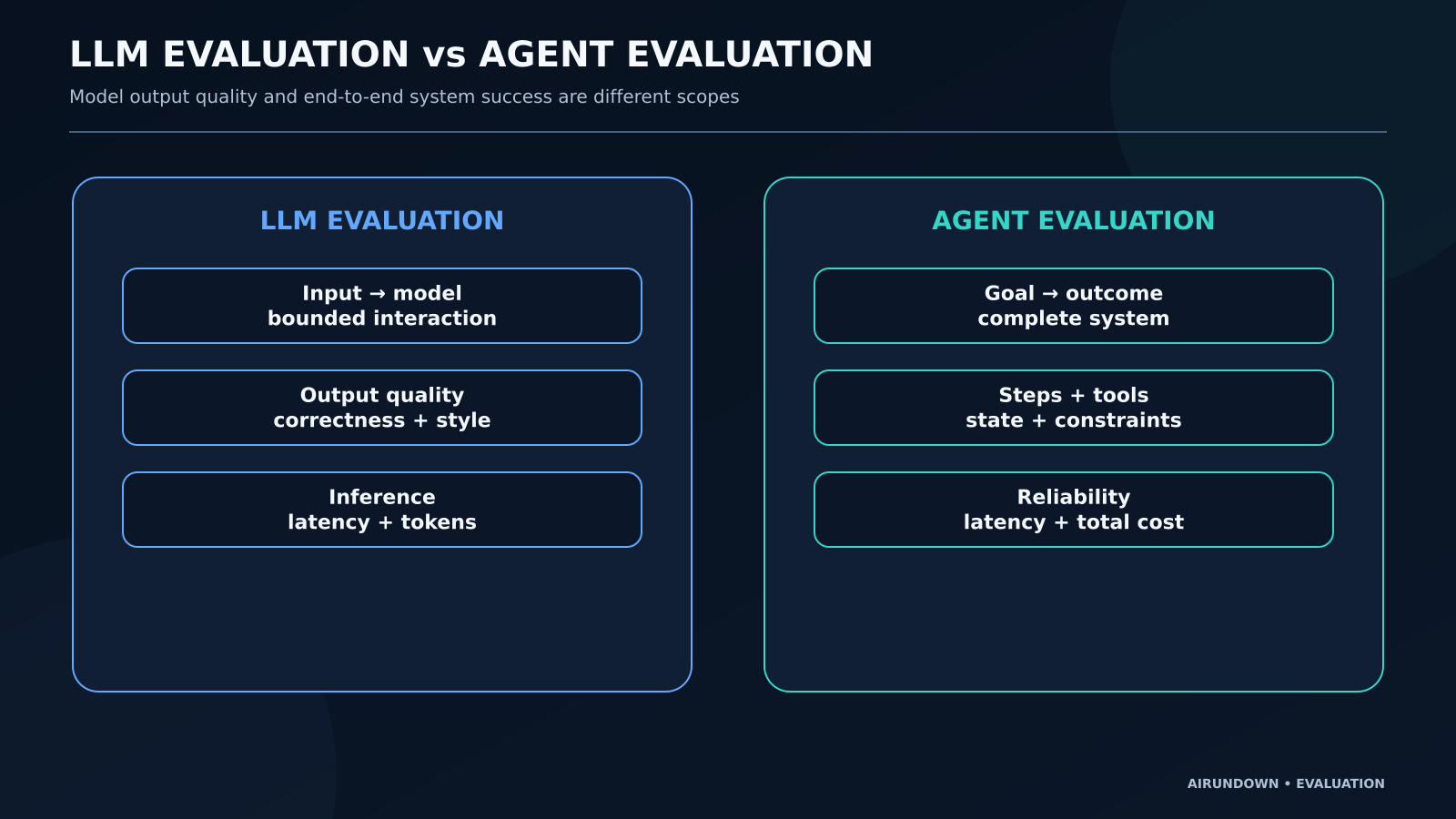
LLM evaluation scores model outputs; agent evaluation measures the whole goal-directed system, including tools, state, constraints, reliability, latency, and cost.
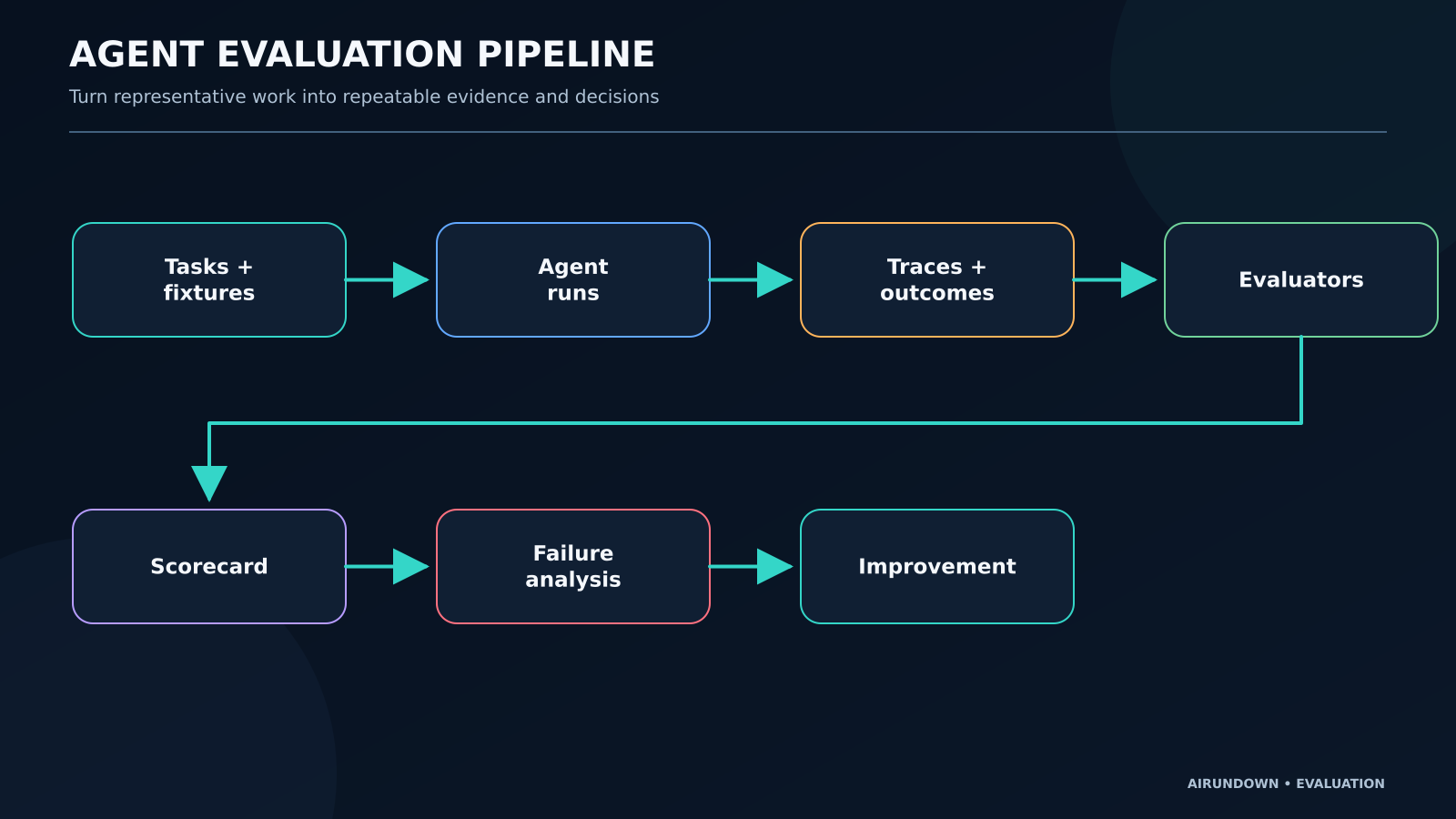
A practical workflow for defining agent success, building evaluation datasets, capturing traces, scoring behavior, analyzing failures, and preventing regressions.
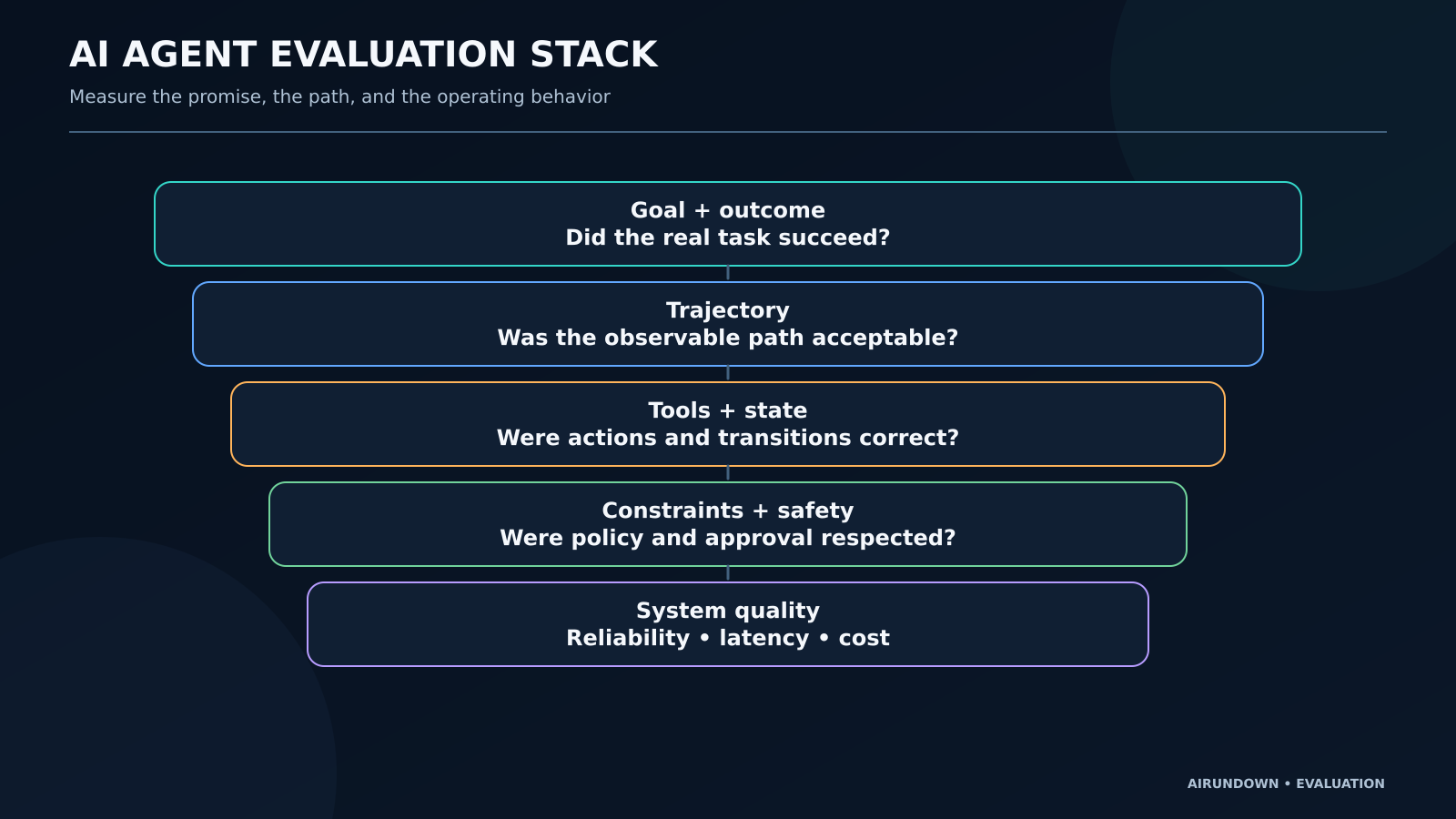
Agent evaluation measures task outcomes, trajectories, tool behavior, constraints, safety, reliability, latency, and cost—not only final prose.
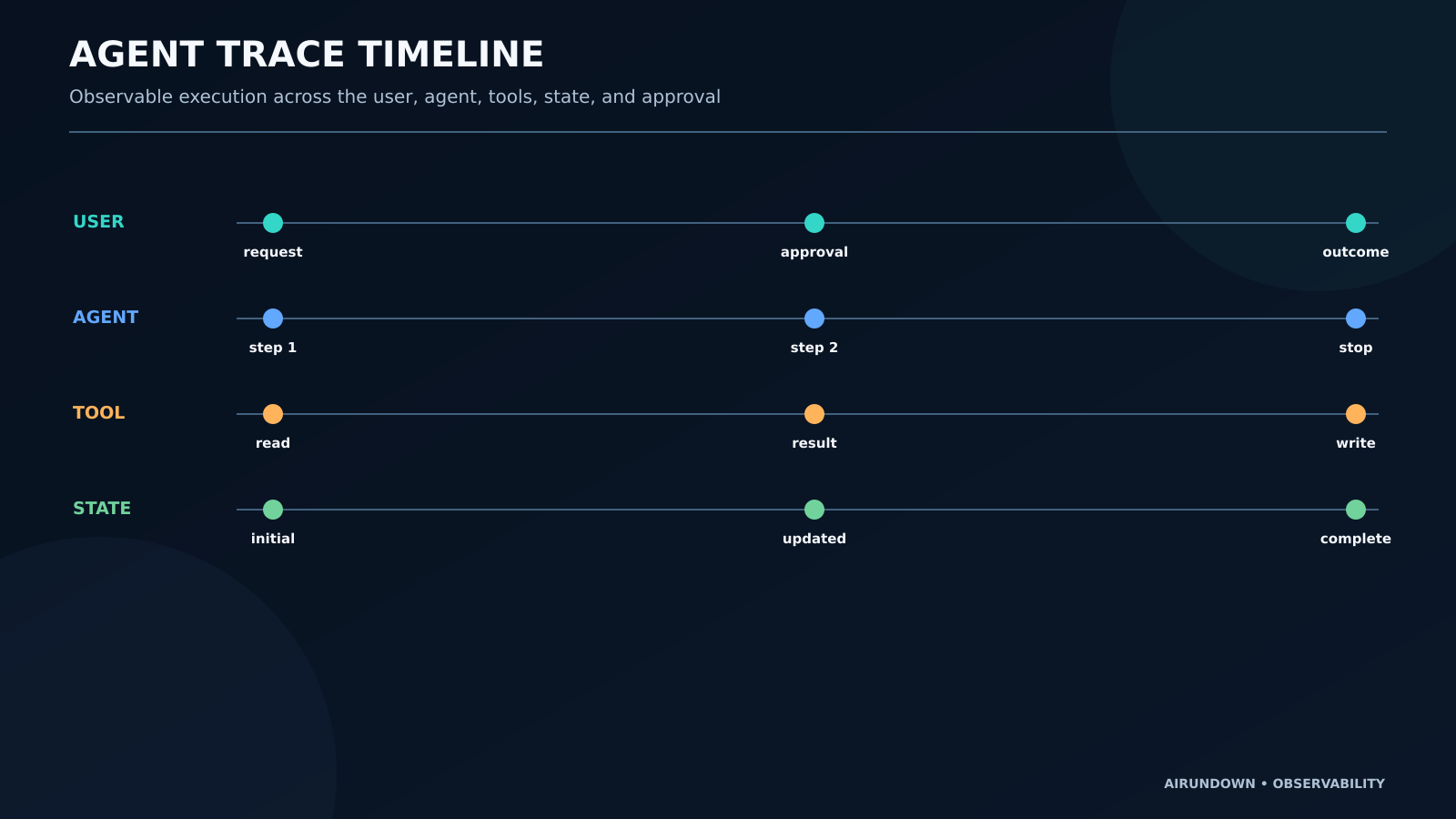
Learn how traces and trajectories represent observable agent execution without requiring storage or exposure of private chain-of-thought.