AI Agent Architecture: Components and Data Flow
Understand modern AI-agent architecture from goals and instructions through reasoning, tools, observations, state updates, guardrails, and stopping.
6 articles — updated daily
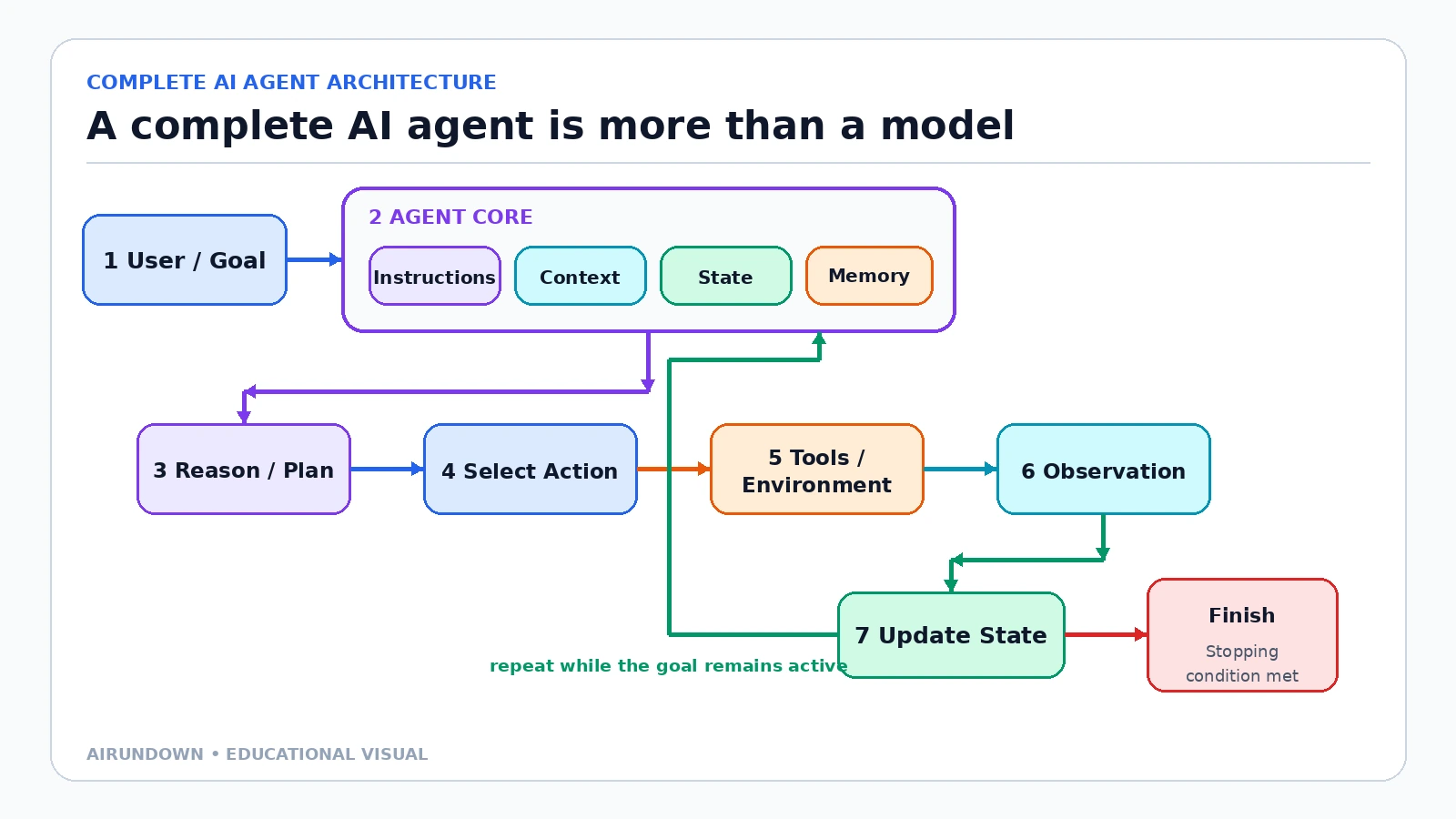
Understand modern AI-agent architecture from goals and instructions through reasoning, tools, observations, state updates, guardrails, and stopping.
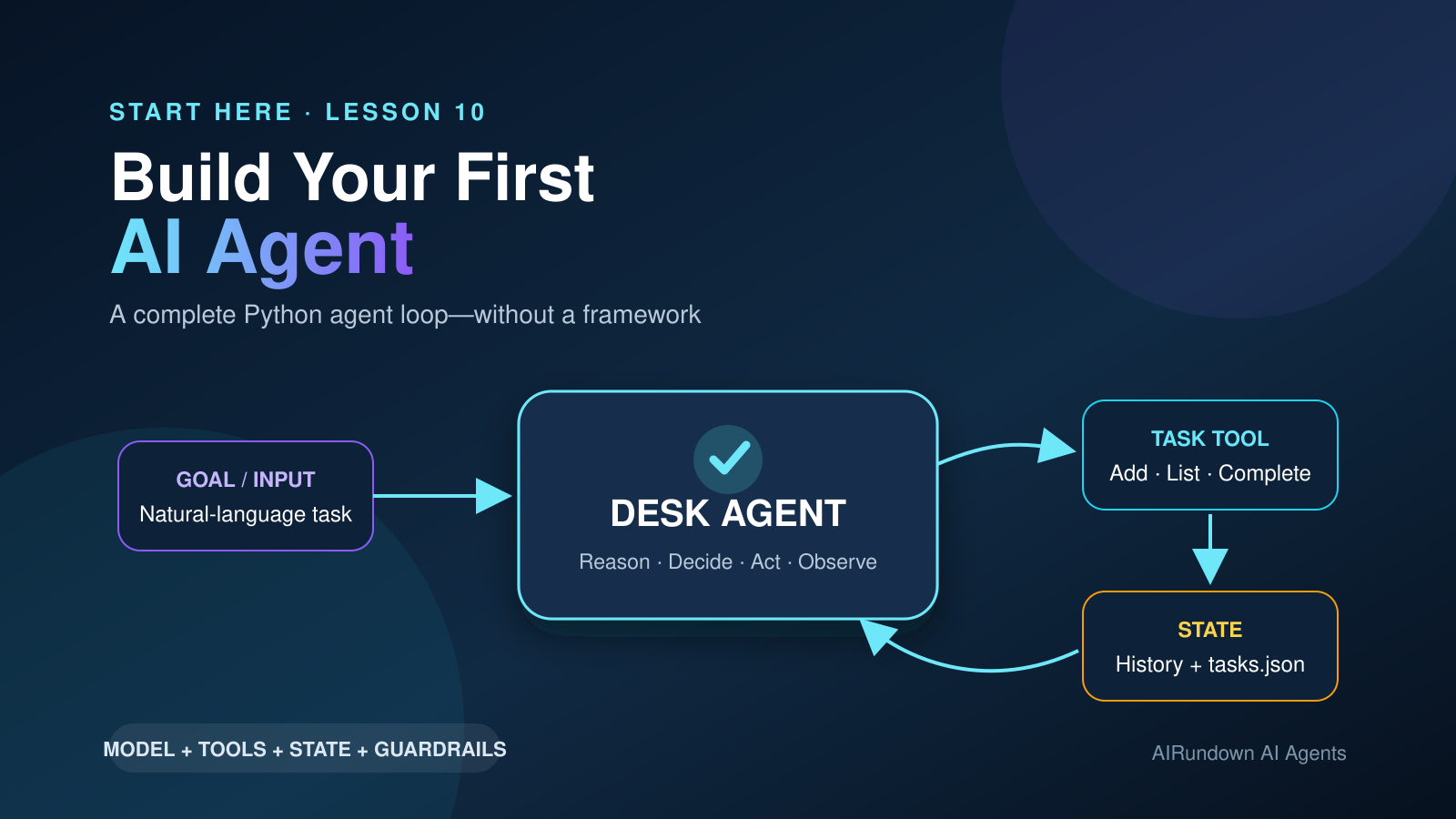
Build a genuine AI task agent in plain Python with tool calling, observations, state, guardrails, logging, error handling, and tests.
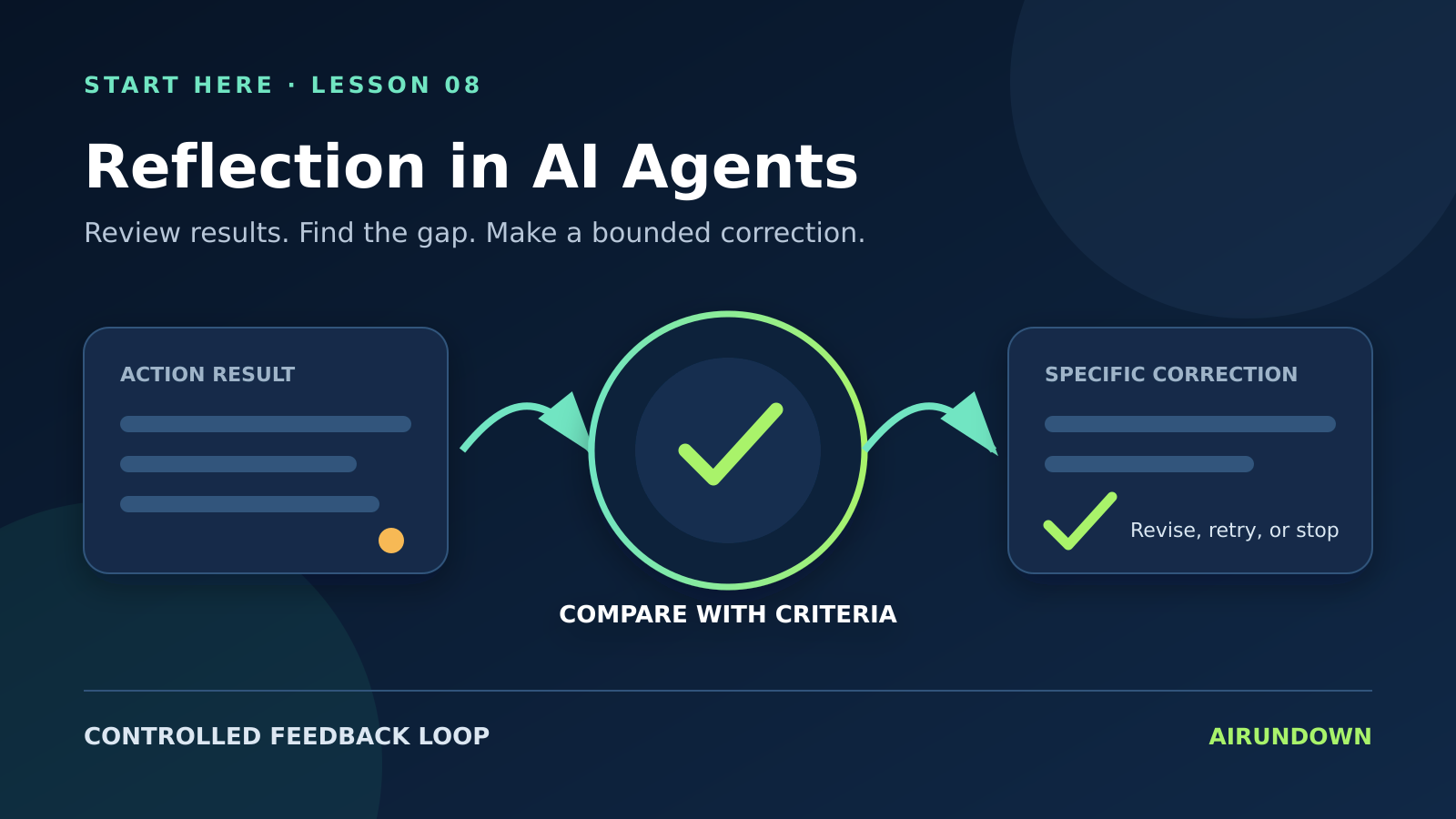
Learn how AI agents use feedback, critique, and execution review to detect mistakes, revise their approach, and improve results without endless retry loops.
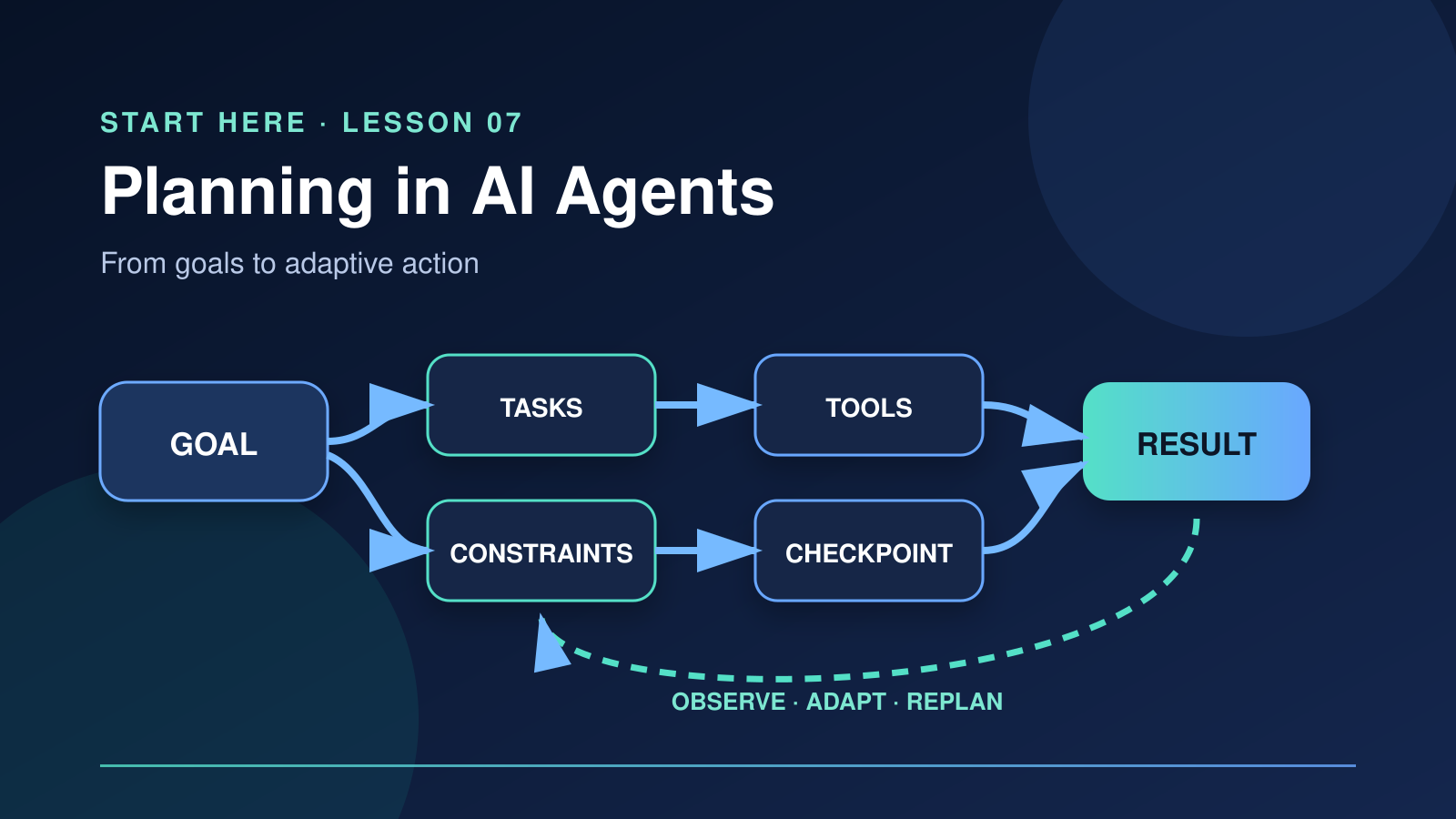
Learn how AI agents turn goals into ordered tasks, account for dependencies and constraints, use tools, track progress, and replan when reality changes.
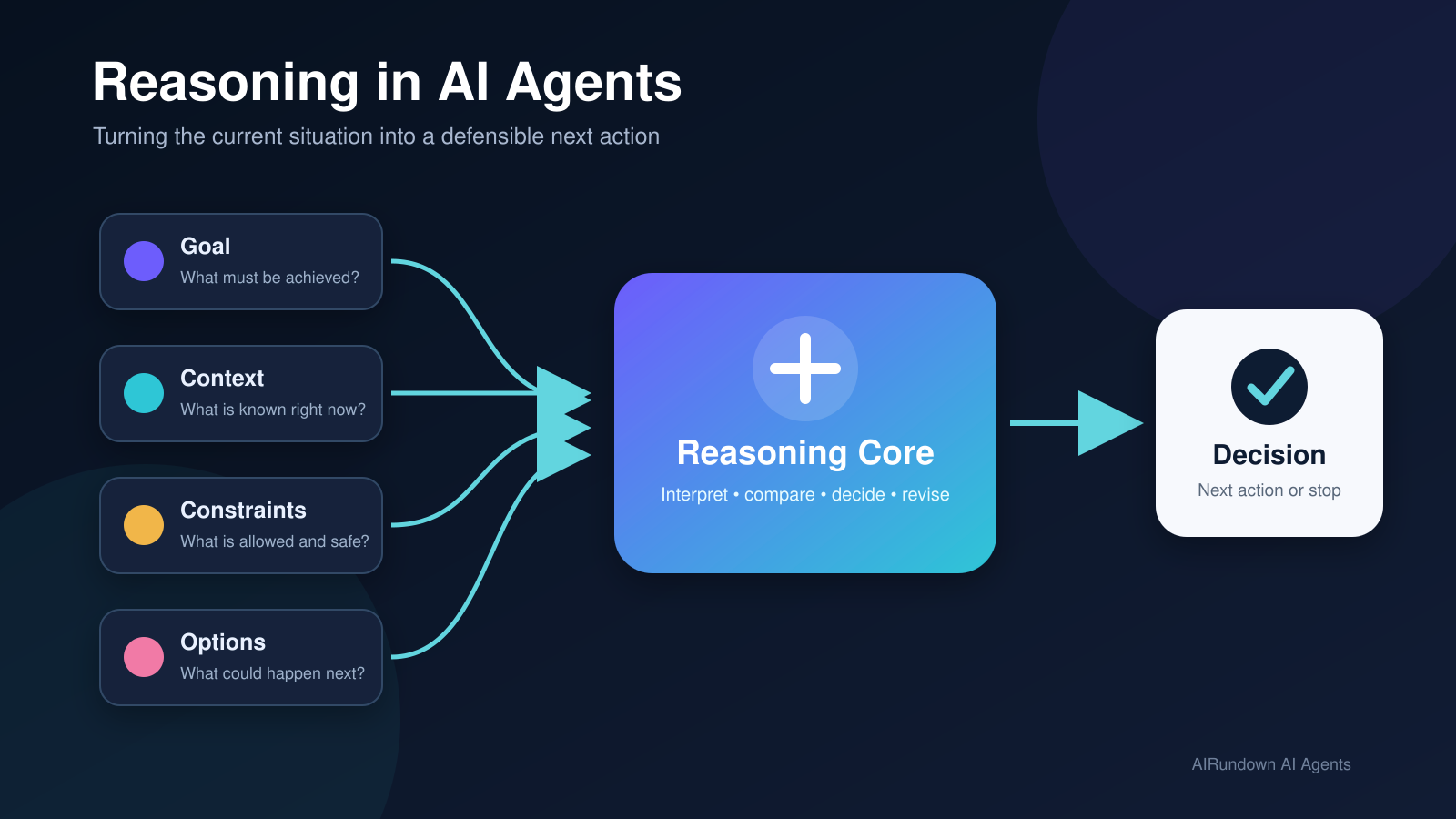
Learn how AI agents interpret goals, break down tasks, handle uncertainty, choose tools, reflect on results, and decide what to do next.
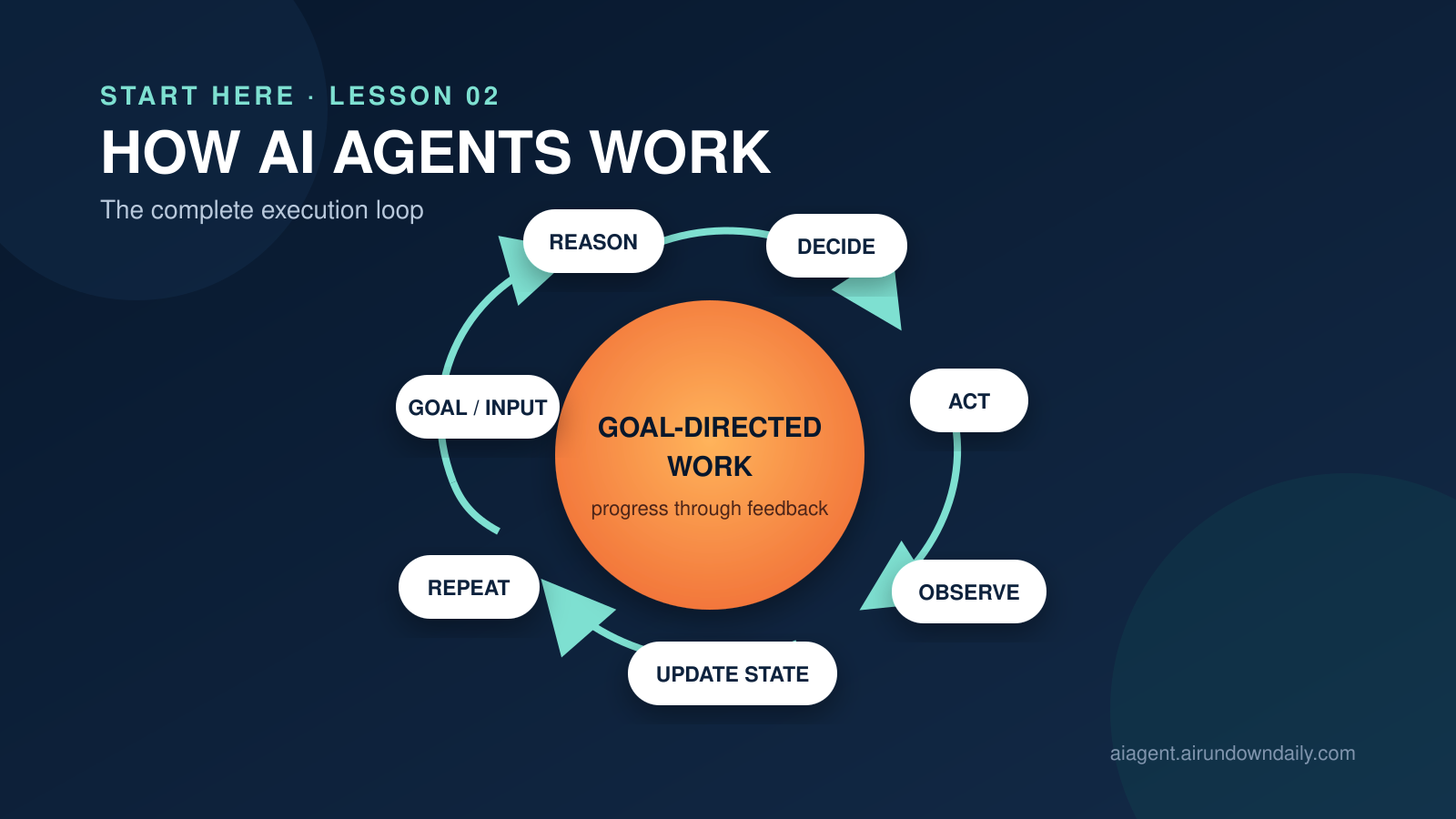
Follow the seven-stage execution loop that lets an AI agent reason, choose actions, use tools, learn from results, and keep working toward a goal.