MCP Resources Explained: Giving Agents the Right Context
Understand MCP resources, resource URIs, templates, discovery, reading, subscriptions, and safe context selection.
18 articles — updated daily
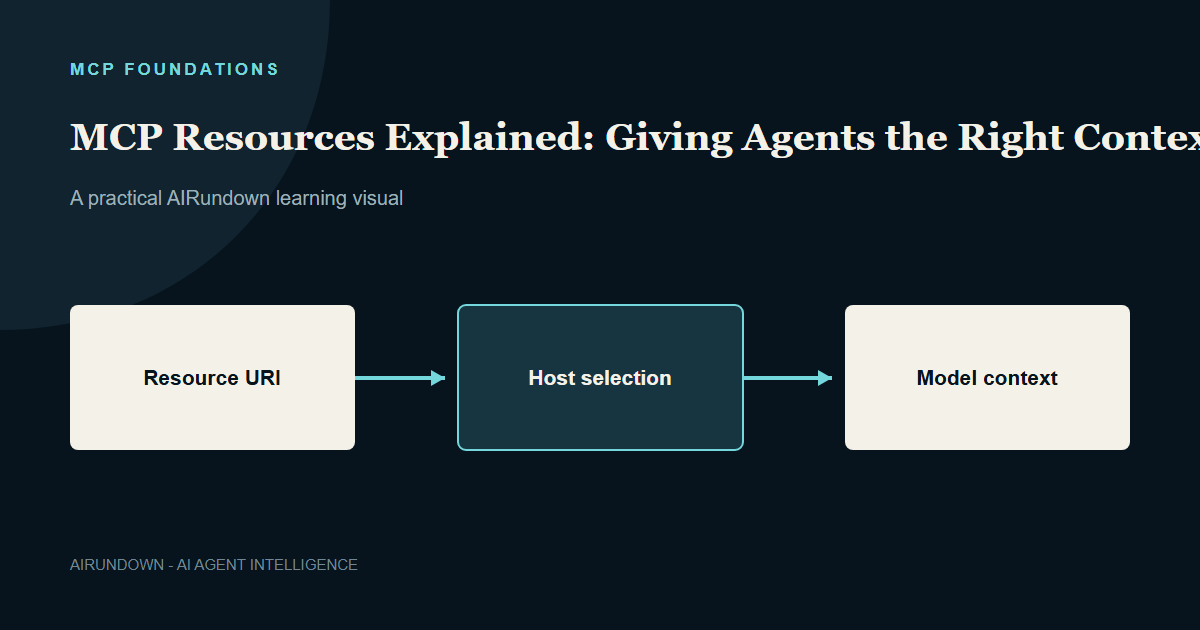
Understand MCP resources, resource URIs, templates, discovery, reading, subscriptions, and safe context selection.
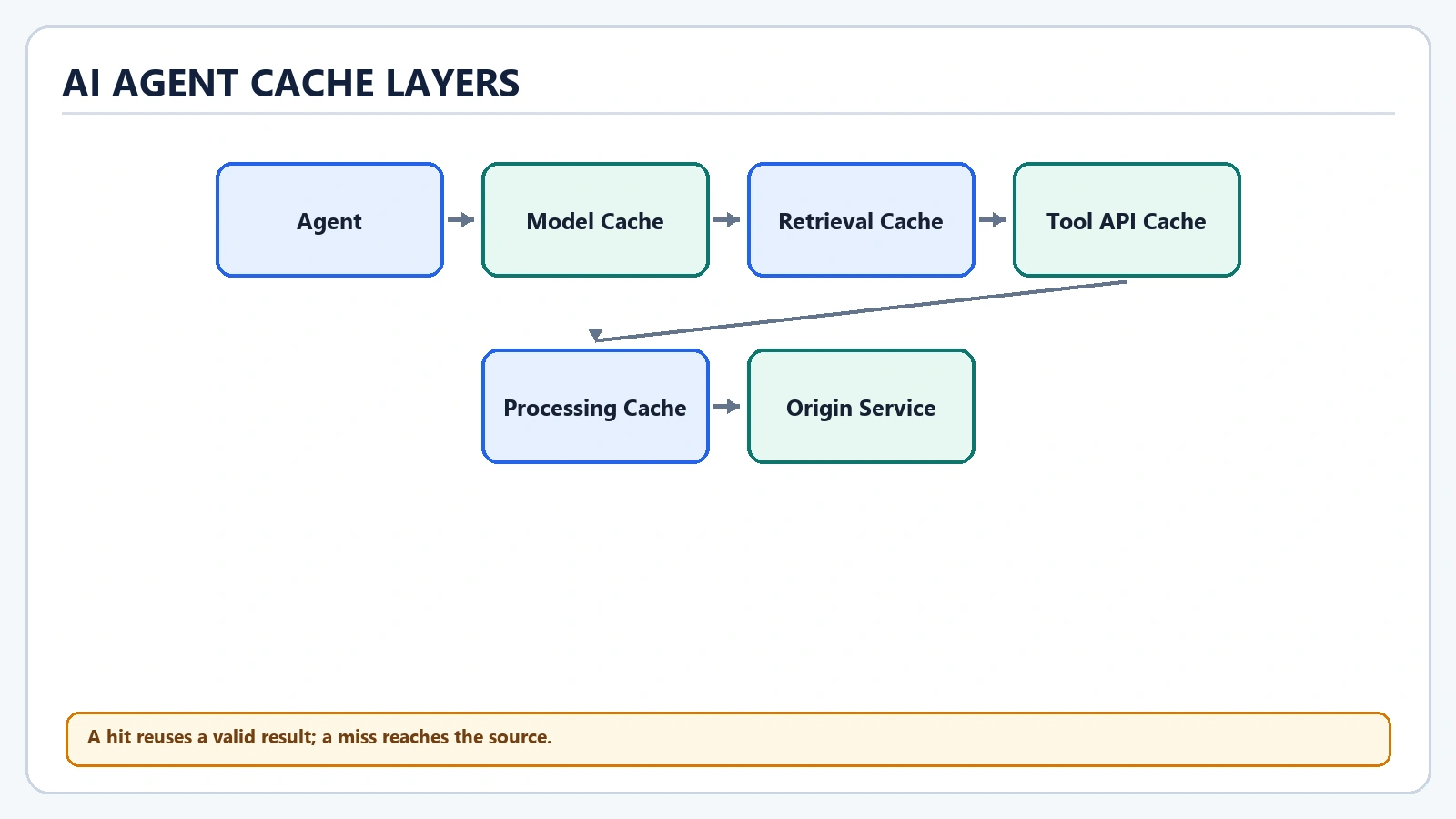
Reuse expensive results only when identity, freshness, authorization, and side-effect semantics make reuse safe.
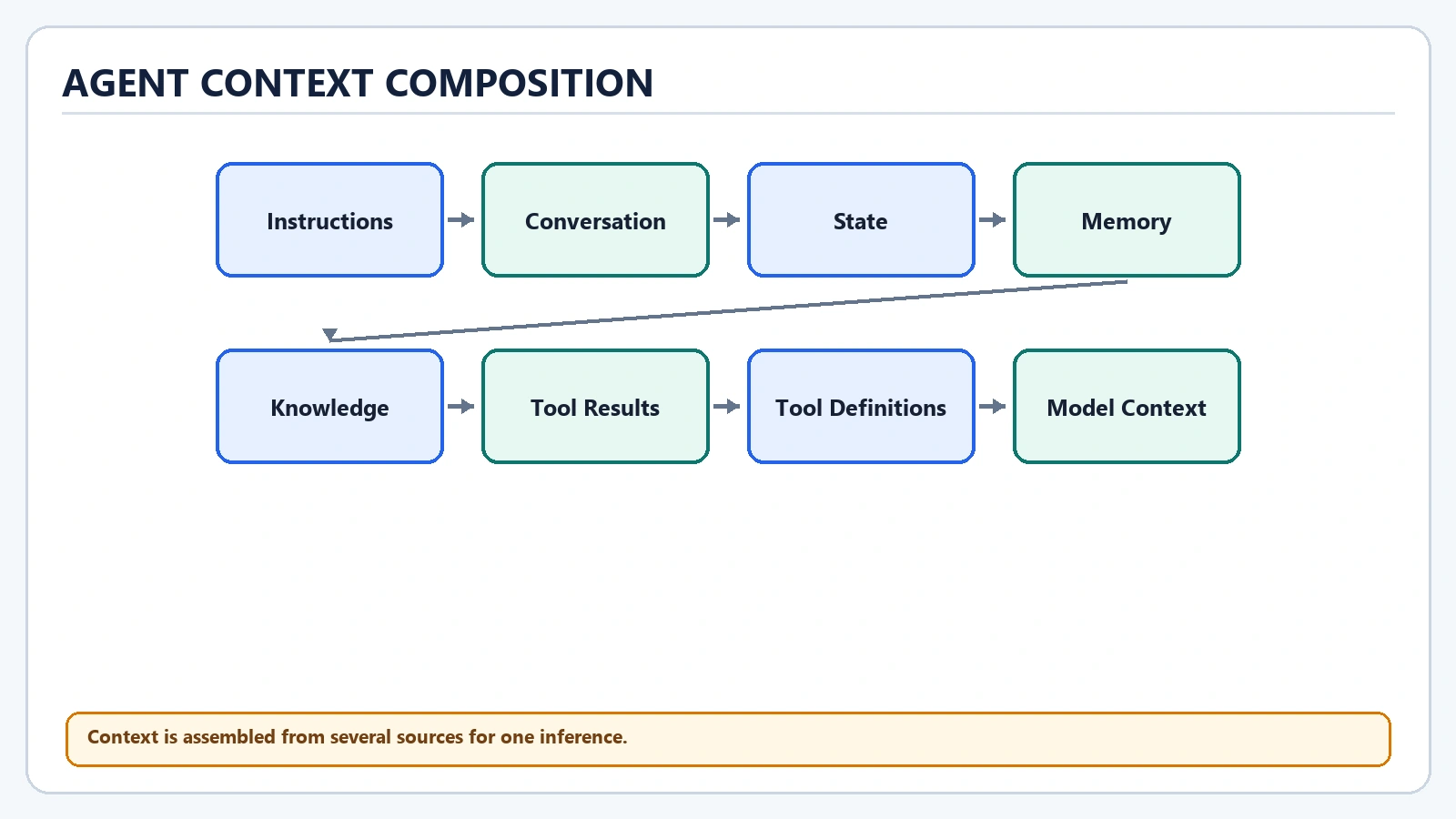
Build focused model context that preserves decision-relevant information while removing repeated and irrelevant tokens.
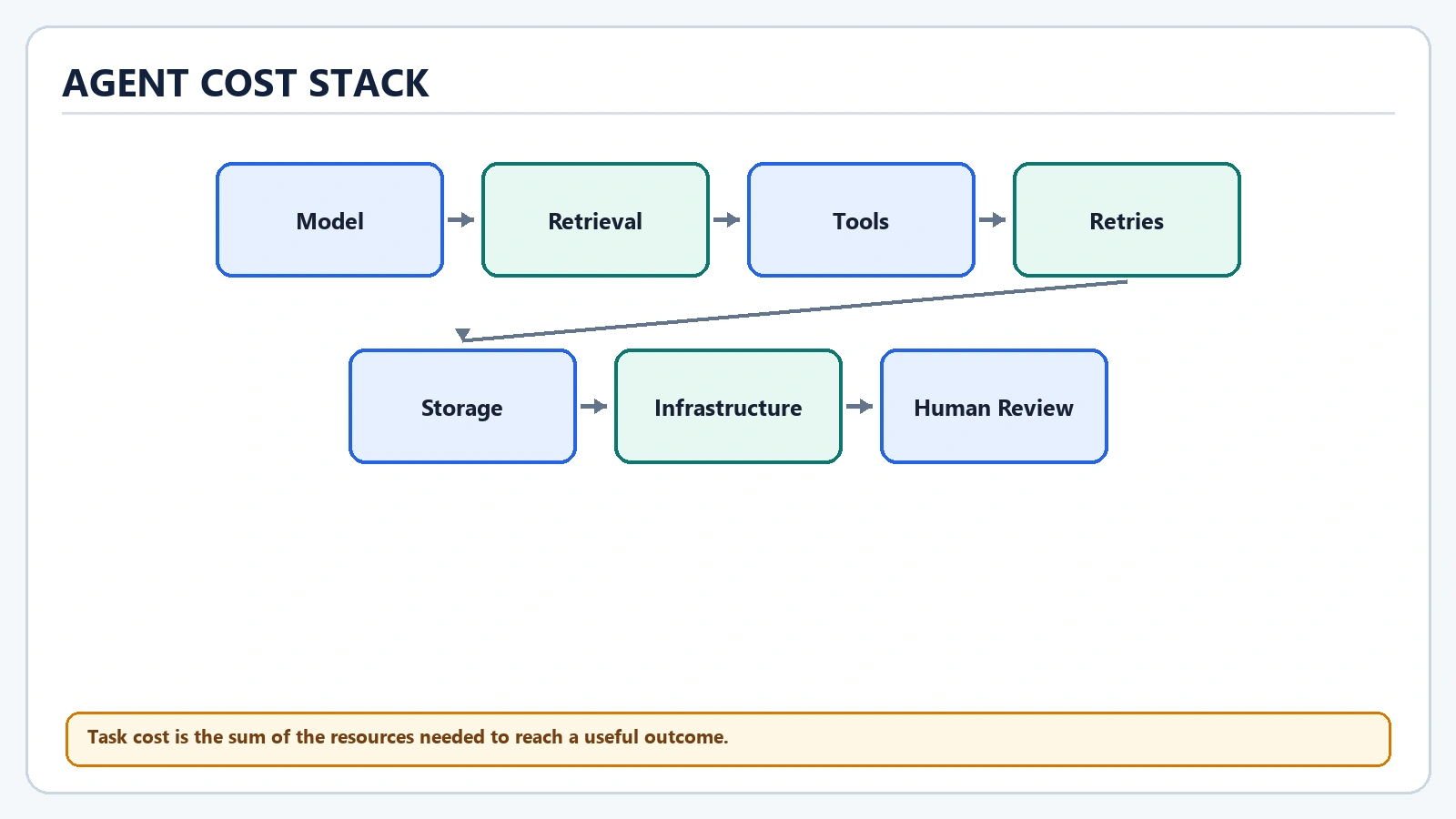
Control the cost of successful agent outcomes, not merely the price of one model call.
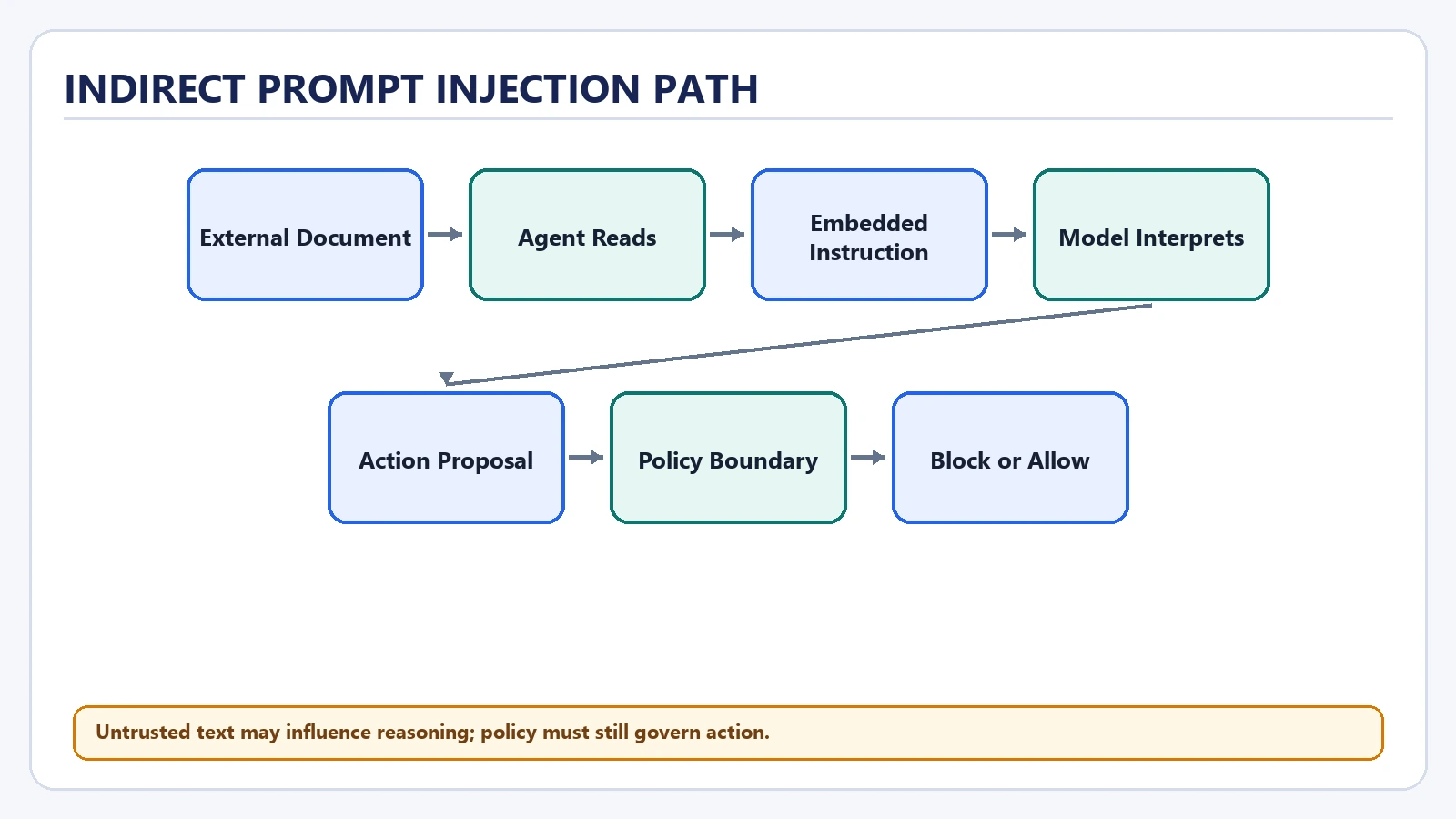
A practical, production-oriented explanation of prompt injection in tool-using agents, with examples, boundaries, trade-offs, and failure handling patterns.
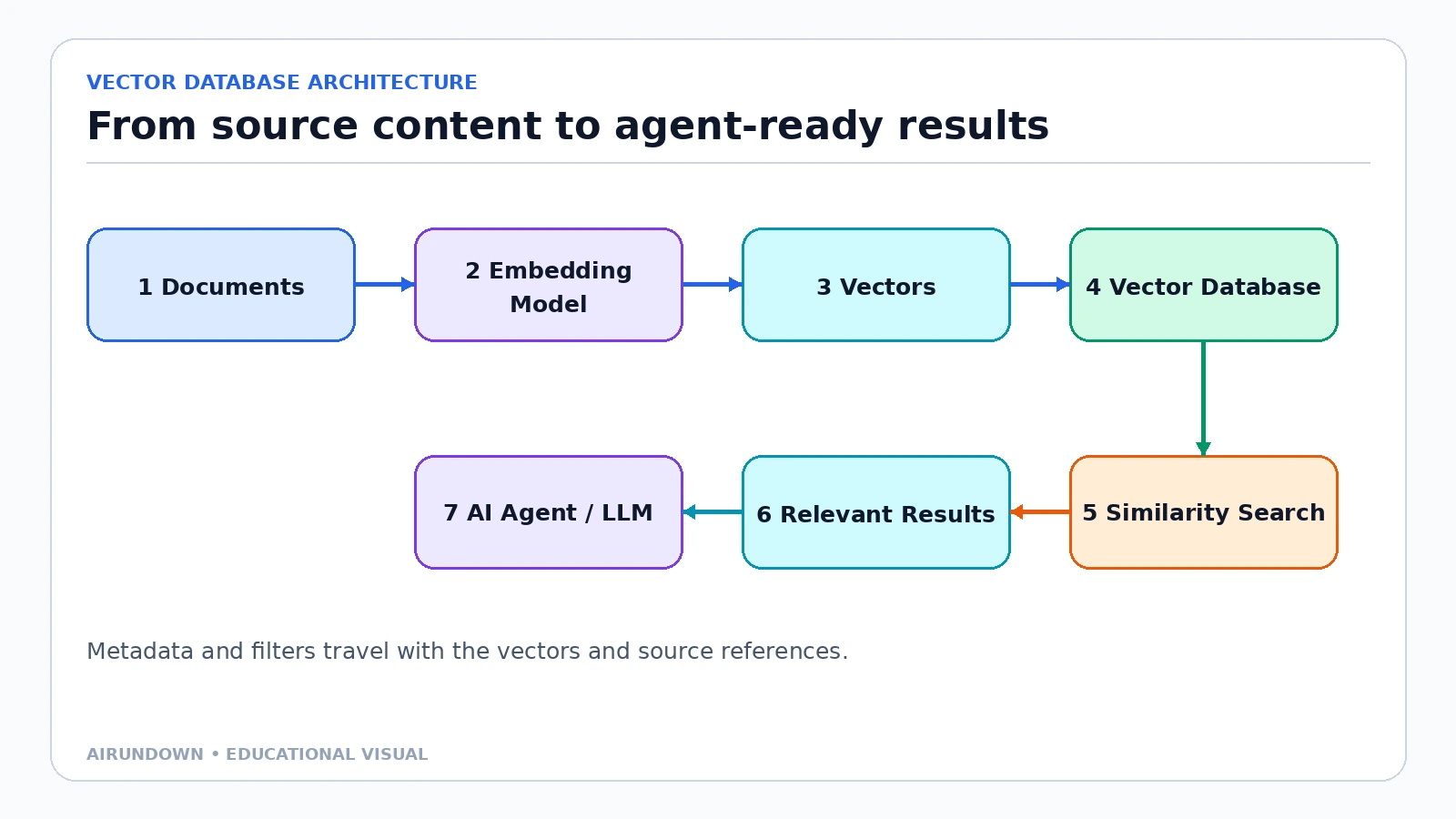
Learn how vector databases store embeddings, power semantic search, and support RAG and memory without replacing a knowledge base or relational database.
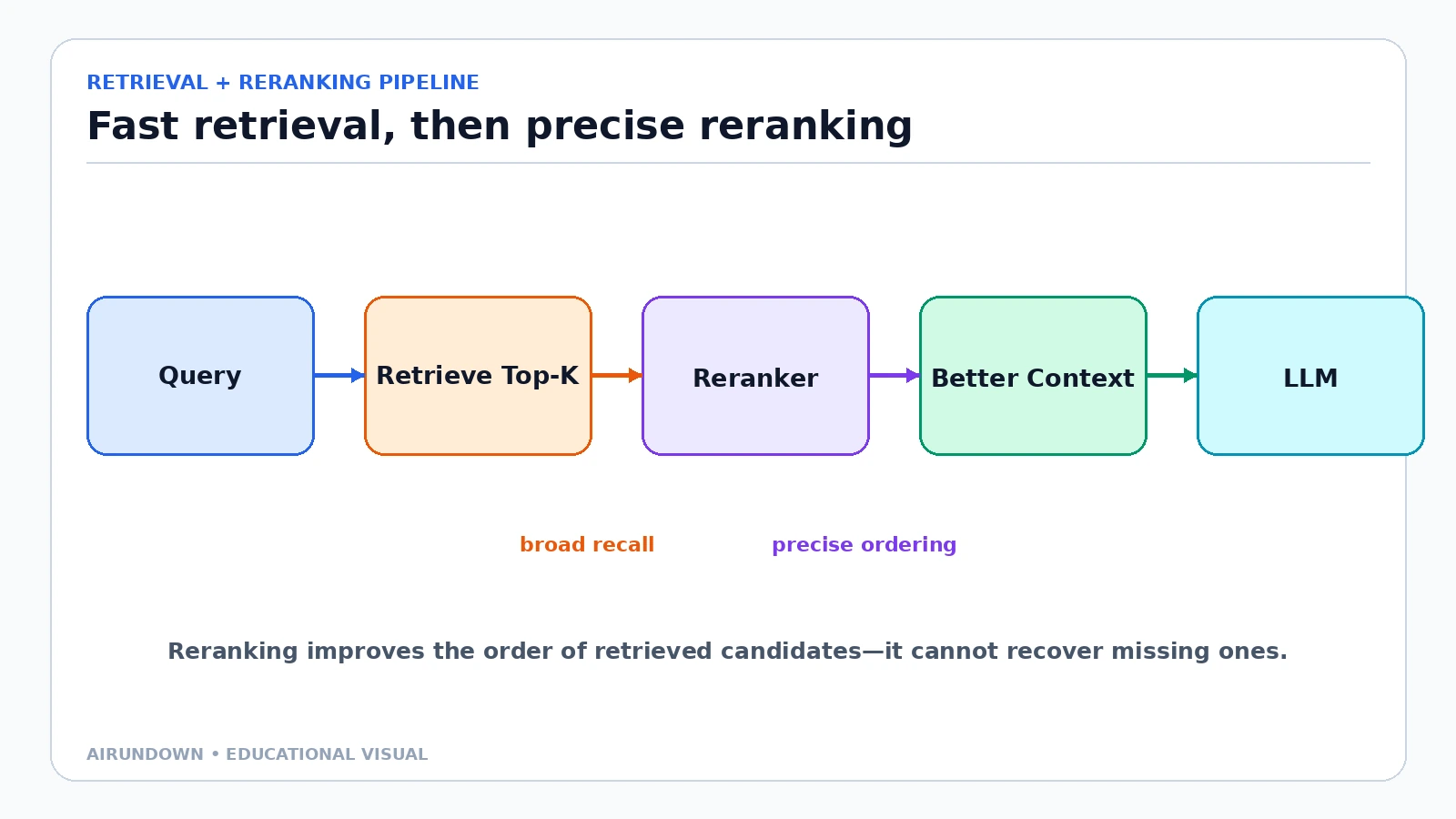
Learn why RAG pipelines rerank retrieved candidates, how cross-encoders and other methods improve ordering, and what reranking cannot fix.
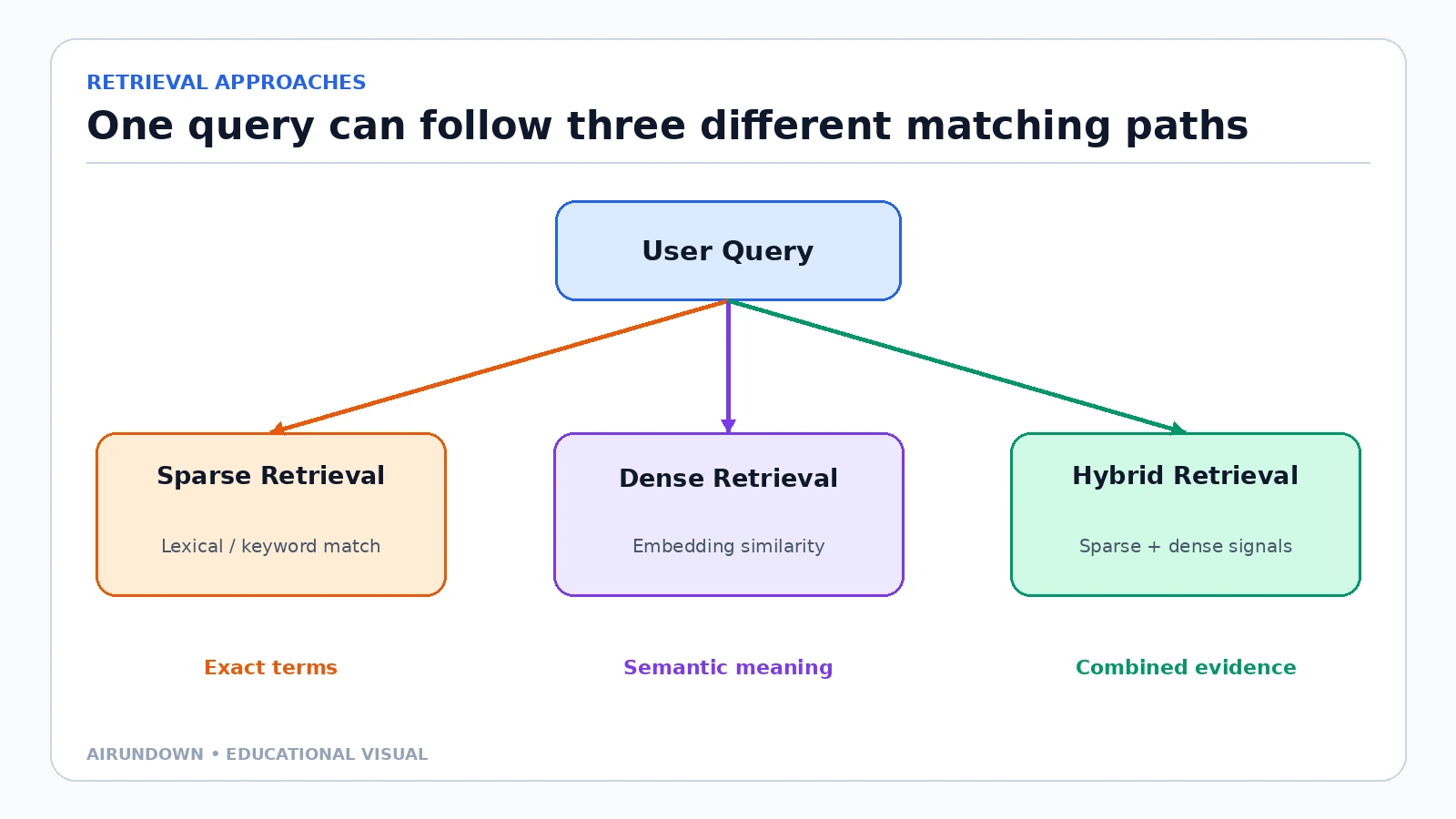
Compare sparse, dense, and hybrid retrieval by matching signal, strengths, failure modes, fusion methods, and the evidence needed to choose a RAG baseline.
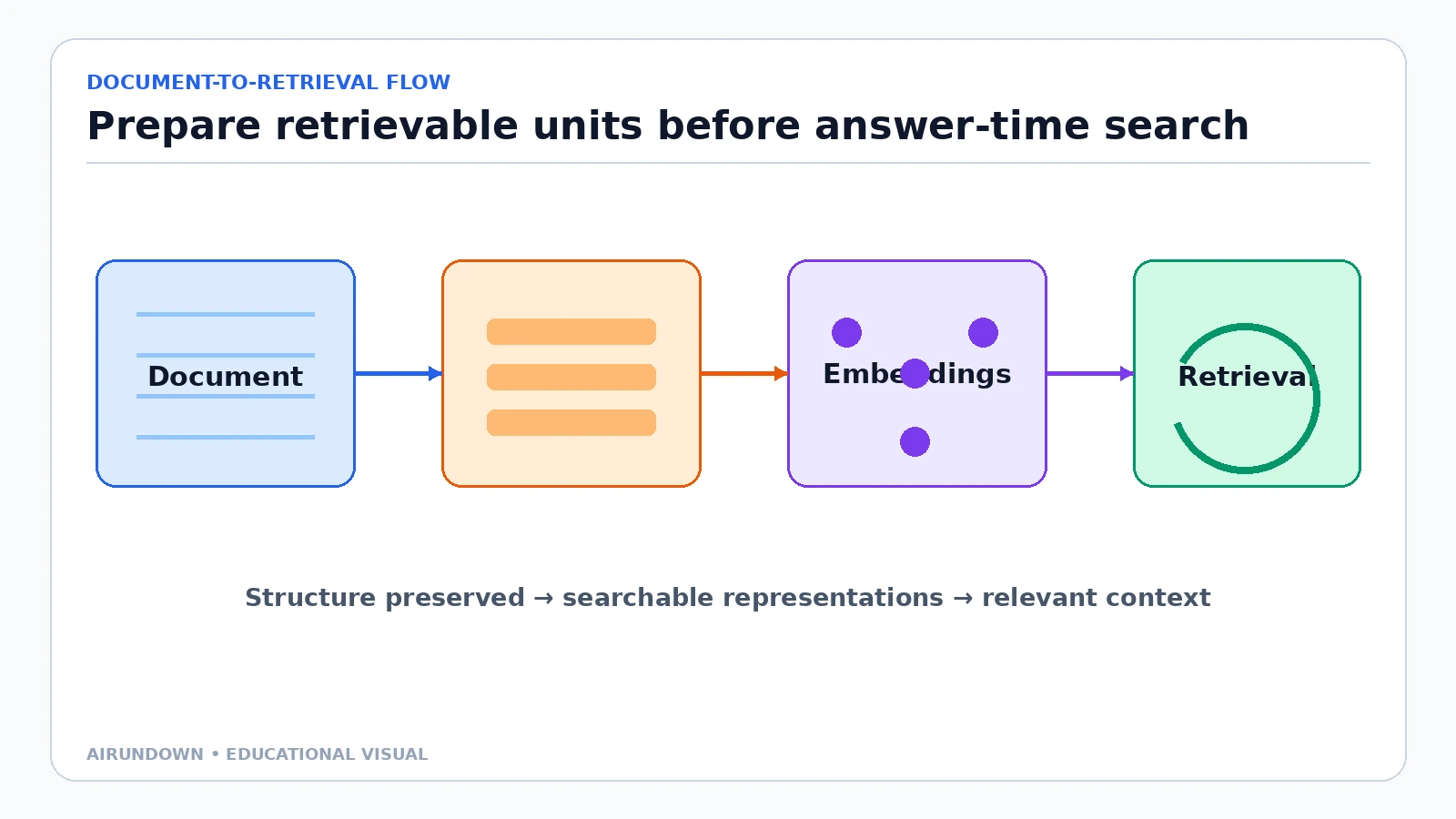
Compare fixed-size, recursive, semantic, and document-aware chunking for RAG, with practical guidance on chunk size, overlap, metadata, and evaluation.
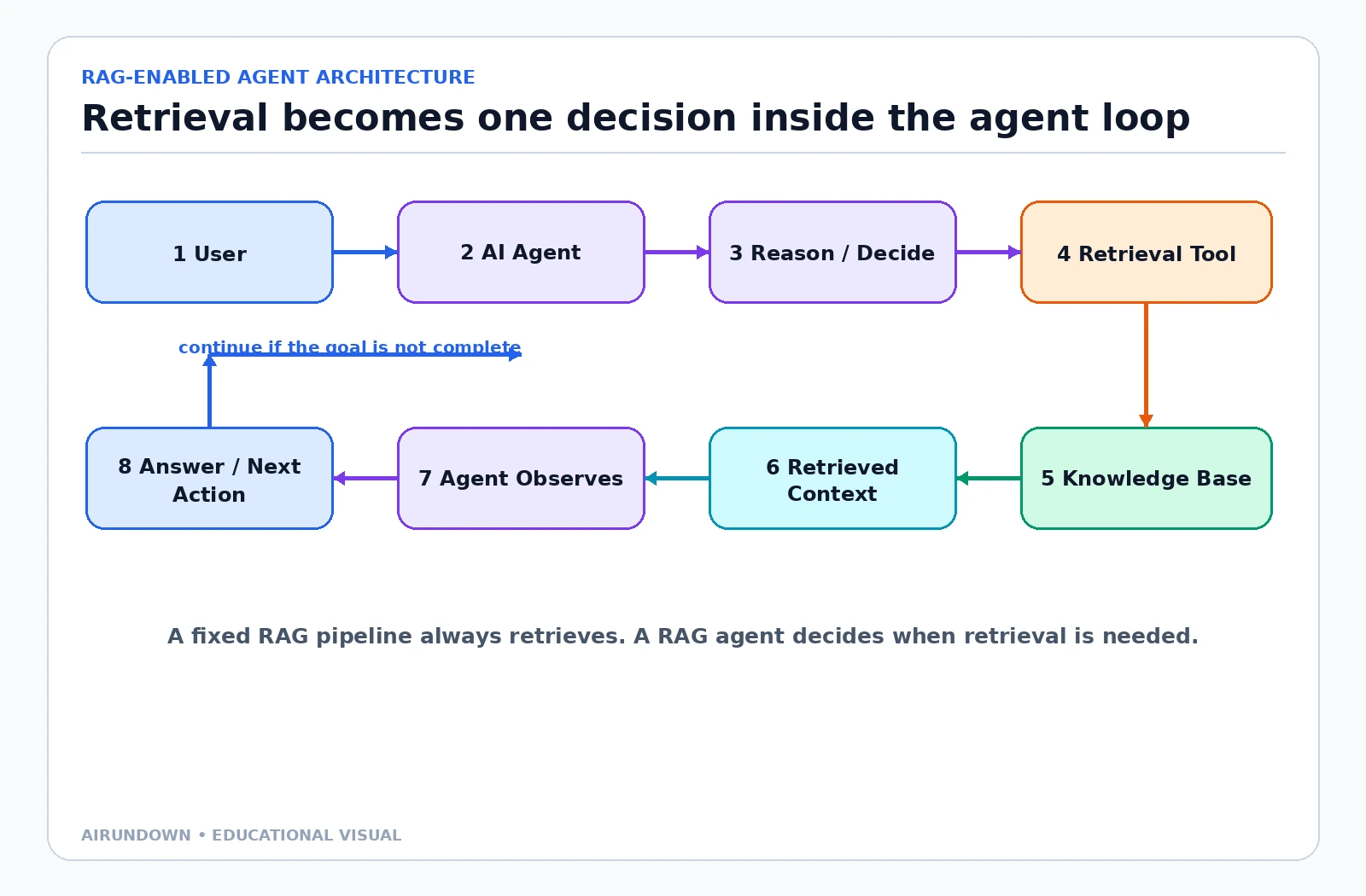
Build a framework-neutral RAG agent with a controlled retrieval tool, attributable evidence, bounded loops, citation checks, traces, and layered evaluation.
A beginner-friendly mental model of embeddings, vectors, similarity, and how AI agents use them for retrieval and memory without confusing similarity with truth.
A practical comparison of external knowledge retrieval and agent memory, including their overlap, different data lifecycles, and shared vector infrastructure.
A decision-focused comparison of RAG knowledge retrieval and AI-agent execution, including when a simple RAG pipeline is enough and when an agent is justified.
A practical introduction to retrieval-augmented generation, why external knowledge matters, and where RAG fits beside fine-tuning, memory, and AI agents.
A step-by-step guide to the complete RAG pipeline, from document chunking and indexing through retrieval, reranking, context construction, and grounded generation.
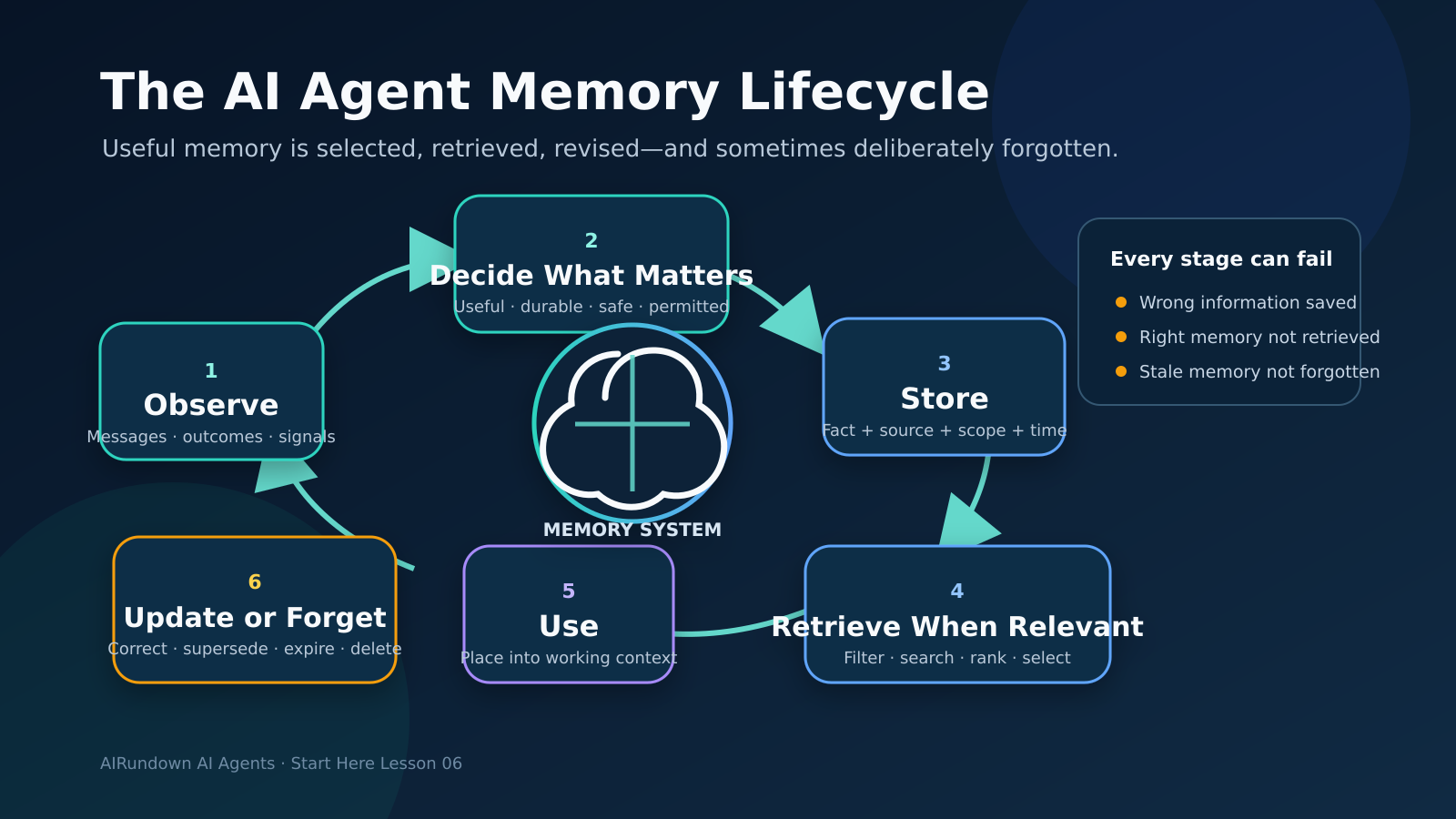
Learn how AI agent memory works, from context windows and working memory to persistent stores, retrieval, updating, forgetting, and memory quality.
Fine-tuning, prompt engineering, and RAG each solve a different failure mode, and picking the wrong one is an expensive way to paper over a problem you never diagnosed. OpenAI's May 2026 wind-down of its self-serve fine-tuning platform, now down to a single model, and Anthropic's decision never to ship a public fine-tuning API both signal a market retreat from an over-used technique. The bigger signal: most 'let's fine-tune it' requests turn out to be knowledge gaps or instruction gaps in disguise, fixable with retrieval or a better prompt at a fraction of the cost. For PMs, the takeaway is a triage habit: diagnose whether you're facing stale facts, inconsistent format, or a genuinely novel reasoning task before you authorize a training run.
Continual learning is the AI research goal of models that keep absorbing new knowledge after deployment without forgetting old skills — but no production LLM actually does this today. Frontier models like Claude Opus 4.8 and GPT-5.5 ship with fixed knowledge cutoffs and stay frozen until the next full retrain, months later; what looks like "learning" in products is really context windows, retrieval (RAG), and memory features re-injecting facts, not weight updates. The gap between the research narrative and shipped reality is widening as vendors add memory features that feel like learning but aren't. For PMs, this matters because any roadmap that assumes the model will organically get smarter about your users is building on a substitute, not the real thing.