Model Routing for AI Agents
Choose models by task requirements, policy, quality, latency, and cost instead of sending every step to one default.
17 articles — updated daily
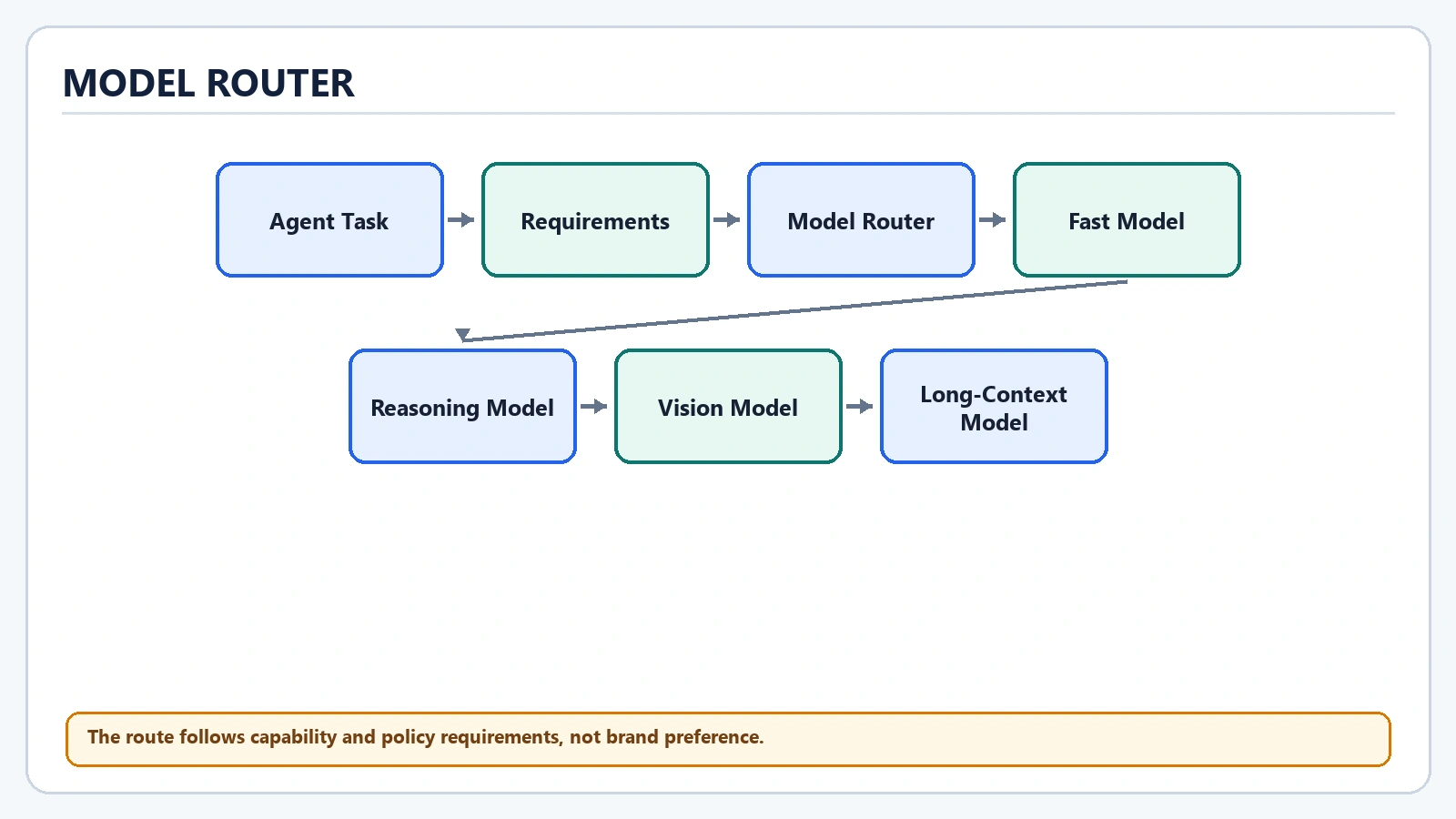
Choose models by task requirements, policy, quality, latency, and cost instead of sending every step to one default.
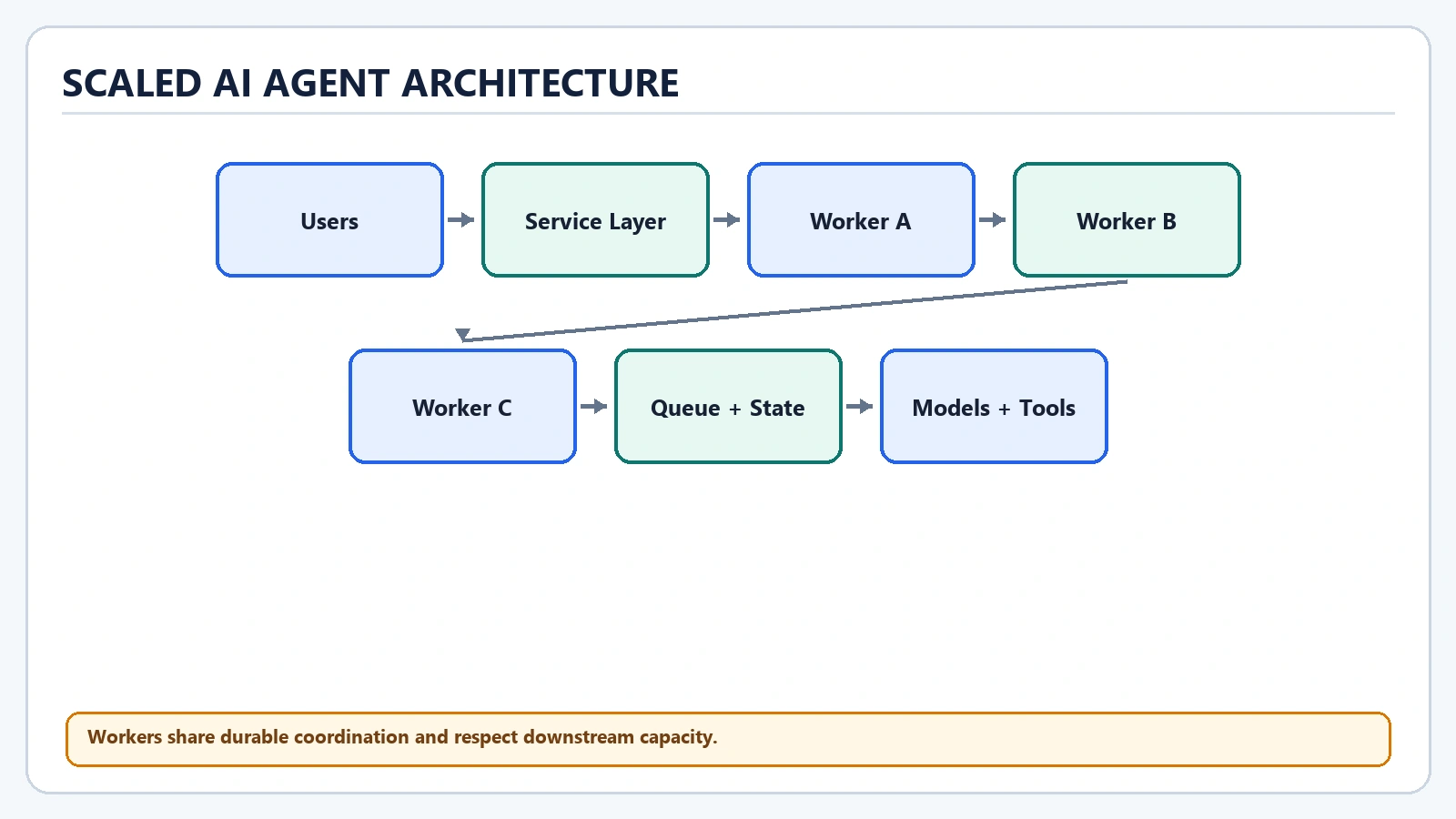
Grow workload capacity safely by separating stateless runtimes from durable tasks and protecting constrained dependencies.
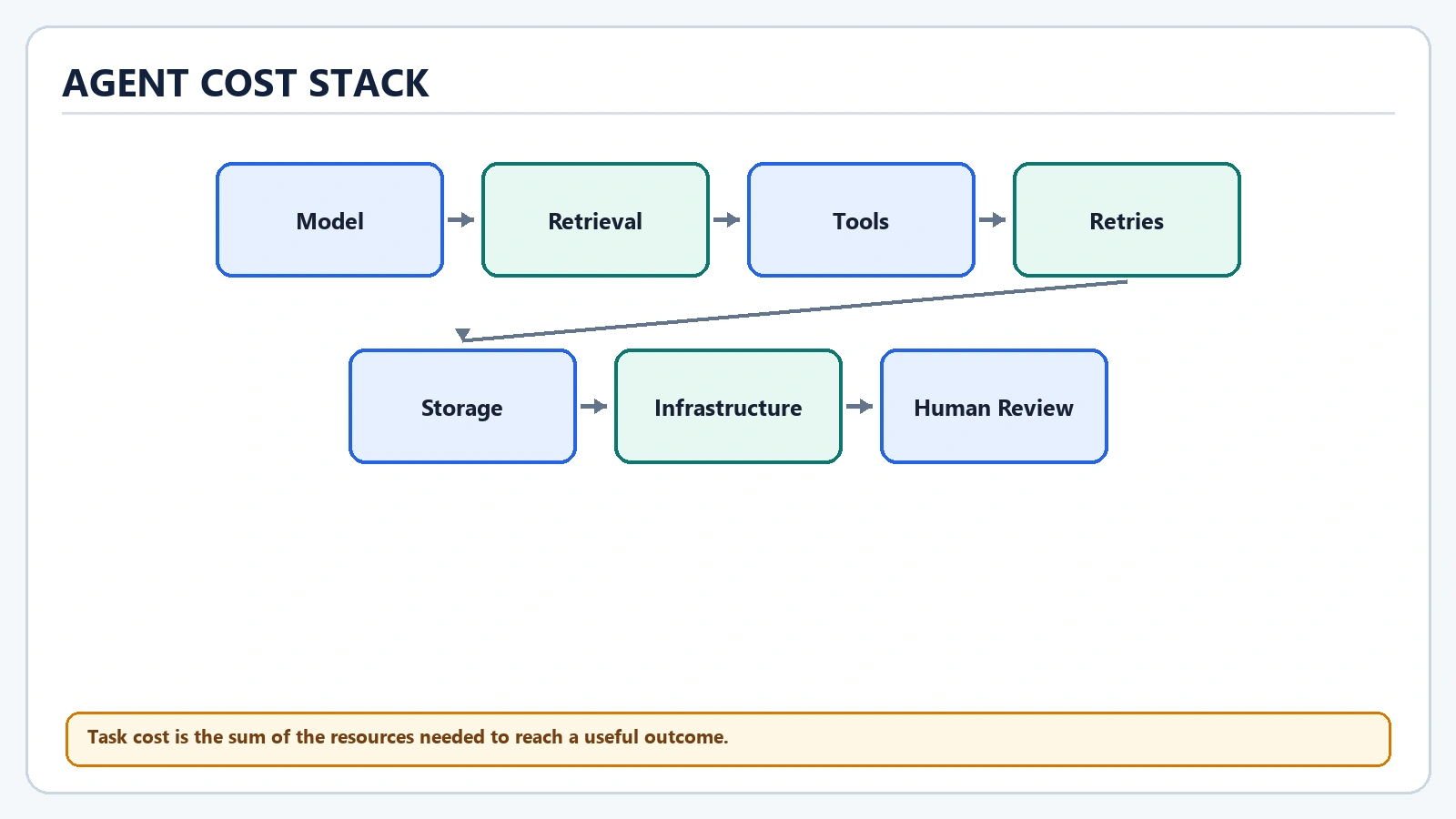
Control the cost of successful agent outcomes, not merely the price of one model call.
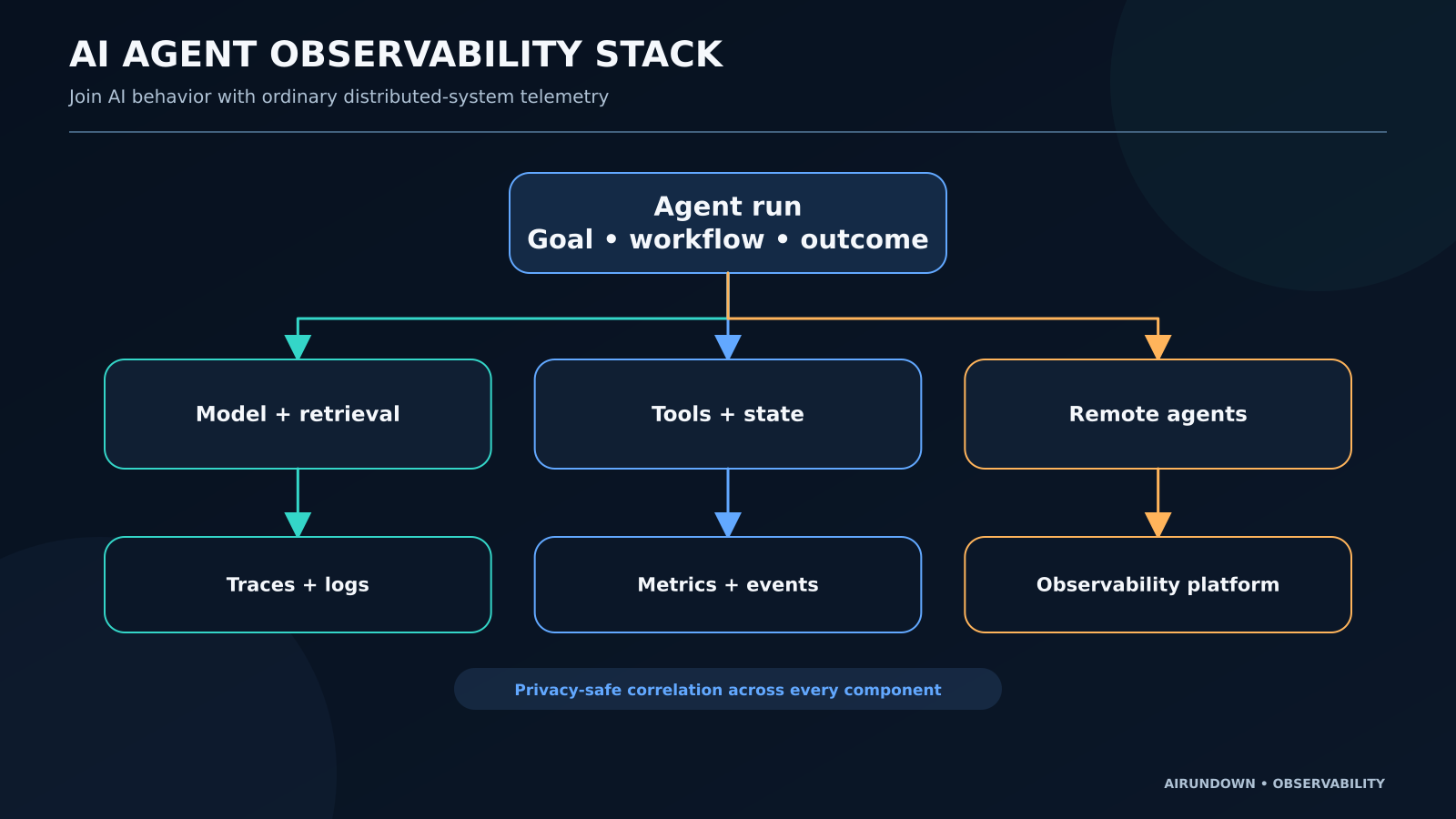
A production observability model for agent, model, retrieval, tool, sub-agent, and infrastructure signals—with privacy and redaction controls.
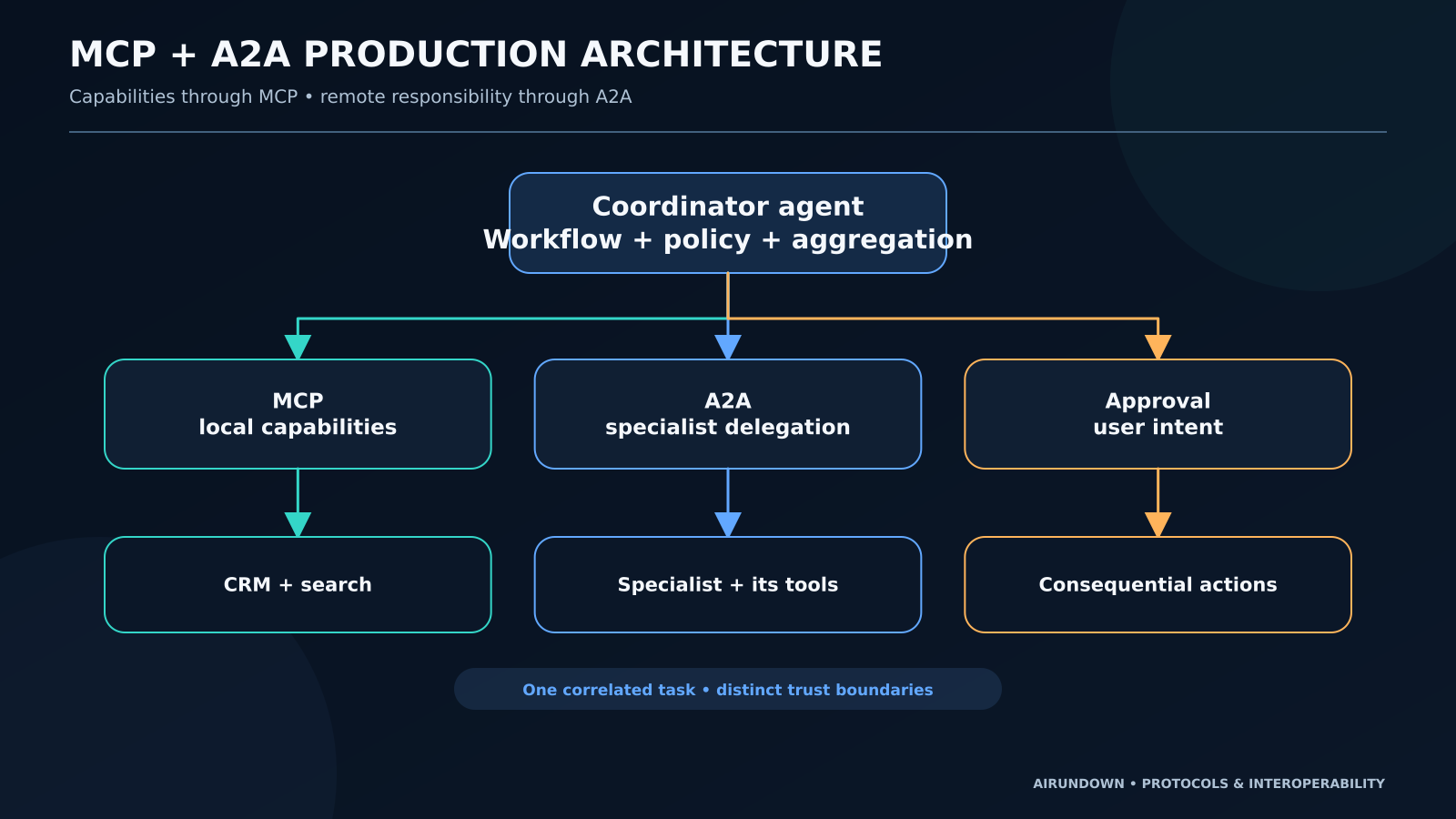
A production architecture for combining MCP capability access with A2A specialist delegation while preserving policy, identity, tracing, and failure boundaries.
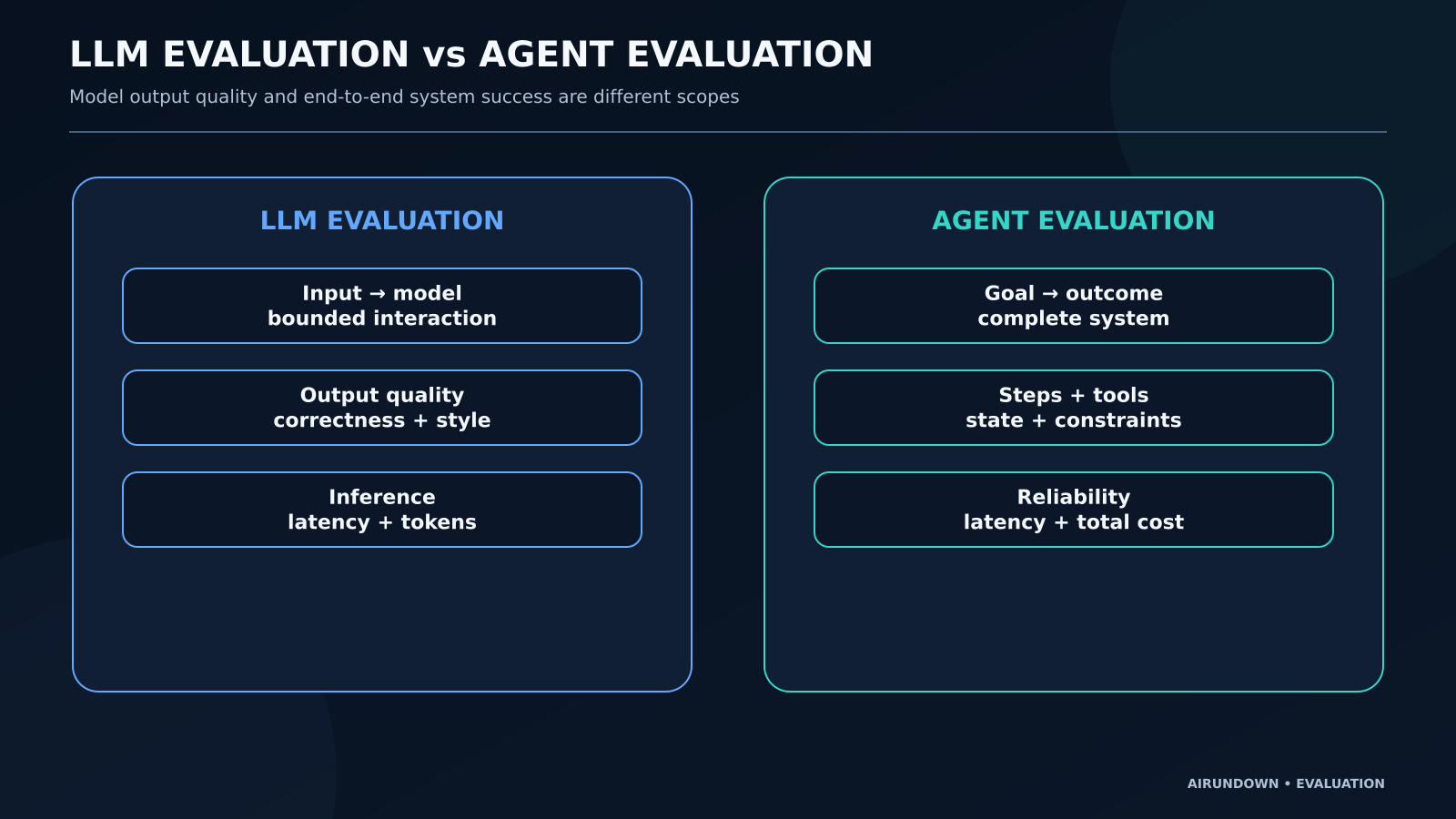
LLM evaluation scores model outputs; agent evaluation measures the whole goal-directed system, including tools, state, constraints, reliability, latency, and cost.
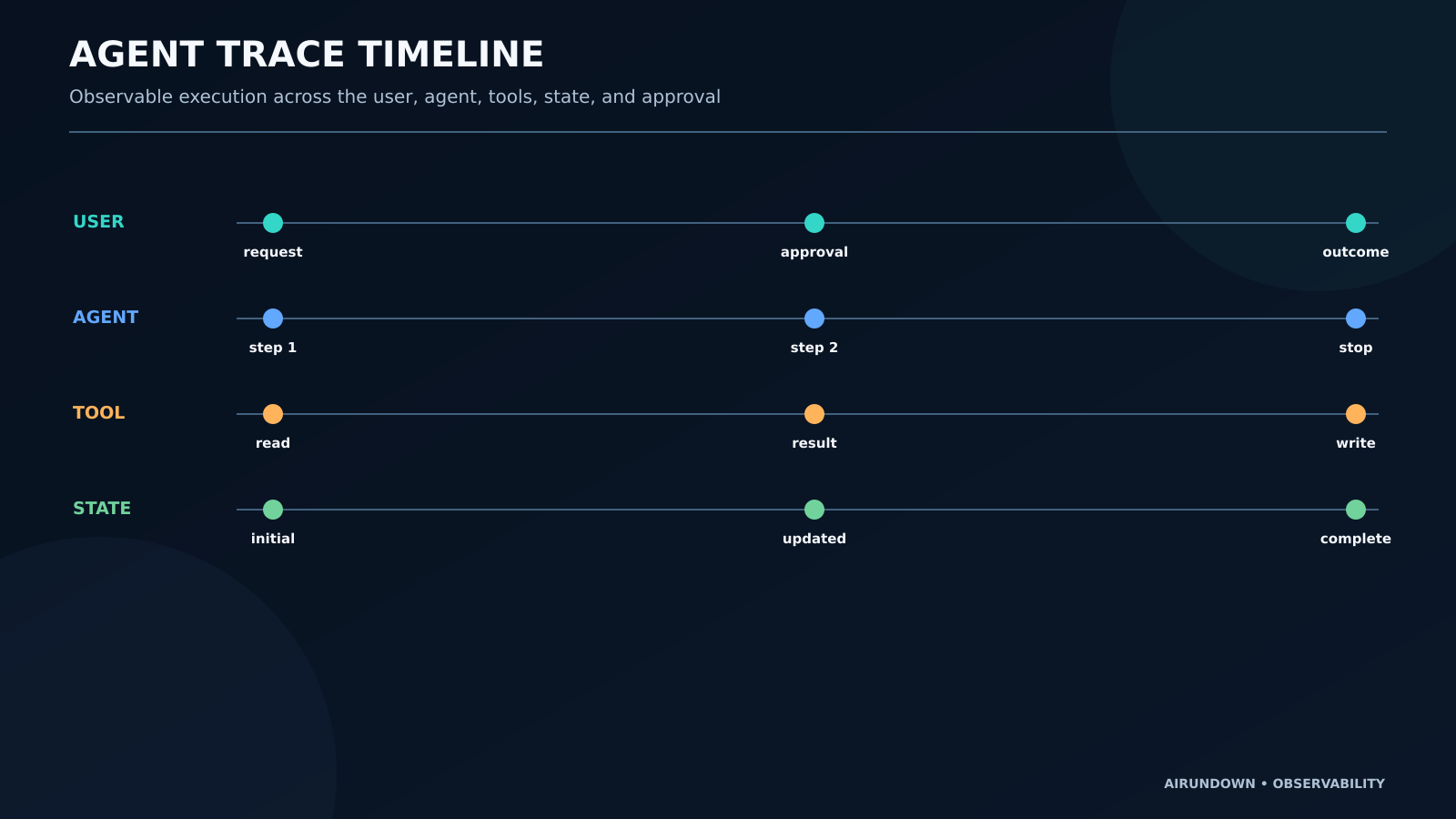
Learn how traces and trajectories represent observable agent execution without requiring storage or exposure of private chain-of-thought.
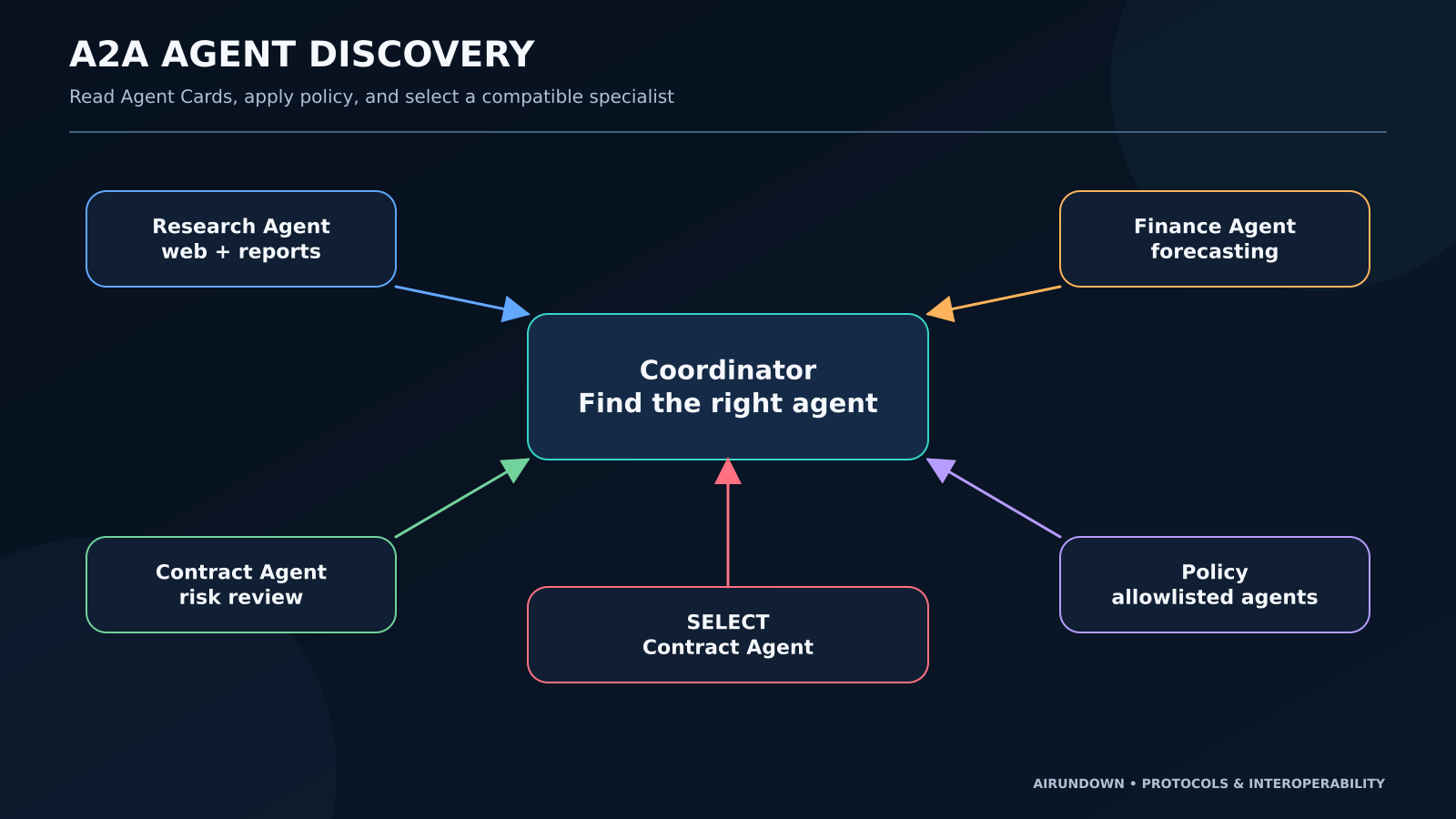
Learn how A2A clients discover remote agents, read Agent Cards, match skills and interfaces, evaluate suitability, and begin an interaction.
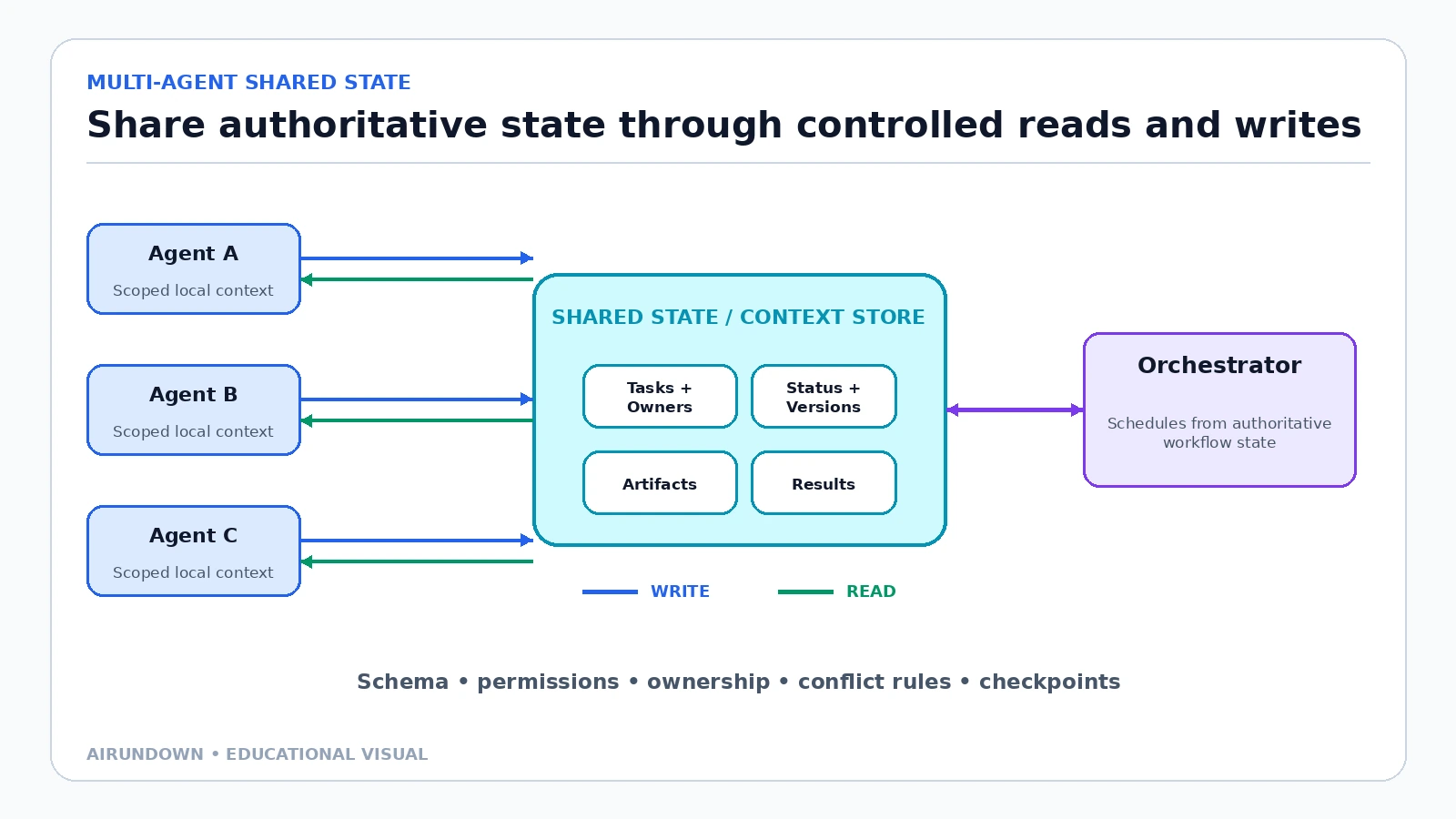
Learn how multi-agent systems separate local context from shared workflow state, exchange artifacts, synchronize updates, persist checkpoints, and avoid state conflicts.
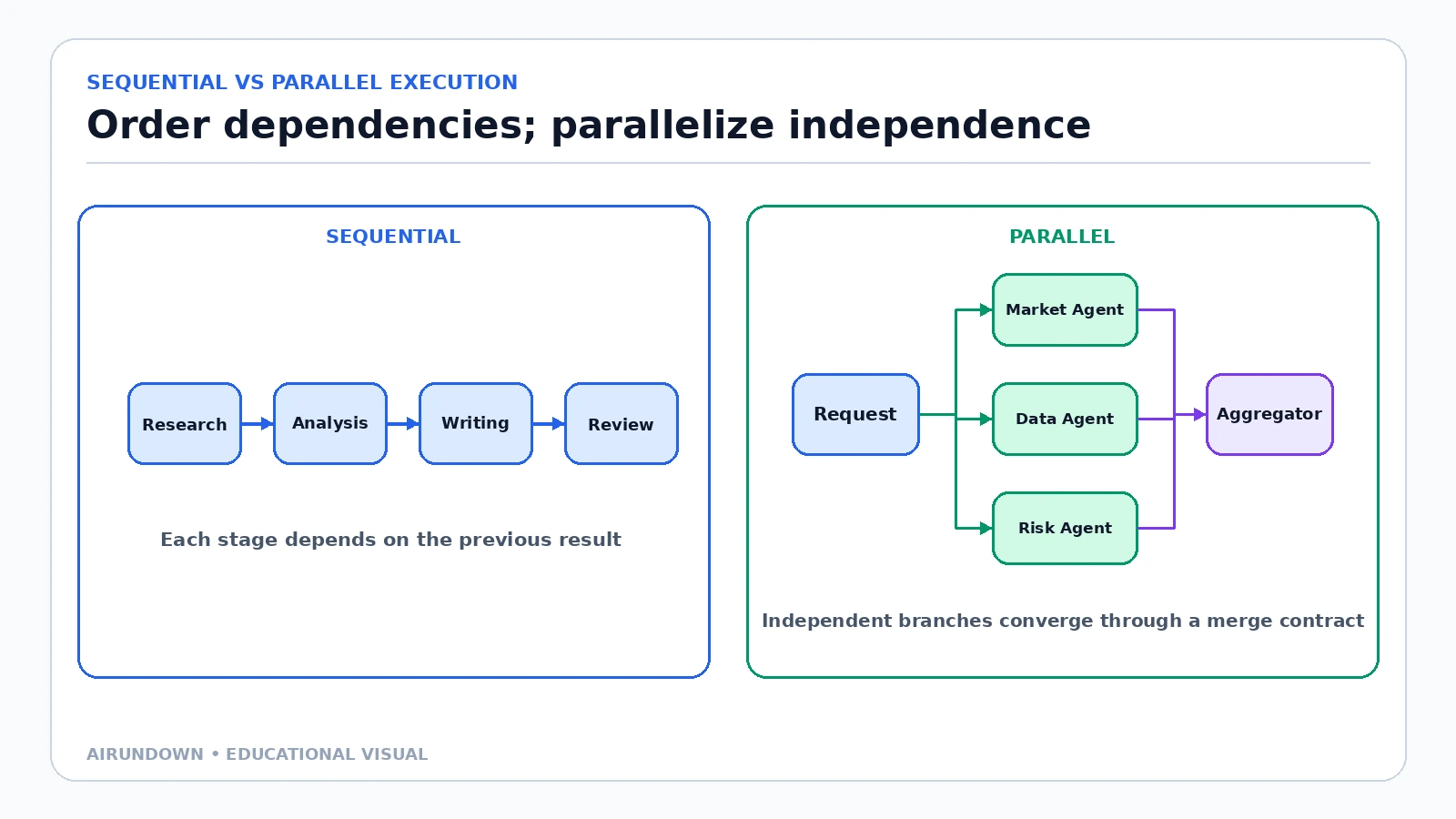
Compare sequential, parallel, and hybrid agent execution by dependencies, latency, cost, state transfer, synchronization, aggregation, and failure handling.
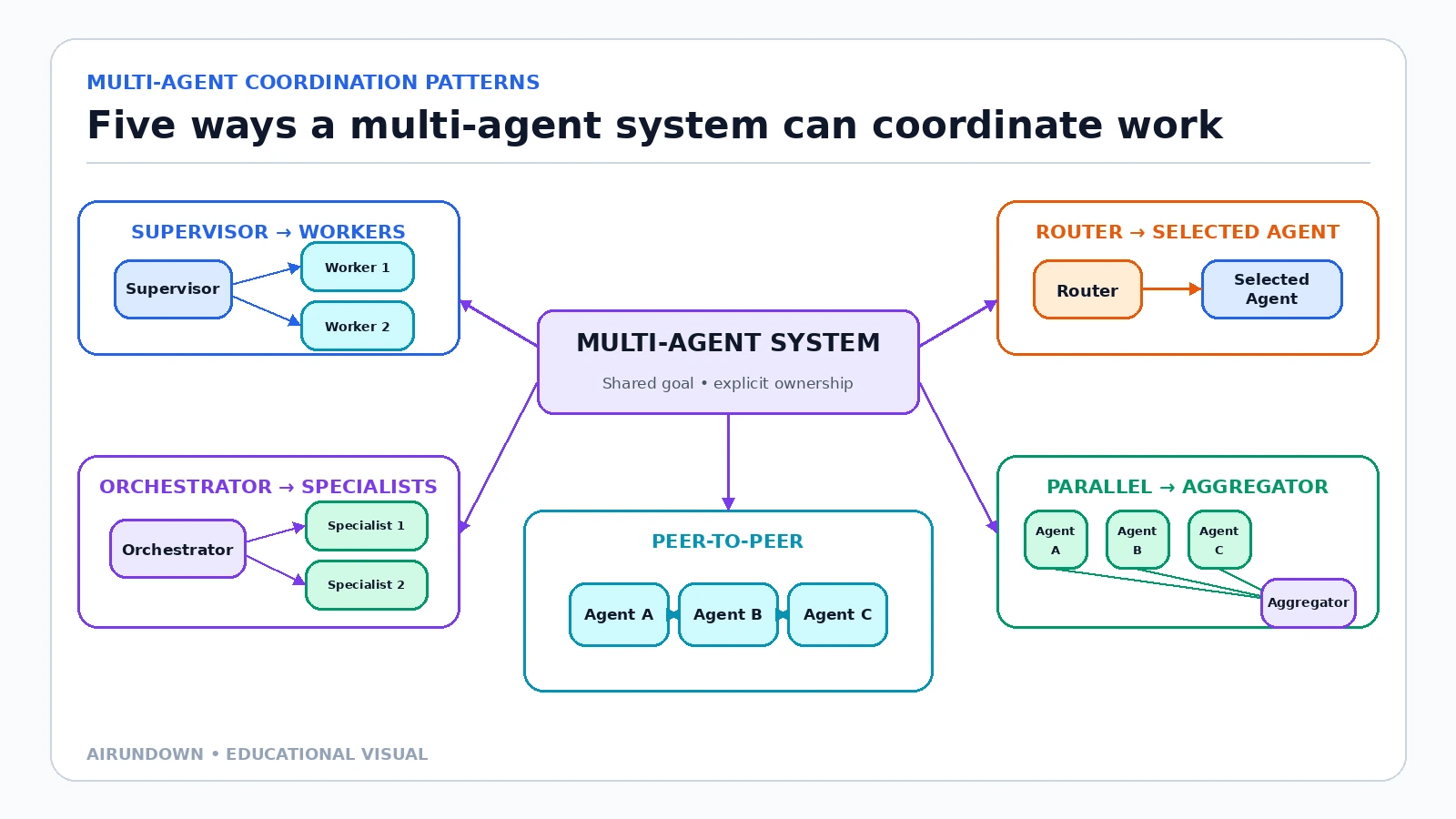
Learn seven practical multi-agent coordination patterns and how they manage roles, ownership, state, handoffs, aggregation, conflicts, and stopping.
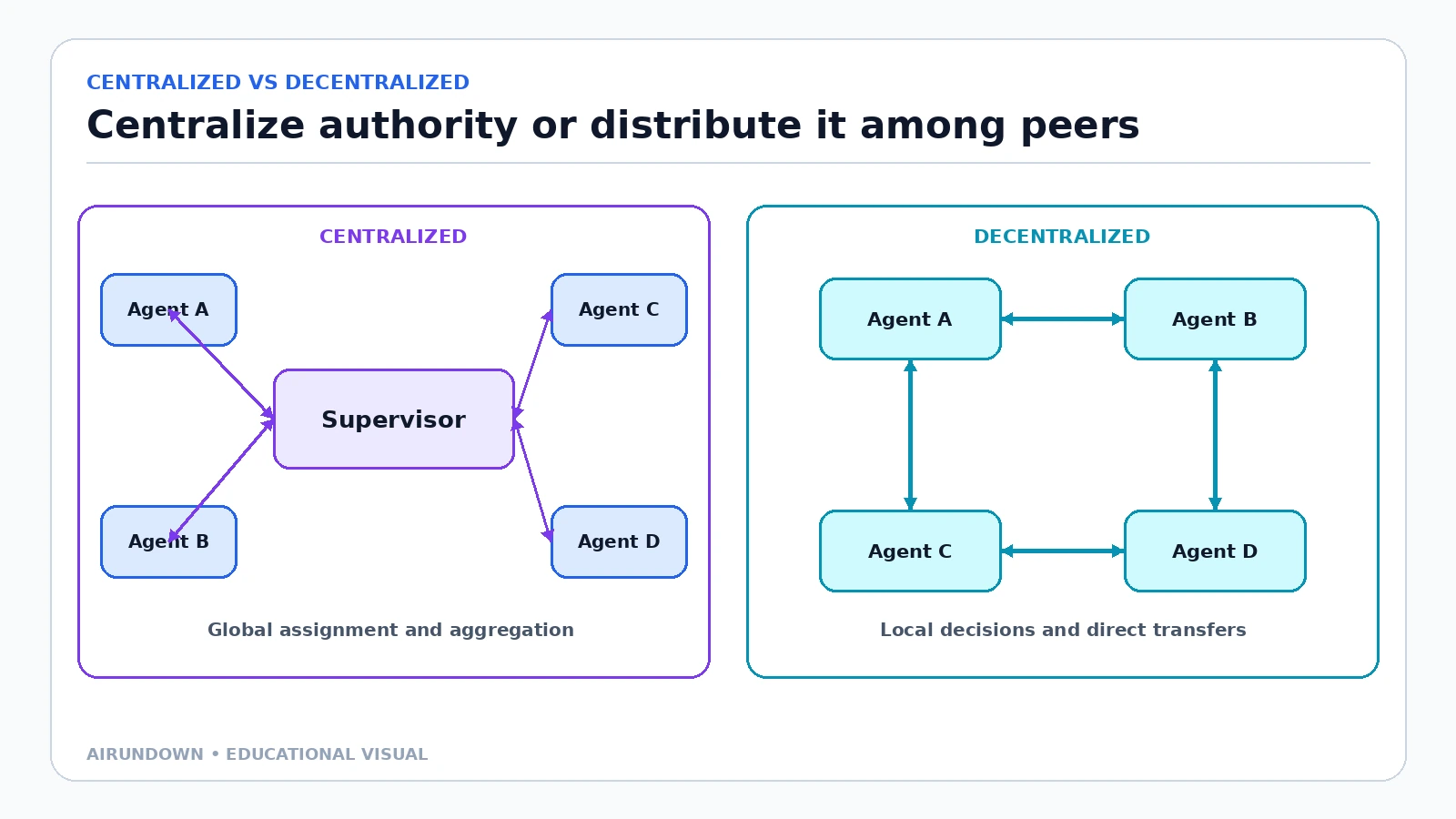
Compare centralized, decentralized, and hybrid multi-agent architectures across control, state, coordination, scale, observability, governance, and resilience.
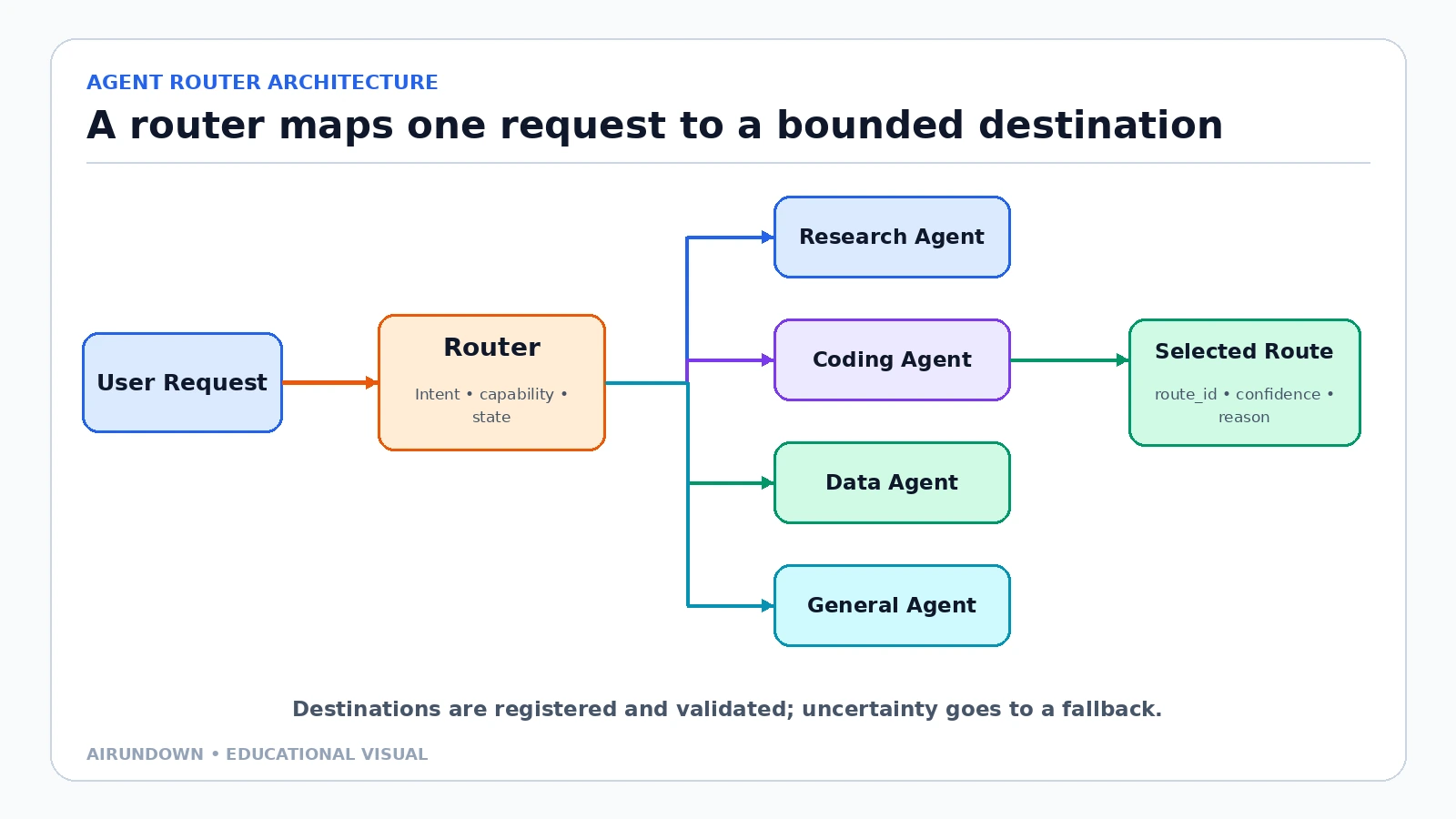
Learn seven agent-routing patterns, from deterministic rules and classifiers to semantic, capability-aware, hierarchical, and fallback routing.
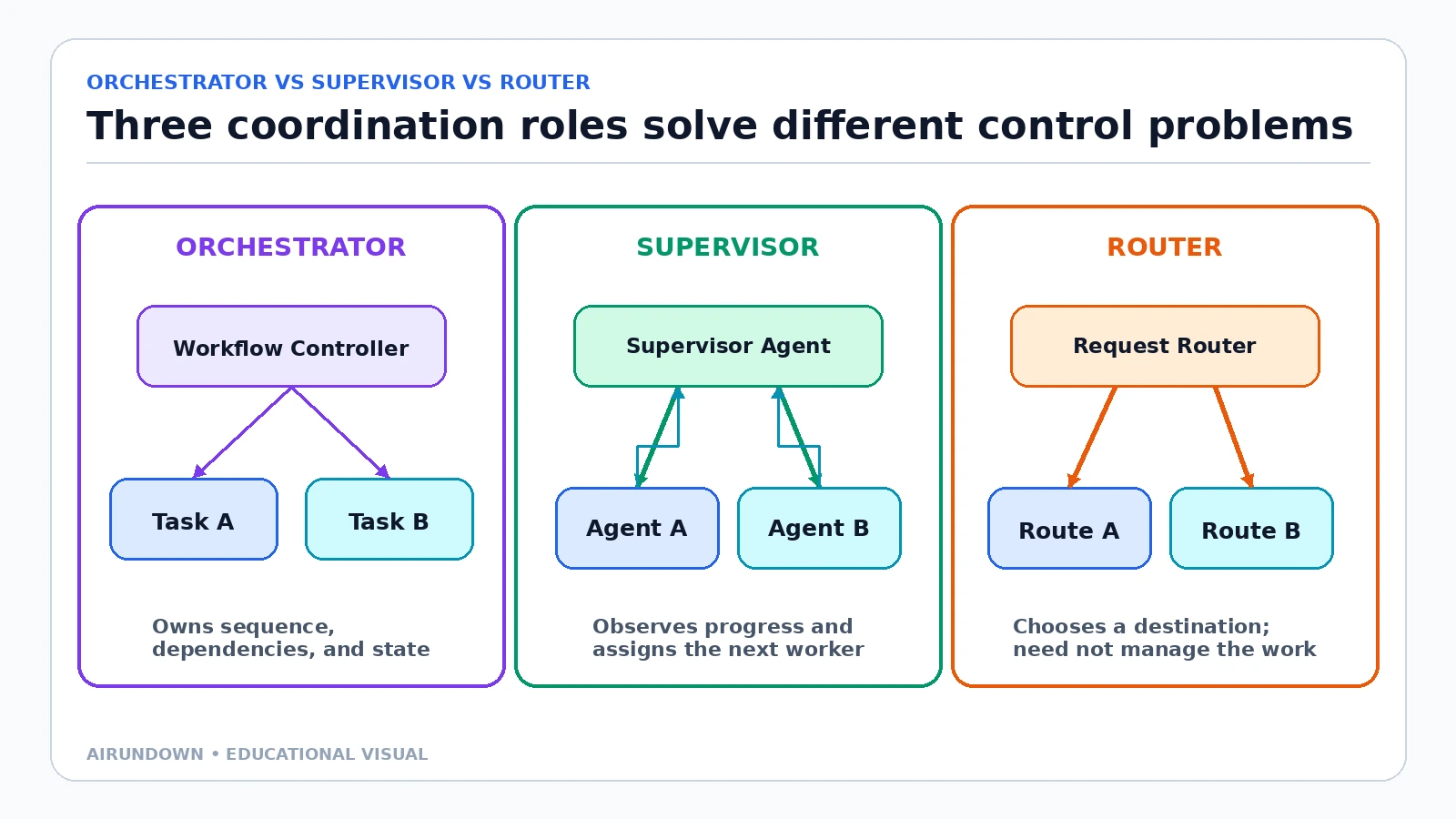
Compare orchestrators, supervisor agents, and routers by purpose, decision ownership, state responsibility, delegation, routing, and workflow control.
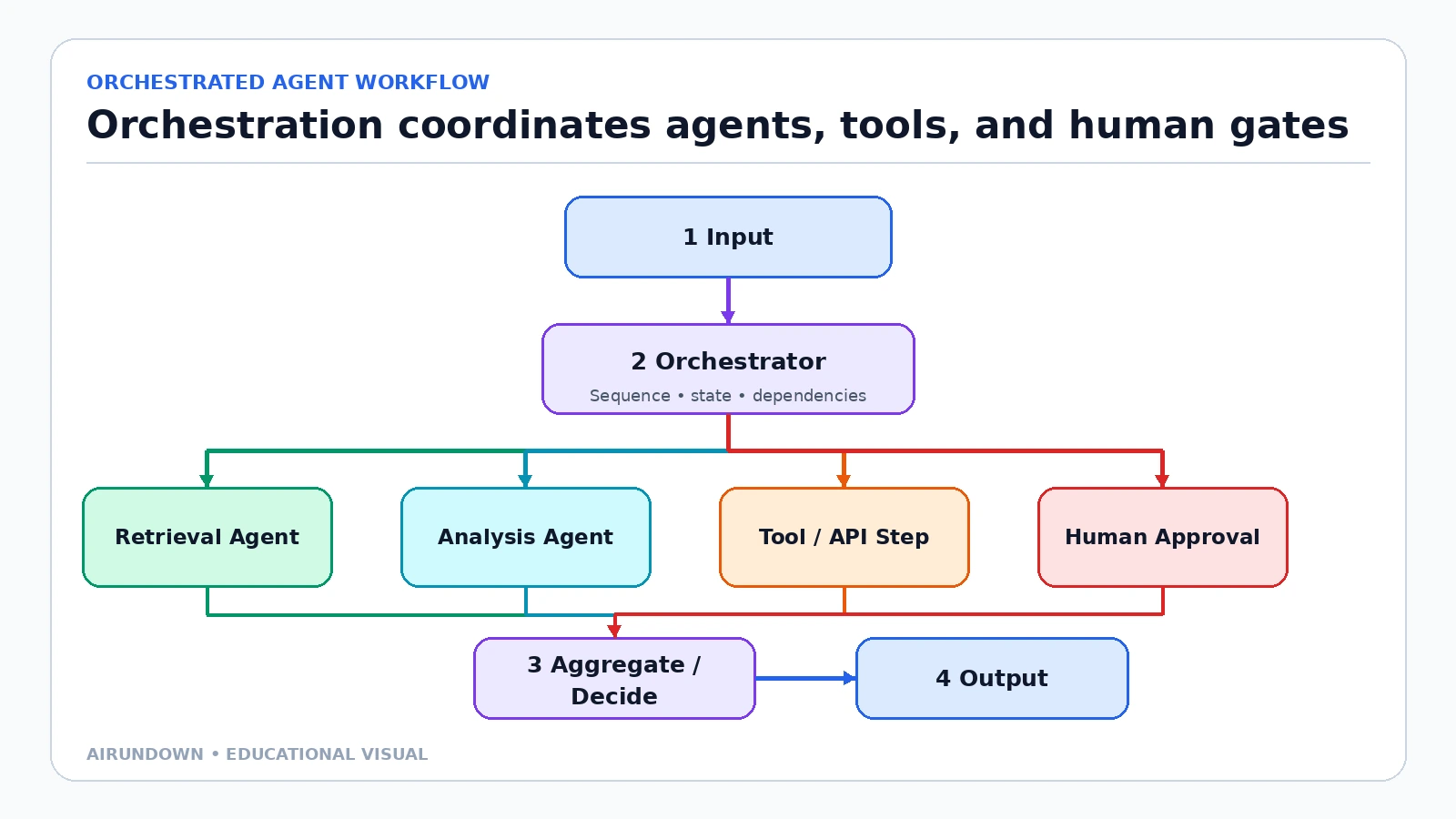
Learn how agent workflows and orchestration coordinate steps, dependencies, branches, parallel work, retries, checkpoints, tools, agents, and humans.
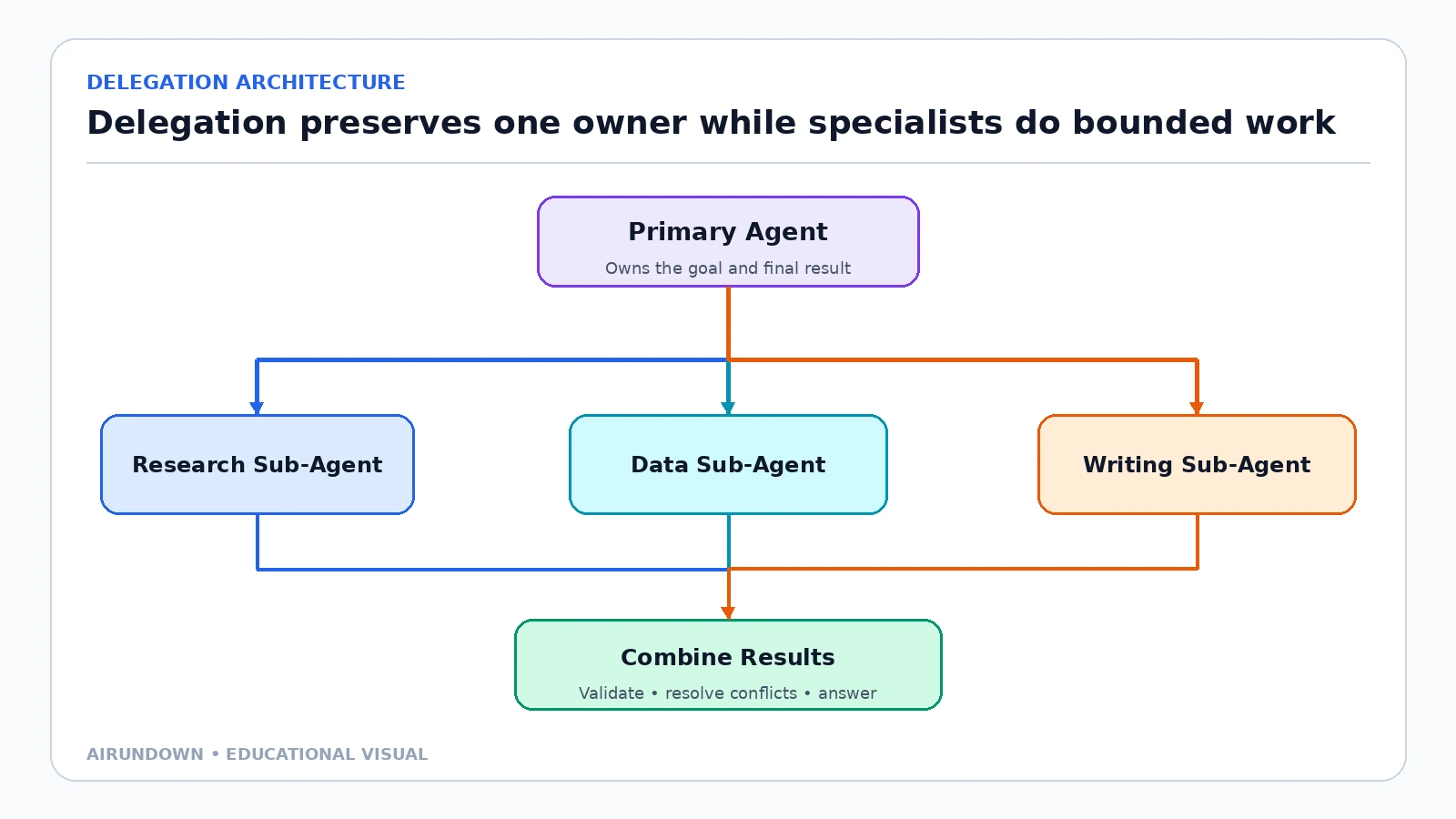
Learn how delegation, handoffs, and sub-agents divide work while preserving task ownership, context, state, permissions, and reliable result contracts.
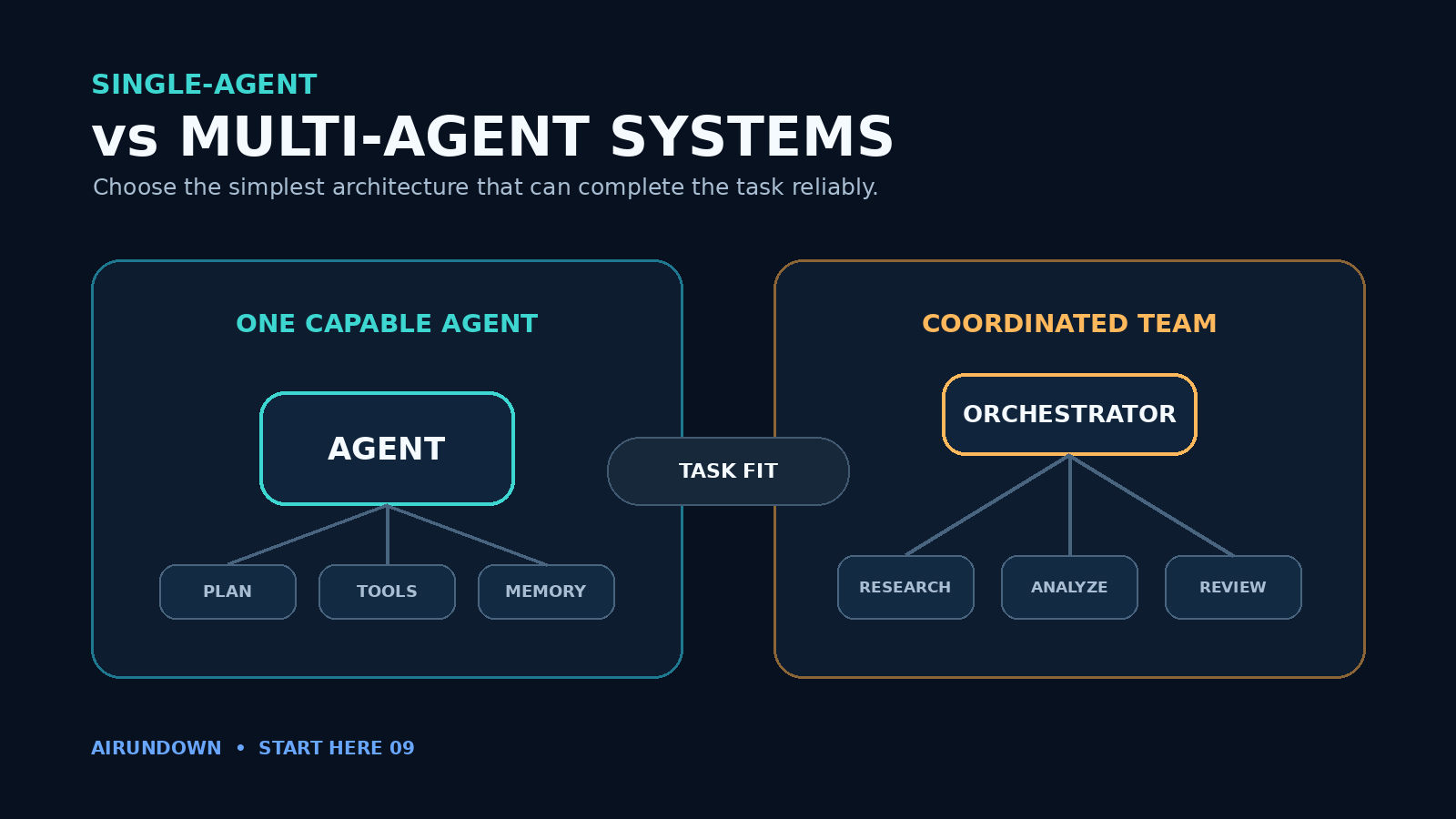
Learn how single-agent and multi-agent systems differ, what extra coordination costs, and how to choose the simplest architecture that works.